 EN
EN

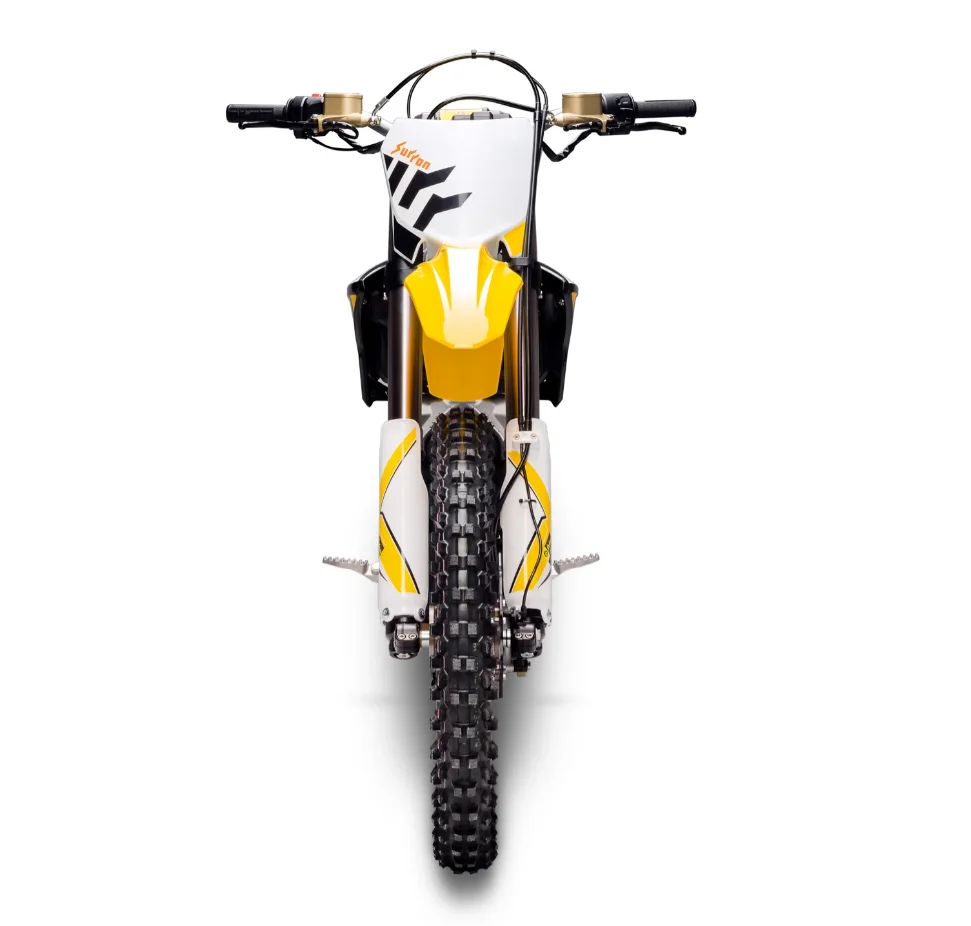
Trail riding enthusiasts are increasingly turning to electric dirt bikes as a sustainable and powerful alternative to traditional gas-powered motorcycles. The shift toward electric propulsion offers numerous advantages including reduced noise pollution, lower maintenance requirements, and instant torque delivery. However, when selecting an electric dirt bike for trail adventures, battery range emerges as the most critical factor that determines the success and enjoyment of your riding experience. Understanding the relationship between battery capacity, terrain demands, and riding style helps riders make informed decisions that maximize their off-road adventures.
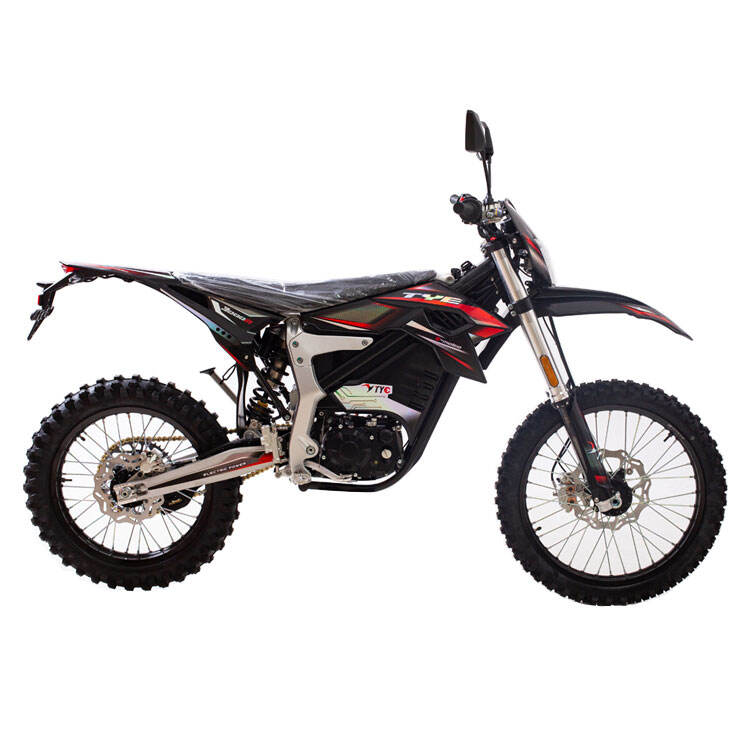
Understanding Battery Range Fundamentals
Defining Real-World Range Expectations
Battery range in electric dirt bikes represents the distance a motorcycle can travel on a single charge under specific conditions. Unlike highway riding where conditions remain relatively consistent, trail riding presents variable terrain that significantly impacts energy consumption. An electric dirt bike may achieve 150 kilometers on flat terrain but only 80 kilometers when navigating steep inclines, rocky paths, and technical sections. Manufacturers typically provide range estimates based on optimal conditions, making it essential for riders to understand how real-world factors affect actual performance.
The complexity of trail riding demands more from battery systems compared to street riding scenarios. Constant acceleration, deceleration, and power adjustments required for navigating obstacles drain battery capacity faster than steady-state riding. Professional riders recommend planning for 60-70% of the manufacturer's stated range when embarking on challenging trail adventures to ensure sufficient power reserves for unexpected situations or extended exploration.
Battery Technology Impact on Performance
Modern electric dirt bikes utilize lithium-ion battery technology that provides superior energy density and longevity compared to older battery chemistries. The voltage and capacity specifications directly influence both power output and range capabilities. Higher voltage systems, such as 72V configurations, deliver increased power for climbing steep trails while maintaining efficient energy consumption across varied terrain. Battery management systems integrated into advanced electric dirt bikes optimize power delivery and protect cells from damage during demanding off-road conditions.
Temperature extremes encountered during trail riding affect battery performance significantly. Cold weather reduces chemical reaction rates within battery cells, decreasing available capacity and range. Conversely, excessive heat generated during aggressive riding can trigger thermal protection systems that limit power output. Quality electric dirt bikes incorporate thermal management features that maintain optimal battery temperatures, ensuring consistent performance throughout extended trail sessions regardless of environmental conditions.
Terrain Demands and Energy Consumption
Analyzing Trail Difficulty Factors
Different trail types impose varying energy demands on electric dirt bike systems, directly impacting achievable range. Technical single-track trails with steep climbs, loose surfaces, and frequent obstacles require constant power adjustments that consume significantly more energy than smooth fire roads. Riders tackling mountain trails with elevation gains exceeding 1000 meters can expect range reductions of 30-50% compared to flat terrain riding. Understanding these consumption patterns helps riders select appropriate battery capacities for their preferred riding environments.
Trail surface conditions play a crucial role in determining energy efficiency and overall range performance. Sandy or muddy conditions increase rolling resistance, forcing the motor to work harder and drain the battery faster. Rocky terrain requires frequent speed adjustments and precise throttle control, leading to inefficient energy usage. Experienced trail riders factor these conditions into their route planning, selecting electric dirt bikes with sufficient range margins to handle unexpected trail challenges without compromising safety or enjoyment.
Elevation Changes and Power Requirements
Climbing steep grades represents the most energy-intensive aspect of trail riding, often consuming 3-5 times more power than level ground riding. An electric dirt bike with adequate power reserves ensures riders can tackle challenging climbs without depleting battery capacity prematurely. High-torque motors paired with substantial battery systems provide the sustained power necessary for extended climbing sections while maintaining reserve capacity for the return journey.
Regenerative braking systems found in advanced electric dirt bikes help recover energy during descents, partially offsetting the energy consumed during climbs. However, the energy recovery efficiency rarely exceeds 15-20% of the climbing energy expenditure. Riders planning multi-day trail adventures or remote exploration must account for cumulative elevation changes when calculating required battery capacity and potential charging opportunities along their intended routes.
Practical Range Planning Strategies
Route Assessment and Power Management
Successful trail riding with electric dirt bikes requires careful route planning that considers battery capacity, terrain difficulty, and available charging infrastructure. Riders should map their intended routes using GPS applications that display elevation profiles and trail difficulty ratings. This information helps estimate energy consumption and identify potential turning points that ensure sufficient battery power for safe return trips. Conservative planning assumes 70% efficiency compared to manufacturer range claims, providing adequate safety margins for unexpected challenges.
Power management techniques significantly extend achievable range on challenging trails. Utilizing eco-mode settings during non-technical sections conserves battery power for demanding climbs and obstacles. Smooth throttle inputs and maintaining steady speeds wherever possible optimize energy efficiency. Advanced riders learn to read terrain ahead, anticipating power requirements and adjusting riding style accordingly. These techniques can improve overall range by 20-30% compared to aggressive riding approaches.
Emergency Preparedness and Backup Plans
Remote trail riding with electric dirt bikes requires comprehensive emergency planning to address potential battery depletion scenarios. Portable charging solutions, including solar panels and backup battery packs, provide options for extending range during multi-day adventures. However, these solutions add weight and complexity to the riding experience. Most experienced electric dirt bike riders prefer selecting motorcycles with sufficient native range to complete their intended routes with comfortable safety margins rather than relying on field charging solutions.
Communication devices and emergency beacons become essential safety equipment when pushing range limits on remote trails. GPS tracking systems allow support teams to locate riders experiencing battery-related difficulties. Establishing predetermined waypoints and check-in procedures ensures help can be summoned if battery capacity proves insufficient for completing planned routes. These safety measures allow riders to explore challenging terrain confidently while maintaining reasonable risk management practices.
Choosing the Right Battery Capacity
Matching Capacity to Riding Style
Selecting appropriate battery capacity requires honest assessment of riding preferences, typical trail distances, and adventure duration expectations. Recreational riders focusing on 2-3 hour trail sessions may find 10-15 kWh battery systems adequate for most scenarios. Serious trail enthusiasts planning all-day adventures or multi-day expeditions should consider electric dirt bikes with 20+ kWh capacities that provide extended range capabilities. The investment in larger battery systems pays dividends through increased flexibility and reduced range anxiety during ambitious trail adventures.
Riding style significantly impacts battery consumption patterns and required capacity specifications. Aggressive riders who frequently utilize full power output and tackle challenging technical sections need substantial battery reserves to maintain performance throughout extended sessions. Conservative riders focusing on exploration and scenery appreciation can achieve excellent range with moderate capacity systems. Understanding personal riding patterns helps optimize the balance between battery weight, cost, and performance requirements for individual trail riding applications.
Future-Proofing Battery Investment
Battery technology continues advancing rapidly, with newer electric dirt bikes offering improved energy density and faster charging capabilities. Riders should consider expansion options and upgrade paths when selecting their initial electric dirt bike to accommodate evolving needs and technological improvements. Modular battery systems allow capacity increases without replacing the entire motorcycle, providing long-term value and adaptability. Some manufacturers offer battery exchange programs that enable riders to upgrade to newer technology as it becomes available.
Charging infrastructure development influences long-term battery capacity requirements as fast-charging stations become more prevalent near popular trail systems. Areas with abundant charging options may reduce the need for maximum battery capacity, allowing riders to select lighter, more agile electric dirt bikes while maintaining excellent range coverage. Conversely, remote riding areas with limited charging infrastructure demand maximum battery capacity to ensure safe and enjoyable trail experiences without external power dependencies.
Maintenance and Longevity Considerations
Battery Care and Performance Optimization
Proper battery maintenance directly impacts both immediate range performance and long-term capacity retention in electric dirt bikes. Lithium-ion batteries perform optimally when maintained between 20-80% charge levels, with occasional full discharge cycles to calibrate battery management systems. Extreme temperature exposure during storage or operation can permanently reduce capacity, making climate-controlled storage essential for maintaining peak performance. Regular maintenance schedules should include battery health assessments and software updates that optimize charging algorithms and power delivery characteristics.
Charging habits significantly influence battery longevity and sustained range performance over time. Slow charging whenever possible reduces thermal stress and extends overall battery lifespan compared to frequent fast-charging sessions. Avoiding complete discharge scenarios prevents deep cycling damage that can permanently reduce capacity. Quality electric dirt bikes incorporate sophisticated battery management systems that monitor cell health and adjust charging parameters automatically, but rider awareness of proper care techniques maximizes long-term investment value.
Range Degradation and Replacement Planning
All battery systems experience gradual capacity degradation over time, typically losing 2-5% capacity annually depending on usage patterns and maintenance quality. Electric dirt bike riders should anticipate this natural degradation when planning long-term ownership and budgeting for eventual battery replacement. Manufacturers typically warranty battery capacity for specific mileage or time periods, but actual longevity depends heavily on individual usage patterns and environmental factors encountered during trail riding adventures.
Monitoring battery health through manufacturer diagnostic systems helps riders understand degradation patterns and plan replacement timing. Many modern electric dirt bikes provide detailed battery analytics through smartphone applications, displaying capacity trends and performance metrics. This data helps riders adjust their riding patterns to maximize battery lifespan while identifying optimal replacement timing that maintains desired range capabilities for their preferred trail riding activities.
FAQ
How does cold weather affect electric dirt bike battery range
Cold weather can reduce electric dirt bike battery range by 20-40% depending on temperature severity and battery technology. Lithium-ion batteries experience decreased chemical reaction rates in cold conditions, reducing available power and capacity. Riders should expect significantly shorter range during winter trail riding and plan routes accordingly. Pre-warming batteries before rides and using insulated battery covers can help minimize cold weather impacts on range performance.
What is the typical charging time for electric dirt bike batteries
Charging times vary significantly based on battery capacity and charger specifications, ranging from 2-8 hours for complete charging cycles. Fast chargers can achieve 80% capacity in 1-2 hours, while standard chargers require 4-6 hours for full charging. Most electric dirt bike riders charge overnight using standard chargers to ensure batteries are fully prepared for trail adventures. Portable charging solutions typically require longer charging times but provide valuable range extension options during multi-day expeditions.
Can electric dirt bike batteries be upgraded or replaced
Many electric dirt bikes offer upgradeable battery systems, allowing riders to increase capacity or replace degraded batteries with newer technology. Modular battery designs facilitate easy replacement and capacity expansion without requiring complete motorcycle replacement. However, compatibility with existing charging systems and motor controllers must be verified before upgrading. Professional installation is typically recommended for battery upgrades to ensure proper integration and warranty compliance.
How accurate are manufacturer range claims for trail riding
Manufacturer range claims typically represent optimal conditions including flat terrain, moderate speeds, and favorable weather. Trail riding generally achieves 60-80% of claimed range due to variable terrain, frequent acceleration, and challenging conditions. Riders should use manufacturer claims as baseline references while planning for reduced range based on their specific trail conditions and riding style. Real-world testing in similar conditions provides the most accurate range expectations for individual riding scenarios.