 EN
EN

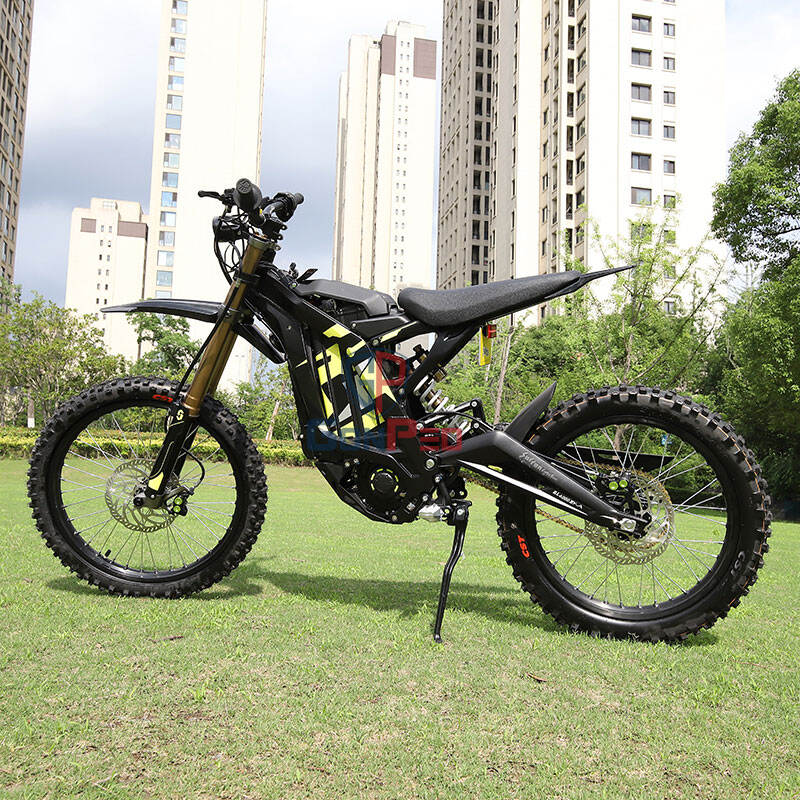
Selecting the right electric dirt bike requires careful consideration of power output, rider experience, and intended terrain. Modern electric dirt bike technology has evolved significantly, offering riders unprecedented control over performance characteristics while maintaining the environmental benefits of electric propulsion. Understanding how to match power output to your specific needs ensures optimal performance, safety, and riding enjoyment across diverse off-road conditions.
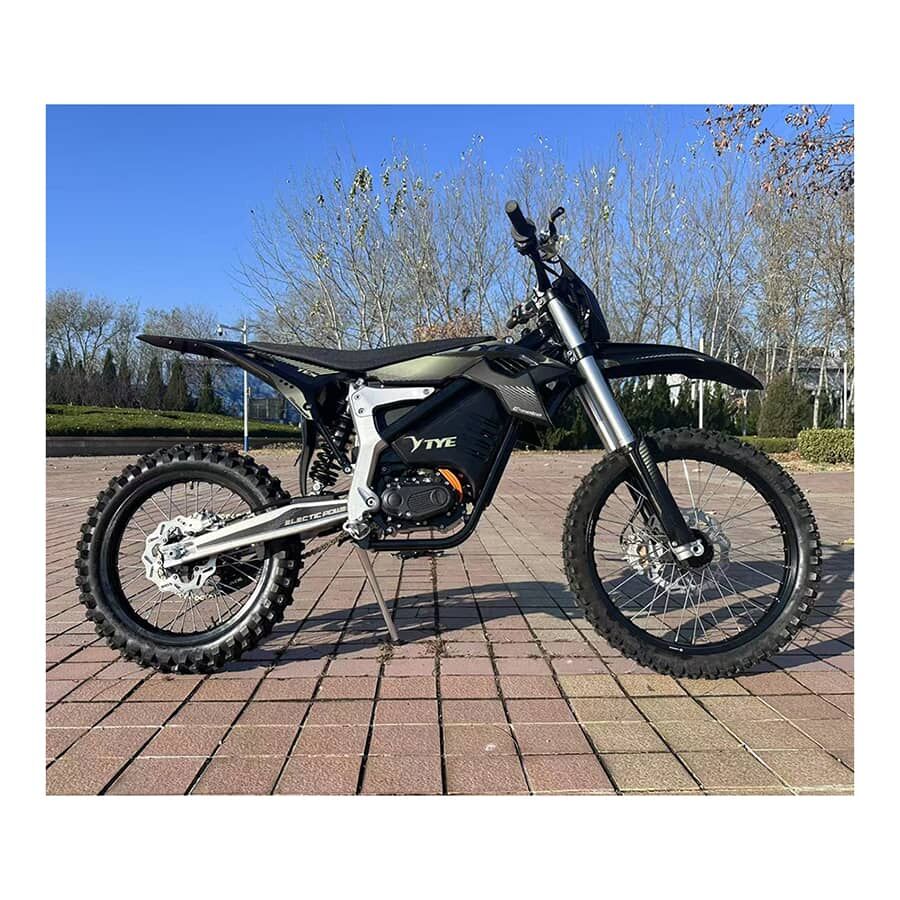
The relationship between power output and rider capability forms the foundation of safe and effective electric dirt bike selection. Unlike traditional combustion engines, electric motors deliver instant torque and precise power modulation, creating unique opportunities for skill development while requiring different approaches to power management. Proper power matching prevents overwhelming novice riders while ensuring experienced operators have sufficient capability for challenging terrain navigation.
Understanding Electric Dirt Bike Power Systems
Motor Configuration and Output Characteristics
Electric dirt bike motors operate fundamentally differently from internal combustion engines, delivering consistent power across the entire RPM range. Most modern electric dirt bike systems utilize brushless DC motors ranging from 3kW to 25kW, with higher-end models featuring sophisticated power delivery mapping. These systems provide immediate throttle response without the lag associated with traditional engines, requiring riders to develop new muscle memory for power application.
Peak power output represents only one aspect of electric dirt bike performance characteristics. Continuous power rating often differs significantly from peak output, affecting sustained performance during extended riding sessions. Understanding these distinctions helps riders select appropriate electric dirt bike specifications for their intended use patterns and performance expectations.
Battery Capacity and Performance Integration
Battery systems directly influence power delivery characteristics and overall electric dirt bike performance envelope. Higher voltage systems typically provide better power efficiency and extended range, while battery chemistry affects discharge characteristics and longevity. Lithium-ion batteries dominate modern electric dirt bike applications, offering optimal power-to-weight ratios and consistent performance across temperature ranges.
Power management systems integrate battery capacity with motor output to optimize performance and protect system components. Advanced electric dirt bike models feature regenerative braking and multiple power modes, allowing riders to customize performance characteristics based on terrain requirements and skill development needs.
Skill Level Assessment and Power Requirements
Beginner Rider Considerations
New electric dirt bike riders benefit from lower power outputs that allow gradual skill development without overwhelming acceleration characteristics. Motors in the 3-8kW range provide sufficient performance for trail riding while maintaining manageable power delivery. Beginner-focused electric dirt bike models often include training modes that limit peak output and modify throttle response curves.
Progressive power unlocking systems help novice riders advance their skills systematically. These electric dirt bike features allow gradual access to full power as rider confidence and technique improve. Electronic stability systems and traction control further enhance safety margins for developing riders across various terrain conditions.
Intermediate and Advanced Power Scaling
Intermediate riders typically require 8-15kW power outputs to tackle more challenging terrain while developing advanced riding techniques. This power range provides sufficient capability for moderate hill climbing, jump approaches, and technical trail navigation. Intermediate electric dirt bike selections should emphasize adjustable power modes and responsive throttle characteristics.
Advanced riders often demand maximum power availability, with high-performance electric dirt bike models featuring 20-25kW or higher outputs. These systems enable aggressive acceleration, steep terrain climbing, and competitive performance applications. Advanced riders require precise power modulation and customizable delivery characteristics to match their refined technique and demanding applications.
Terrain-Specific Power Matching
Trail Riding and Light Off-Road Applications
Recreational trail riding typically requires moderate power outputs focused on efficiency and range rather than peak performance. Electric dirt bike systems in the 5-12kW range provide excellent trail performance while maximizing ride duration. These applications benefit from smooth power delivery and extended battery capacity rather than maximum acceleration capability.
Trail-oriented electric dirt bike configurations emphasize torque characteristics optimized for steady-state cruising and moderate hill climbing. Gear ratios and motor mapping prioritize efficiency over peak power, extending range and reducing system stress during extended riding sessions. Regenerative braking systems prove particularly valuable for trail applications, providing additional range and reducing brake wear.
Technical Terrain and Aggressive Riding
Technical terrain navigation requires higher power outputs and precise throttle control for obstacle negotiation and recovery situations. Electric dirt bike systems with 15kW or higher outputs provide necessary capability for steep climbs, rock crawling, and challenging trail sections. Instant torque delivery proves advantageous for technical riding, enabling precise wheel placement and momentum management.
Aggressive riding applications demand maximum electric dirt bike performance capability, including peak power outputs and sustained high-performance operation. These requirements typically necessitate advanced cooling systems, high-capacity batteries, and robust drivetrain components. Competition-oriented electric dirt bike models often feature specialized power mapping and adjustable characteristics for specific track conditions.
Power Mode Selection and Customization
Electronic Power Management Systems
Modern electric dirt bike systems incorporate sophisticated power management enabling real-time performance customization. Multiple riding modes allow instant adjustment of power delivery characteristics, throttle response, and maximum output limits. These systems accommodate varying skill levels and terrain requirements within a single electric dirt bike platform.
Programmable power curves enable fine-tuning of electric dirt bike performance characteristics for specific applications or rider preferences. Advanced systems allow custom mapping of throttle response, regenerative braking intensity, and traction control parameters. These customization options maximize the versatility of electric dirt bike systems across diverse riding scenarios.
Adaptive Performance Technologies
Emerging electric dirt bike technologies include adaptive performance systems that automatically adjust power delivery based on terrain conditions and rider inputs. These systems utilize sensors and machine learning algorithms to optimize performance in real-time. Traction control systems prevent wheel spin and maintain control during challenging conditions.
Smart power management systems monitor battery state, motor temperature, and rider behavior to optimize performance and component longevity. These electric dirt bike features provide warnings for system limits and automatically adjust parameters to prevent damage or unsafe conditions. Integration with mobile applications enables remote monitoring and performance analysis.
Safety Considerations and Power Limitations
Progressive Power Introduction
Safe electric dirt bike operation requires gradual introduction to full power capabilities, regardless of rider experience with traditional motorcycles. Electric motor characteristics differ significantly from combustion engines, requiring adaptation of riding techniques and power application strategies. Structured skill development programs help riders safely explore electric dirt bike capabilities.
Power limiting systems provide essential safety margins for developing riders and challenging conditions. Electronic speed limiters, reduced power modes, and parental controls enable safe electric dirt bike operation across skill levels. These features prevent dangerous situations while allowing progressive skill development.
Environmental and Operational Safety
Electric dirt bike systems require specific safety considerations related to high-voltage electrical systems and battery management. Proper charging procedures, storage protocols, and maintenance practices ensure safe operation and component longevity. Water resistance ratings and environmental protection measures enable safe electric dirt bike operation in adverse conditions.
Emergency procedures for electric dirt bike systems differ from traditional motorcycles, requiring specific training and preparation. Understanding electrical system isolation, battery disconnect procedures, and emergency response protocols ensures rider and bystander safety. Regular maintenance and inspection schedules prevent system failures and maintain optimal safety margins.
Future Technology and Power Development
Emerging Electric Dirt Bike Technologies
Advancing battery technology continues to improve electric dirt bike power density and performance capabilities. Solid-state batteries promise increased energy density and faster charging while maintaining safety and longevity characteristics. These developments will enable higher-performance electric dirt bike systems with extended range and reduced weight.
Motor efficiency improvements and advanced materials reduce power system weight while increasing output capability. Direct-drive systems eliminate mechanical complexity while providing precise control and reduced maintenance requirements. These innovations enhance electric dirt bike reliability and performance across demanding applications.
Integration with Smart Technologies
Connected electric dirt bike systems enable remote monitoring, performance optimization, and predictive maintenance capabilities. Cloud-based analytics provide insights into riding patterns, system performance, and optimization opportunities. These technologies enhance the electric dirt bike ownership experience while improving safety and performance.
Artificial intelligence integration promises automatic power optimization based on terrain conditions, rider skill, and performance objectives. Machine learning algorithms analyze riding data to provide personalized recommendations and system adjustments. These advances will make electric dirt bike systems more accessible and optimized for individual users.
FAQ
What power output should I choose for my first electric dirt bike?
Beginner riders should start with electric dirt bike systems in the 3-8kW range, which provide sufficient performance for learning while maintaining manageable power characteristics. Look for models with adjustable power modes and training features that allow gradual progression as skills develop.
How does electric dirt bike power delivery differ from gas engines?
Electric dirt bike motors provide instant torque and consistent power across the entire RPM range, unlike gas engines that build power gradually. This immediate response requires different throttle techniques and offers advantages in technical terrain but may feel overwhelming initially for riders transitioning from traditional motorcycles.
Can I upgrade my electric dirt bike power output later?
Most electric dirt bike systems have fixed motor and battery specifications that cannot be easily upgraded. However, many models offer software updates and power mapping adjustments that can optimize performance within existing hardware limitations. Consider future needs when making initial electric dirt bike selections.
What terrain requires the highest electric dirt bike power output?
Steep hill climbing, sand riding, and competitive applications typically require the highest electric dirt bike power outputs, often 20kW or more. Technical rock crawling and aggressive trail riding also benefit from high power availability, though precise control matters more than absolute output in many situations.