 EN
EN

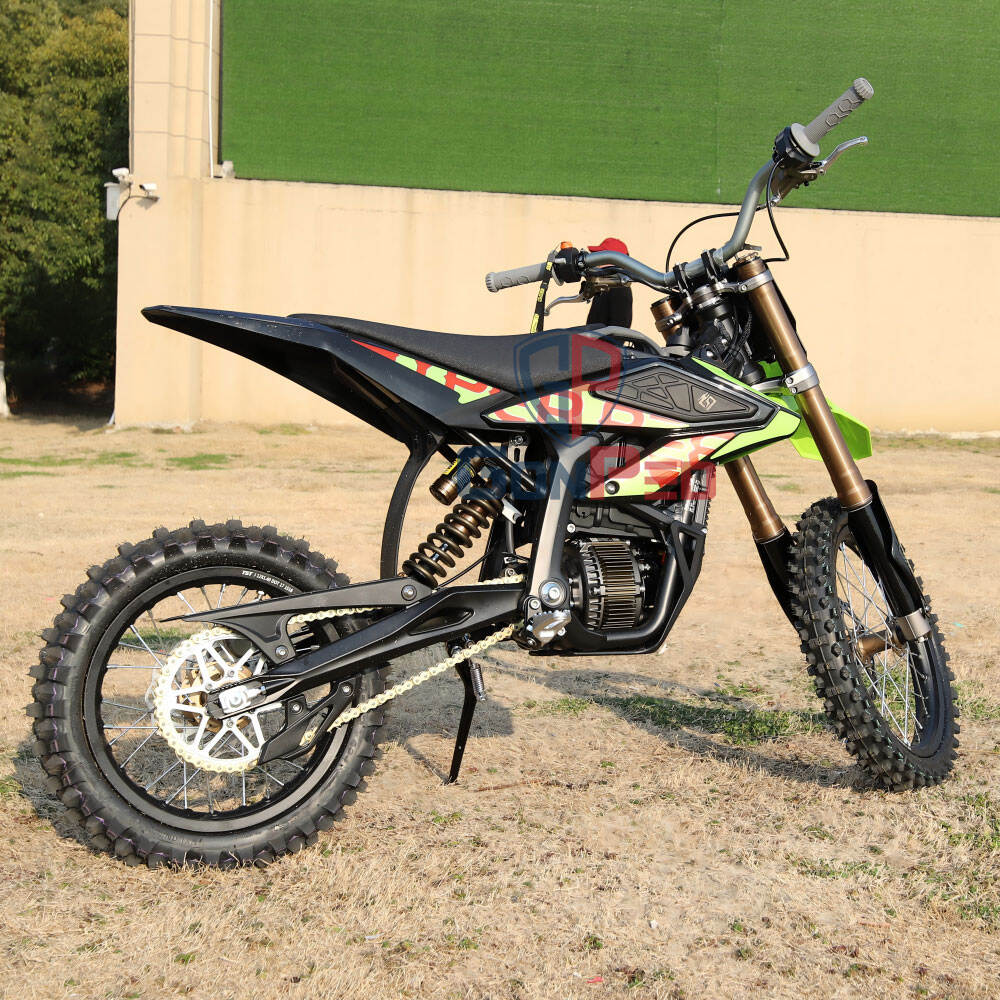
Modern electric dirt bike technology has revolutionized off-road adventures, but the longevity of your battery depends entirely on how you charge and maintain it. Understanding proper charging techniques can significantly extend your electric dirt bike's battery lifespan, saving you hundreds of dollars in replacement costs while ensuring consistent performance on every trail. Battery degradation is one of the most common issues faced by electric dirt bike enthusiasts, yet it's entirely preventable with the right knowledge and habits.
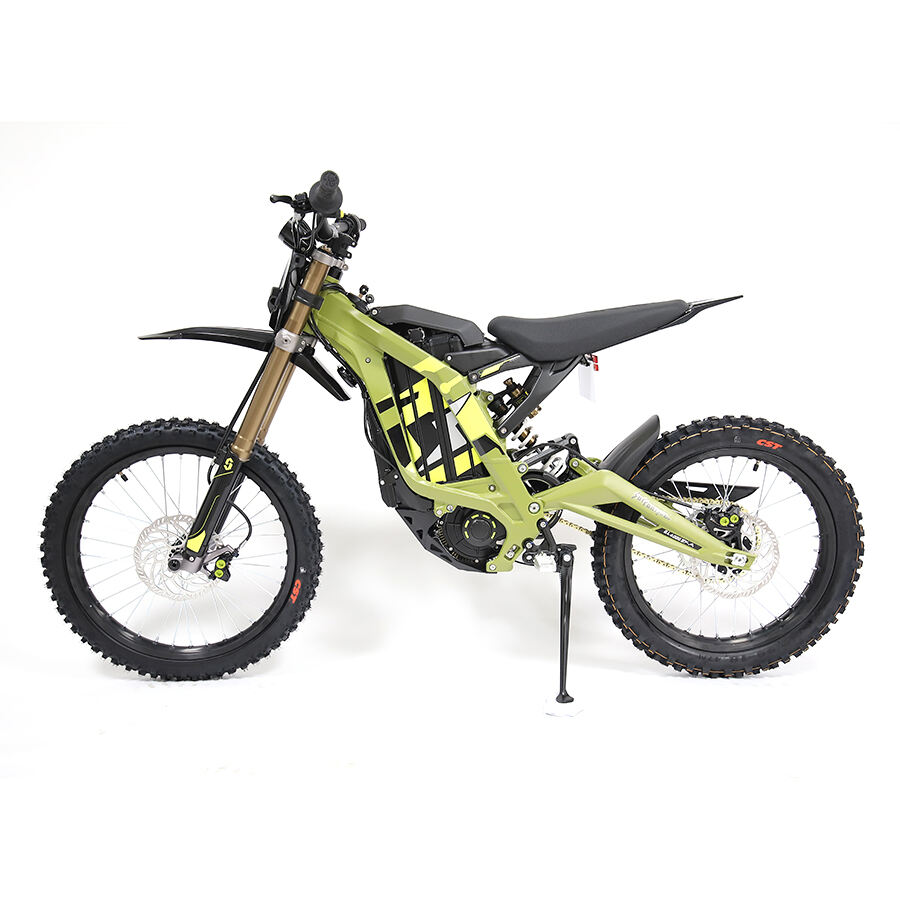
The battery system in your electric dirt bike represents the heart of your machine's performance capabilities. Lithium-ion batteries, commonly used in high-performance electric dirt bikes, can last anywhere from 500 to 1500 charge cycles depending on how they're treated. Poor charging habits can reduce this lifespan by up to 50%, while optimal practices can extend it well beyond manufacturer expectations. Every charging session either contributes to or detracts from your battery's long-term health, making it crucial to understand the science behind proper battery management.
Understanding Electric Dirt Bike Battery Chemistry
Lithium-Ion Technology in Modern Electric Bikes
Most contemporary electric dirt bike models utilize lithium-ion battery technology due to its superior energy density and power output characteristics. These batteries consist of multiple cells working together to deliver the voltage and amperage required for high-performance riding. The chemical processes within lithium-ion cells are sensitive to temperature, charging rates, and voltage levels, which directly impact their longevity. Understanding these fundamentals helps riders make informed decisions about charging practices that preserve battery integrity over time.
The electrochemical reactions that occur during charging and discharging create microscopic changes within the battery structure. When charged improperly, these reactions can lead to lithium plating, electrolyte decomposition, and other degradation mechanisms that permanently reduce capacity. Professional-grade electric dirt bike batteries are designed with built-in protection circuits, but these systems work best when supported by proper user charging habits. The molecular structure of lithium-ion batteries benefits from gentle, consistent charging patterns rather than aggressive fast-charging sessions.
Battery Management Systems and Their Role
Advanced electric dirt bike models incorporate sophisticated Battery Management Systems that monitor individual cell voltages, temperatures, and current flow during charging. These systems automatically balance cells, prevent overcharging, and shut down charging when dangerous conditions are detected. However, the BMS can only protect against extreme conditions and cannot compensate for consistently poor charging habits. Riders must work in partnership with their BMS to achieve optimal battery longevity through proper charging protocols.
The BMS also provides valuable diagnostic information that can help riders understand their battery's health status. Many modern electric dirt bike systems display real-time battery information, including individual cell voltages, charging rates, and temperature readings. Learning to interpret this data allows riders to make informed decisions about when to charge, how long to charge, and when to seek professional battery maintenance. This information becomes particularly valuable for riders who frequently push their electric dirt bike to its performance limits.
Optimal Charging Temperature Conditions
Temperature Ranges for Safe Charging
Battery temperature plays a critical role in charging efficiency and long-term health for any electric dirt bike system. Lithium-ion batteries perform best when charged within a temperature range of 32°F to 95°F (0°C to 35°C), with optimal charging occurring between 60°F to 80°F (15°C to 27°C). Charging outside these ranges can cause permanent damage, reduced capacity, and safety hazards. Cold temperatures slow chemical reactions and can lead to lithium plating, while excessive heat accelerates degradation and increases fire risk.
Many riders make the mistake of immediately plugging in their electric dirt bike after an intense riding session when the battery is still hot from use. This practice can significantly reduce battery lifespan and potentially trigger safety shutdowns. Always allow your battery to cool to ambient temperature before initiating charging, especially after aggressive riding or racing applications. Installing a battery temperature monitoring system can provide real-time feedback about when it's safe to begin charging your electric dirt bike.
Environmental Charging Considerations
The charging environment significantly impacts battery longevity and safety for electric dirt bike owners. Charging should always occur in well-ventilated areas away from direct sunlight, heating sources, and flammable materials. Garages, covered patios, and dedicated charging stations provide ideal conditions for maintaining optimal battery health. Avoid charging in extremely humid conditions, as moisture can interfere with electrical connections and potentially cause corrosion over time.
Seasonal considerations also affect charging strategies for electric dirt bike batteries. Winter storage requires different protocols than summer charging, with temperature compensation being crucial for maintaining battery health. Many professional riders use heated garages or battery warmers during cold months to maintain optimal charging temperatures. Similarly, summer charging may require active cooling or shaded areas to prevent overheating during extended charging sessions.
Charge Cycle Management Strategies
Partial Charging Versus Full Cycles
Contrary to older battery technologies, lithium-ion batteries in modern electric dirt bike systems prefer partial charging cycles over complete discharge and recharge cycles. Keeping your battery between 20% and 80% charge levels significantly extends its lifespan compared to regularly cycling from empty to full. This practice reduces stress on the battery cells and minimizes the chemical reactions that cause long-term degradation. Professional electric dirt bike mechanics recommend avoiding both complete discharge and constant 100% charging for optimal battery health.
The concept of charge depth directly correlates with battery longevity in electric dirt bike applications. Shallow discharge cycles (using only 20-30% of battery capacity) can extend battery life to over 2000 cycles, while deep discharge cycles (using 80-90% of capacity) may limit lifespan to 500-800 cycles. For recreational riders, this means planning rides to avoid completely draining the battery and charging more frequently with smaller charge amounts rather than waiting for near-complete discharge.
Strategic Charging Scheduling
Developing a consistent charging schedule helps maintain optimal battery health for electric dirt bike systems. Rather than charging immediately after every ride, consider your upcoming riding plans and charge accordingly. For daily riders, maintaining a charge level between 40-60% when not in use provides the best balance between readiness and battery preservation. Weekend riders might charge to 80% on Friday evening and avoid topping off until the next riding session approaches.
Long-term storage protocols differ significantly from regular charging schedules for electric dirt bike batteries. When storing your bike for extended periods, maintain approximately 50% charge and check levels monthly. This practice prevents both deep discharge and overcharge conditions that can occur during extended storage. Many advanced electric dirt bike models include storage modes that automatically maintain optimal charge levels during inactive periods.
Charging Rate Optimization
Fast Charging Versus Slow Charging Benefits
The charging rate significantly impacts battery longevity in electric dirt bike applications, with slower charging generally providing better long-term results. Standard charging rates (typically 0.5C to 1C) generate less heat and stress compared to fast charging options (2C or higher). While fast charging offers convenience for riders with tight schedules, regular use can reduce battery lifespan by 20-30% compared to slower charging methods. The optimal approach involves using fast charging sparingly for emergency situations while relying on standard charging for routine maintenance.
Heat generation during charging directly correlates with charging rate, making slower charging inherently safer and more beneficial for battery health. Many electric dirt bike manufacturers recommend overnight charging using standard-rate chargers for daily use, reserving fast charging capabilities for race day or emergency situations. This approach maximizes battery lifespan while ensuring your electric dirt bike remains ready for immediate use when needed.
Charger Selection and Compatibility
Using manufacturer-approved chargers ensures optimal charging profiles specifically designed for your electric dirt bike's battery system. Generic or aftermarket chargers may not provide proper voltage regulation, temperature compensation, or charging algorithms required for maximum battery longevity. Quality chargers incorporate multiple safety features including over-voltage protection, temperature monitoring, and automatic charge termination that work in concert with your bike's BMS.
Smart charger technology has revolutionized electric dirt bike battery maintenance by providing adaptive charging algorithms that adjust based on battery condition, temperature, and age. These advanced systems can extend battery lifespan by up to 40% compared to basic chargers through optimized charging curves and preventive maintenance protocols. Investment in quality charging equipment pays dividends through extended battery life and improved performance consistency.
Storage and Maintenance Protocols
Long-Term Storage Best Practices
Proper storage protocols are essential for maintaining electric dirt bike battery health during inactive periods. Before storage, charge the battery to approximately 50-60% capacity and disconnect it from the bike's electrical system. Store batteries in temperature-controlled environments between 32°F and 77°F (0°C and 25°C) to minimize self-discharge and chemical degradation. Check charge levels monthly and recharge if levels drop below 40% to prevent deep discharge damage.
Storage location significantly impacts battery longevity for electric dirt bike systems. Avoid areas with extreme temperature fluctuations, high humidity, or potential exposure to moisture. Basements, climate-controlled garages, and dedicated storage facilities provide ideal conditions for long-term battery preservation. Remove batteries from the electric dirt bike completely for extended storage periods to eliminate parasitic drain from onboard systems and reduce fire risk.
Regular Maintenance Inspection Routines
Establishing regular inspection routines helps identify potential battery issues before they become major problems in electric dirt bike systems. Monthly visual inspections should include checking for physical damage, corrosion, loose connections, and proper ventilation around battery compartments. Document charging times, range performance, and any unusual behaviors to track battery health trends over time. Early detection of degradation allows for preventive measures that can extend battery lifespan significantly.
Professional battery diagnostics should be performed annually or after every 200 charge cycles for high-performance electric dirt bike applications. These comprehensive evaluations include capacity testing, internal resistance measurements, and individual cell analysis that reveal battery health status beyond basic voltage readings. Professional diagnostics can identify weak cells, balance issues, and degradation patterns that may not be apparent during normal operation.
Troubleshooting Common Charging Issues
Identifying Charging Problems Early
Recognizing early warning signs of charging problems can prevent catastrophic battery failure in electric dirt bike systems. Symptoms include extended charging times, reduced range per charge, unusual heat generation during charging, and inconsistent power delivery during rides. These indicators often appear gradually, making regular performance monitoring essential for early detection. Addressing minor issues promptly prevents progression to more serious problems that may require complete battery replacement.
Charging error codes and warning messages provide valuable diagnostic information for electric dirt bike troubleshooting. Understanding common error codes helps riders determine whether issues stem from charger problems, battery degradation, or environmental factors. Maintaining charging logs that document error occurrences, charging times, and environmental conditions creates valuable data for professional technicians when repairs become necessary.
Professional Service and Repair Options
When charging issues exceed basic troubleshooting capabilities, professional service becomes essential for electric dirt bike battery systems. Qualified technicians possess specialized equipment for cell balancing, capacity restoration, and safety testing that cannot be performed with standard tools. Professional service can often restore 80-90% of original capacity in batteries showing signs of degradation, providing cost-effective alternatives to complete replacement.
Warranty considerations play important roles in repair decisions for electric dirt bike batteries. Many manufacturers void warranties when non-approved repair methods are attempted, making professional service the safest option for valuable battery systems. Professional repair services also provide detailed diagnostic reports that help riders understand failure causes and implement preventive measures to avoid future problems with their electric dirt bike battery systems.
FAQ
How often should I charge my electric dirt bike battery
The optimal charging frequency for your electric dirt bike depends on usage patterns and storage conditions. For regular riders, charging after each ride when the battery drops to 20-30% capacity provides the best balance between convenience and battery health. Avoid letting the battery discharge completely, and don't feel compelled to charge to 100% for every ride. If you ride several times per week, consider charging to 80% for daily use and only charging to 100% before longer adventures that require maximum range.
Can I leave my electric dirt bike battery charging overnight
Modern electric dirt bike batteries with proper Battery Management Systems are designed to handle overnight charging safely. Quality chargers automatically stop charging when the battery reaches full capacity and switch to maintenance mode to prevent overcharging. However, always use manufacturer-approved chargers and ensure proper ventilation around the charging area. For optimal battery longevity, consider using a smart charger with timer functions to stop charging at 80% capacity for regular use, reserving 100% charges for when maximum range is needed.
What temperature is too cold for charging an electric dirt bike battery
Charging lithium-ion batteries below 32°F (0°C) can cause permanent damage through lithium plating and reduced capacity. Most electric dirt bike batteries should not be charged when temperatures drop below freezing. If you must charge in cold conditions, bring the battery to room temperature first or use a battery warmer designed for electric vehicle applications. Some advanced systems include cold-weather charging protocols that reduce charging rates in low temperatures, but it's always safer to wait for warmer conditions when possible.
How do I know when my electric dirt bike battery needs replacement
Several indicators suggest that your electric dirt bike battery may need replacement. Significant range reduction (more than 30% loss compared to new), extended charging times, inability to hold charge overnight, or frequent charging errors all indicate battery degradation. Physical signs include swelling, corrosion, or damage to the battery case. Professional capacity testing can provide definitive answers about battery health, typically recommending replacement when capacity drops below 70% of original specifications. Regular performance monitoring helps identify degradation trends before complete failure occurs.