 EN
EN

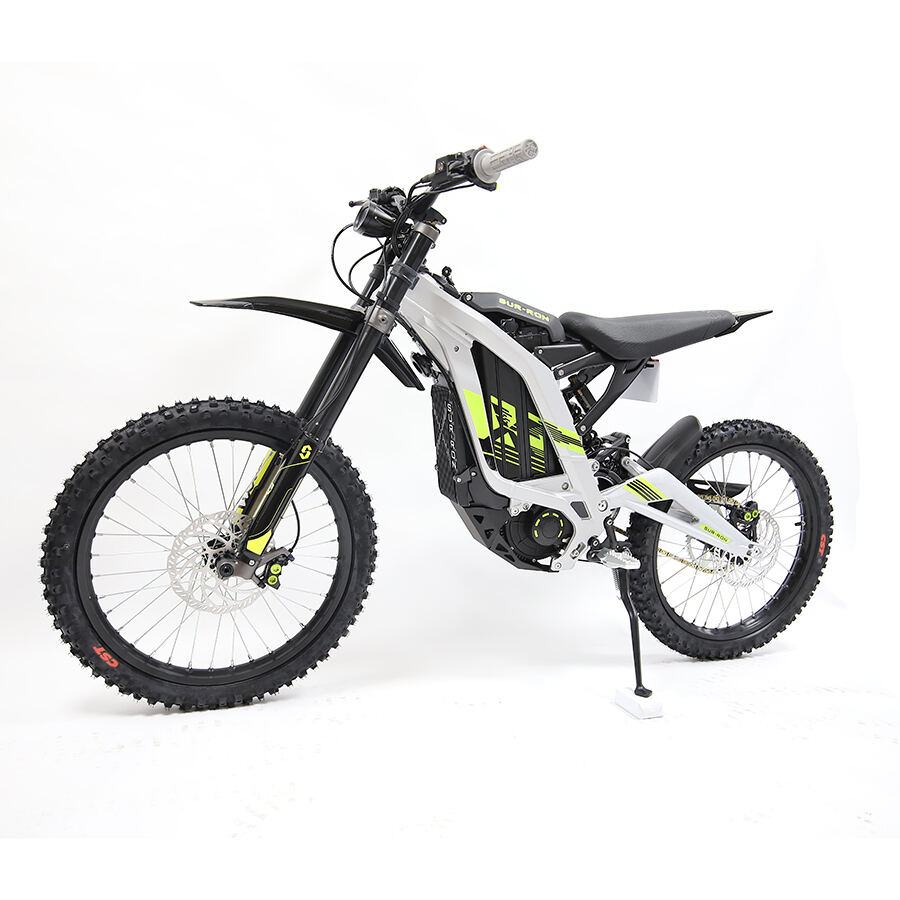
Trail access for off-road enthusiasts has become increasingly complex in recent years, with land management regulations tightening and noise complaints escalating across public and private riding areas. Traditional gas-powered dirt bikes face mounting restrictions due to their environmental impact, sound emissions, and the growing concern over sustainable recreation. Investing in a Surron electric dirt bike represents a strategic decision for riders who value consistent trail access and want to future-proof their off-road capabilities. This shift toward electric propulsion addresses the core issues that have led to trail closures and access limitations, positioning riders to maintain their connection to the sport for years ahead.
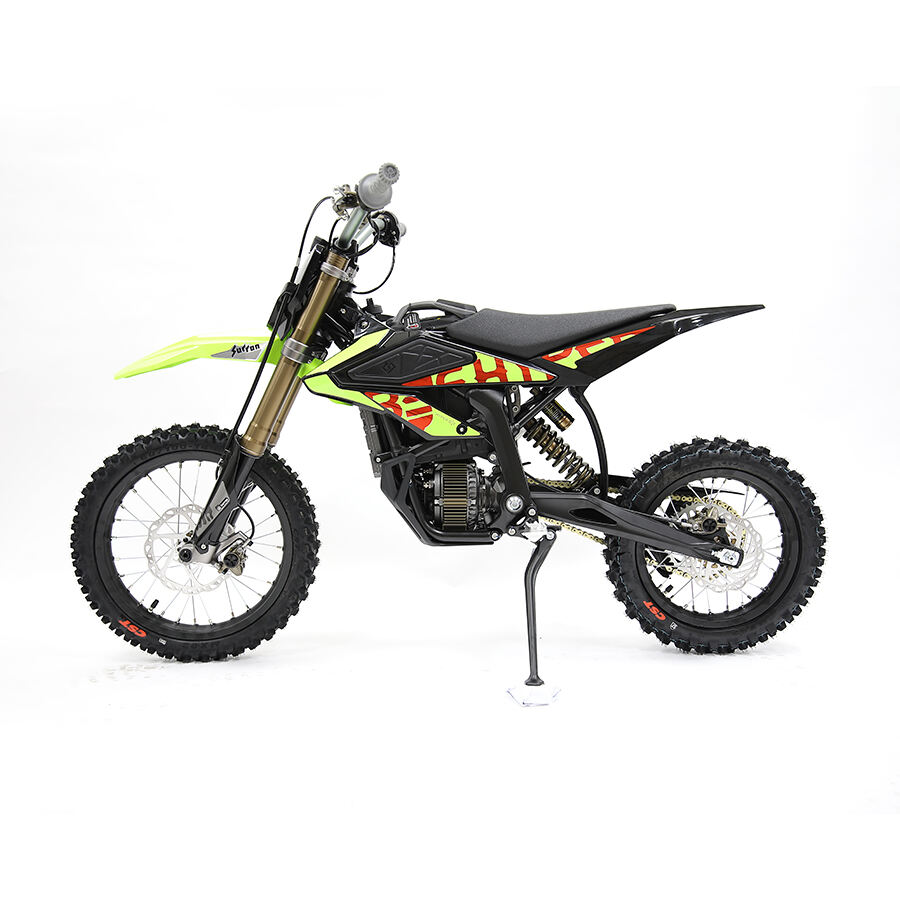
The question of why to invest specifically in the Surron electric dirt bike for sustained trail access goes beyond simple environmental compliance. It addresses the fundamental relationship between technology adoption, regulatory acceptance, and community relations that determine whether riding areas remain open or shut down. As land managers and conservation groups increasingly favor low-impact recreation, electric motorcycles have emerged as a viable solution that balances performance demands with environmental stewardship. The Surron platform stands out within this emerging category by offering genuine off-road capability without the traditional drawbacks that have made dirt bikes controversial in many jurisdictions.
Regulatory Environment and Access Preservation
Evolving Trail Access Policies Nationwide
Land management agencies at federal, state, and local levels have implemented progressively stricter policies regarding motorized recreation over the past decade. The Bureau of Land Management, Forest Service, and numerous state park systems have expanded designated quiet zones and restricted internal combustion vehicles on specific trail networks. These policy shifts respond directly to noise monitoring data, wildlife impact studies, and stakeholder feedback that consistently identifies traditional dirt bike activity as problematic. The Surron electric dirt bike operates within acceptable sound parameters that typically fall below the threshold triggering restrictions, making it compliant where gas bikes face exclusion.
Trail systems that once welcomed all motorcycles now increasingly distinguish between propulsion types in their access regulations. Electric motorcycles often receive classification similar to mountain bikes rather than traditional motorcycles, opening access to mixed-use trails previously off-limits to motorized vehicles. This regulatory distinction creates practical advantages for Surron electric dirt bike owners who can legally ride in areas where conventional dirt bikes cannot operate. Understanding these evolving policy frameworks reveals why electric platforms provide strategic value beyond their immediate performance characteristics.
Long-Term Regulatory Trajectory
Forecasting future access requires examining current regulatory trends and their likely progression. Environmental impact assessments increasingly weigh carbon emissions, noise pollution, and soil disturbance when determining appropriate recreational uses for public lands. The Surron electric dirt bike aligns with sustainability mandates that will only intensify as climate policy influences land management decisions. Jurisdictions implementing zero-emission vehicle zones for transportation are applying similar logic to recreational areas, creating preference frameworks that favor electric propulsion.
Investment decisions should account for the probability that access restrictions on internal combustion motorcycles will expand rather than contract over the next decade. The Surron electric dirt bike positions riders ahead of this curve, ensuring continued access as policies evolve. Early adoption of compliant technology demonstrates responsible stewardship that land managers recognize when considering future trail designations. Riders who invest in electric platforms contribute to positive precedent that may influence whether motorized access continues in disputed areas.
Community Relations and Social License
Neighbor Tolerance and Noise Management
Trail access often depends less on formal regulations than on community tolerance and the social license granted by neighboring property owners and non-motorized trail users. Noise complaints have directly caused countless trail closures and riding area restrictions across suburban and rural interfaces. The Surron electric dirt bike produces sound levels comparable to a mountain bike in motion, fundamentally changing the acoustic footprint that often generates conflict. This dramatic noise reduction addresses the primary grievance that motivates opposition to off-road motorcycle activity.
Maintaining positive relationships with non-riding stakeholders determines whether existing access remains stable or faces challenge. Electric motorcycles demonstrate consideration for shared spaces and reduce the confrontational dynamic that traditional dirt bikes create. The Surron electric dirt bike allows passage through sensitive areas without triggering the visceral negative response associated with two-stroke engine noise. This social compatibility translates directly into access stability, as complaints decrease and opposition loses its most compelling argument.
Trail User Conflict Reduction
Multi-use trail systems experience inherent tension between different user groups, with motorized vehicles typically viewed as least compatible with hikers, equestrians, and mountain bikers. The quiet operation of the Surron electric dirt bike mitigates conflict by reducing the startle effect and perceived intrusion that accompanies traditional motorcycle passage. This behavioral compatibility makes trail sharing more feasible and reduces pressure to segregate motorized users or eliminate their access entirely.
User conflict documentation often drives access restriction decisions, making conflict reduction strategically important for preserving riding opportunities. The Surron electric dirt bike enables courteous interaction with other trail users by allowing conversation-level sound during approach and passage. This capability fosters mutual respect and demonstrates that motorized recreation can coexist with other activities when appropriate technology is employed. Investment in electric platforms supports the broader advocacy position that motorcycles deserve trail access when they minimize impact.
Property Rights and Private Land Access
Private Landowner Acceptance
Significant trail mileage exists on private property where owners grant permission for recreational use, either informally or through organized access programs. These arrangements remain contingent on continued landowner willingness, which noise and environmental concerns can quickly revoke. The Surron electric dirt bike dramatically improves the likelihood that private landowners will maintain or grant access by addressing the disturbance factors that make property owners reluctant to allow motorcycle activity.
Property owners who might refuse traditional dirt bike access often accept electric motorcycles due to reduced liability concerns and minimized impact on their land use. The quiet operation prevents complaints from neighboring properties and avoids the negative attention that sometimes follows motorcycle activity. Investing in the Surron electric dirt bike expands the pool of potential riding locations by making requests for access more palatable to property owners who value their peace and reputation within their communities.
Liability and Insurance Considerations
Private landowners and organized riding facilities increasingly face liability and insurance challenges related to motorized recreation. Insurance carriers evaluate risk based partly on the type of activities permitted, with traditional motorcycles often triggering higher premiums or coverage restrictions. The Surron electric dirt bike may qualify for more favorable risk classification due to its lower speed envelope compared to high-performance gas bikes and its association with emerging sustainable recreation categories.
Facilities and property owners managing their liability exposure have financial incentive to favor lower-risk activities. Electric motorcycles present a risk profile that insurance underwriters may view more favorably, potentially influencing access decisions at commercial riding parks and private properties. The long-term access implications extend beyond public lands to include the private venues and informal riding areas that constitute significant portions of available trail networks. The Surron electric dirt bike investment aligns with the risk management preferences that increasingly shape access availability.
Environmental Stewardship and Sustainable Recreation
Emissions and Air Quality Impact
Traditional dirt bikes contribute measurable air pollution through exhaust emissions, particularly two-stroke engines that release unburned fuel and oil directly into the environment. As air quality regulations tighten and environmental consciousness grows, this emission profile becomes increasingly problematic for accessing sensitive areas. The Surron electric dirt bike eliminates tailpipe emissions entirely, removing a significant objection to motorized trail use and aligning with clean air mandates affecting recreational areas.
Jurisdictions implementing stricter emissions standards for off-road vehicles create advantage for zero-emission platforms. California and several other states have enacted or proposed regulations that will eventually phase out sales of gas-powered off-road equipment. The Surron electric dirt bike complies with these emerging standards, ensuring continued legal operation as restrictions tighten. Investment in compliant technology avoids the eventual obsolescence that traditional platforms will face as emissions regulations expand.
Wildlife Impact and Habitat Protection
Wildlife biologists have documented behavioral changes in animal populations exposed to motorized recreation noise, with some species avoiding otherwise suitable habitat near trails with frequent motorcycle traffic. Land managers increasingly incorporate wildlife protection into access decisions, particularly in areas with sensitive or endangered species. The minimal acoustic signature of the Surron electric dirt bike reduces disturbance to wildlife, addressing conservation concerns that motivate access restrictions.
Trail systems passing through critical habitat face scrutiny regarding compatible uses, with noise identified as a key impact factor. Electric motorcycles present a compromise that allows continued human access while minimizing wildlife disruption. The Surron electric dirt bike demonstrates that motorized recreation can adapt to conservation priorities rather than opposing them. This adaptive approach supports long-term access by positioning riders as conservation partners rather than adversaries in land management discussions.
Economic Value and Access Infrastructure Investment
Trail System Funding and User Fee Acceptance
Maintaining trail infrastructure requires ongoing funding, increasingly derived from user fees and dedicated recreation taxes. Land managers demonstrate greater willingness to invest in trail systems when user groups show commitment to low-impact, sustainable practices. The Surron electric dirt bike signals participation in this responsible recreation paradigm, strengthening the case for continued trail investment in areas permitting electric motorcycles.
Recreation departments allocate limited resources based partly on user group reputation and alignment with agency priorities. Electric motorcycle riders contribute to positive perception that supports trail maintenance budgets and expansion projects. Investment in the Surron electric dirt bike positions individual riders within a user category that land managers view favorably when making funding decisions. This indirect benefit manifests as better-maintained trails and potentially expanded access as agencies respond to demonstrated demand from low-impact users.
Technology Adoption and Future Trail Design
Trail designers and land managers increasingly incorporate electric vehicle considerations into new recreational infrastructure planning. Charging stations, designated electric-only trails, and mixed-use path networks reflect recognition that electric propulsion changes the compatibility equation. The Surron electric dirt bike gains value as this infrastructure develops, accessing purpose-built facilities unavailable to traditional motorcycles.
Early adoption positions riders to benefit from infrastructure investment as it materializes over the coming decade. Jurisdictions implementing comprehensive electric recreation plans create advantage for electric motorcycle owners through dedicated facilities and preferential access policies. The Surron electric dirt bike serves as the enabling technology to utilize these emerging opportunities, with investment today unlocking access to tomorrow's trail networks designed specifically for quiet, zero-emission recreation.
Performance Characteristics Supporting Extended Riding Seasons
Weather and Seasonal Access Advantages
Trail access restrictions often include seasonal closures to protect wet or snow-covered surfaces from damage, with enforcement based partly on expected user volume and impact. The reduced trail damage from the Surron electric dirt bike compared to heavier gas motorcycles may influence willingness to allow extended seasonal access. Electric motorcycles generate less torque shock to trail surfaces and avoid the fuel and oil contamination that accompanies traditional dirt bikes.
Some trail systems implement dynamic access based on conditions rather than calendar dates, allowing low-impact uses during marginal conditions when heavier vehicles would cause damage. The Surron electric dirt bike qualifies for this expanded access window through its favorable weight-to-power ratio and precise throttle control that enables careful surface treatment. Investment in electric technology creates opportunities for additional riding days throughout the year as land managers recognize the reduced impact profile.
Altitude and Remote Area Capability
High-altitude trails present challenges for internal combustion engines, which lose power as air density decreases and require carburetor adjustment for optimal performance. The Surron electric dirt bike maintains consistent power output regardless of elevation, providing performance advantage in mountain environments while meeting the quiet operation requirements increasingly applied to alpine zones. This capability becomes strategically important as lowland areas face greater access pressure and high-country trails offer refuge for riders.
Remote wilderness areas adjacent to motorized corridors often prohibit motorcycles specifically due to noise impact on backcountry experience. Electric motorcycles blur the traditional boundary between motorized and non-motorized zones, potentially accessing transition areas where gas bikes remain prohibited. The Surron electric dirt bike extends practical range into these contested spaces, expanding the effective trail network available to riders who invest in compliant technology.
FAQ
How does the Surron electric dirt bike compare to gas bikes regarding trail access restrictions?
The Surron electric dirt bike typically faces fewer access restrictions than traditional gas-powered motorcycles due to its zero emissions and low noise operation. Many trail systems classify electric motorcycles differently than internal combustion bikes, often grouping them with e-bikes rather than motorcycles for access purposes. This classification can grant entry to mixed-use trails, quiet zones, and sensitive areas where gas bikes are prohibited. The specific advantage varies by jurisdiction, but the trend consistently favors electric propulsion as land managers implement increasingly strict environmental and noise standards. Riders should verify local regulations, but the general pattern shows electric motorcycles gaining access while traditional bikes face growing limitations.
Will investing in a Surron electric dirt bike guarantee long-term access to all current riding areas?
While the Surron electric dirt bike significantly improves access prospects, no technology can guarantee access to all areas indefinitely, as trail management decisions involve multiple factors beyond propulsion type. However, electric motorcycles align with the regulatory and social trends determining future access, making them the most strategic choice for maintaining riding opportunities long-term. Areas currently open to all motorcycles may eventually restrict gas bikes while continuing to allow electric models. The investment positions riders favorably within evolving policy frameworks, though ongoing advocacy and responsible riding remain essential for preserving access regardless of technology. Electric propulsion addresses the primary objections driving closures but does not eliminate all potential access challenges.
How do land managers and trail organizations view electric motorcycles compared to traditional dirt bikes?
Land managers and trail organizations increasingly view electric motorcycles like the Surron electric dirt bike as a positive development that addresses long-standing conflicts between motorized recreation and other land use priorities. The dramatic noise reduction eliminates the most common complaint against motorcycle access, while zero emissions align with environmental mandates affecting public land management. Many agencies have explicitly recognized electric motorcycles as a compromise solution that preserves recreational opportunities while minimizing impact. This favorable perception translates into preferential treatment in access decisions, trail planning, and resource allocation. The shift represents significant change from the adversarial relationship traditional motorcycles often experience with land managers.
What specific trail systems or regions have already implemented preferential access for electric motorcycles?
Several jurisdictions have implemented or proposed policies favoring electric motorcycles, though the regulatory landscape continues evolving rapidly. Various Forest Service districts have begun distinguishing between electric and gas motorcycles in travel management plans, particularly in areas near wilderness boundaries or residential interfaces. Some state park systems in California, Colorado, and Washington have opened previously restricted trails to electric motorcycles while maintaining gas bike prohibitions. Individual counties and municipalities have created electric-only zones within larger trail networks. The specific examples continue expanding, but comprehensive documentation remains limited as many policies are recent or still under development. Riders should contact local land management agencies for current regulations, as the Surron electric dirt bike may qualify for access under newly implemented rules.
Table of Contents
- Regulatory Environment and Access Preservation
- Community Relations and Social License
- Property Rights and Private Land Access
- Environmental Stewardship and Sustainable Recreation
- Economic Value and Access Infrastructure Investment
- Performance Characteristics Supporting Extended Riding Seasons
-
FAQ
- How does the Surron electric dirt bike compare to gas bikes regarding trail access restrictions?
- Will investing in a Surron electric dirt bike guarantee long-term access to all current riding areas?
- How do land managers and trail organizations view electric motorcycles compared to traditional dirt bikes?
- What specific trail systems or regions have already implemented preferential access for electric motorcycles?