 EN
EN

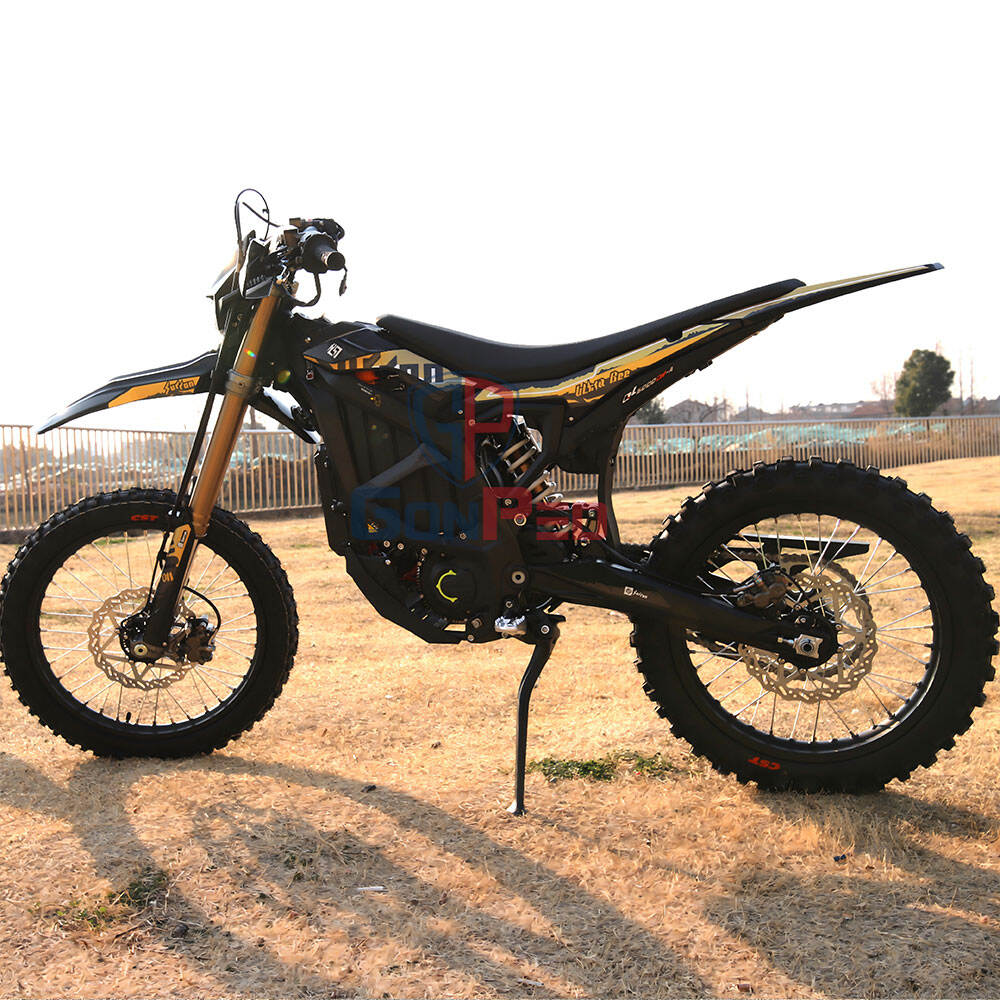
Electric motorcycles have transformed the way riders think about maintenance and performance, introducing technologies that seemed impossible just a decade ago. Among these innovations, Surron regenerative braking stands out as a compelling feature that promises to revolutionize how we approach stopping power and maintenance schedules. For riders accustomed to regular brake pad replacements, oil changes, and traditional mechanical upkeep, the question naturally arises: can this technology truly eliminate or significantly reduce the need for conventional brake system maintenance? Understanding the practical capabilities and limitations of regenerative braking systems in Surron electric motorcycles requires examining both the engineering principles and real-world performance data that define modern electric mobility.
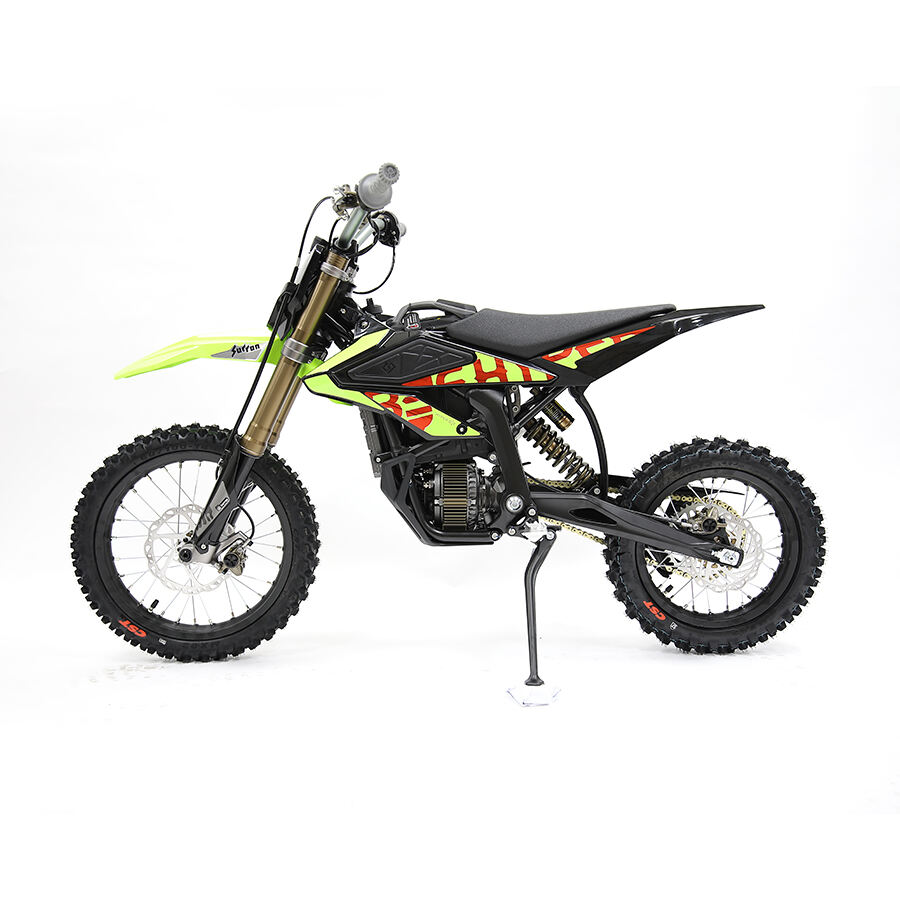
The promise of reduced maintenance through Surron regenerative braking has attracted significant attention from both recreational riders and commercial fleet operators seeking to lower total cost of ownership. However, separating marketing claims from engineering reality requires a detailed examination of how regenerative systems actually function under various riding conditions, what percentage of braking force they can realistically provide, and under what circumstances traditional friction brakes remain absolutely necessary. This analysis explores the technical capabilities, practical limitations, and maintenance implications of regenerative braking technology as implemented in Surron electric motorcycles, providing riders with the information needed to make informed decisions about maintenance scheduling and riding techniques.
Understanding How Surron Regenerative Braking Functions
The Core Mechanism Behind Energy Recovery
Surron regenerative braking operates by reversing the function of the electric motor during deceleration phases, transforming it temporarily into a generator that converts kinetic energy back into electrical energy. When a rider initiates braking, the motor's electromagnetic fields create resistance against the rotor's rotation, producing a braking force while simultaneously charging the battery pack. This process fundamentally differs from traditional friction braking, where kinetic energy converts to heat through mechanical contact between brake pads and rotors. The efficiency of this energy recovery depends on multiple factors including vehicle speed, battery state of charge, motor controller programming, and the rate of deceleration requested by the rider.
The Surron regenerative braking system integrates with the motor controller to manage power flow dynamically throughout the deceleration event. Modern implementations use sophisticated algorithms that monitor battery temperature, charge level, and power input capacity to determine how much regenerative force can be safely applied at any given moment. When the battery approaches full charge or experiences elevated temperatures, the system automatically reduces regenerative braking effectiveness to protect battery longevity. This variable nature means riders cannot always rely on consistent regenerative braking performance, particularly during extended downhill riding or after charging to full capacity.
System Integration With Traditional Brake Components
Rather than completely replacing mechanical braking systems, Surron regenerative braking functions as a supplementary deceleration method that works in parallel with conventional hydraulic disc brakes. The typical configuration includes independent control of regenerative and friction braking, allowing riders to modulate each system according to riding conditions and personal preference. Many Surron models feature regenerative braking activation through throttle release or dedicated brake lever sensors, while traditional brake levers continue to operate the hydraulic calipers and friction pads. This dual-system approach provides redundancy and ensures stopping power remains available even when electrical systems fail or battery conditions prevent regenerative operation.
The integration design philosophy recognizes that Surron regenerative braking alone cannot meet all stopping requirements across the full range of riding scenarios. Emergency stops, high-speed deceleration, and situations requiring maximum braking force still necessitate the friction brake system's full engagement. The regenerative component primarily serves to reduce the frequency and intensity of friction brake usage during normal riding, extending component lifespan rather than eliminating replacement requirements entirely. Understanding this complementary relationship helps set realistic expectations for maintenance intervals and system capabilities.
Practical Limitations of Regenerative Braking Systems
Speed and Effectiveness Correlation
The effectiveness of Surron regenerative braking varies significantly with vehicle speed, demonstrating maximum efficiency during moderate-speed deceleration and diminishing capability at both very low and very high speeds. At speeds below approximately ten kilometers per hour, the motor's ability to generate meaningful resistance decreases substantially, requiring friction brakes to complete the stopping process. This low-speed limitation means that in urban riding conditions involving frequent complete stops, traditional brake pads still experience regular engagement. Conversely, at higher speeds where maximum braking force becomes necessary for safety, regenerative systems typically cannot provide sufficient deceleration rates alone, again necessitating friction brake usage.
The power regeneration capacity also faces physical constraints based on the motor's design specifications and the battery management system's charging rate limitations. When rapid deceleration is required, the regenerative system can only absorb energy at a rate determined by these electrical parameters, which often falls short of the stopping power achievable through friction braking. Research indicates that regenerative braking typically contributes between fifteen and thirty percent of total braking force in mixed riding conditions, with the exact percentage varying based on terrain, riding style, and battery state. This reality underscores that Surron regenerative braking functions as a valuable auxiliary system rather than a complete brake pad replacement solution.
Battery State of Charge Dependencies
One of the most significant constraints affecting Surron regenerative braking performance involves the battery's current charge level and its capacity to accept additional energy. When the battery pack reaches approximately ninety-five percent state of charge, most battery management systems reduce or completely disable regenerative braking to prevent overcharging damage. This protective measure means that riders beginning journeys with fully charged batteries experience minimal regenerative braking benefit during the initial riding phase, relying entirely on friction brakes for deceleration. The implication for brake pad wear is substantial, as these initial riding segments occur during every trip that begins after a full charge cycle.
Temperature conditions similarly affect regenerative braking availability, with both cold and hot battery states limiting energy acceptance rates. Cold batteries exhibit reduced charging efficiency and may reject regenerative current to prevent lithium plating damage, while overheated batteries restrict charging input to avoid thermal runaway conditions. These temperature-related limitations become particularly relevant in extreme climates or during aggressive riding that generates significant battery heat. Riders in consistently hot or cold environments may find that Surron regenerative braking availability decreases substantially compared to moderate climate operation, resulting in higher friction brake reliance and correspondingly reduced brake pad longevity benefits.
Real-World Impact on Brake Pad Replacement Intervals
Documented Maintenance Interval Extensions
Field data from Surron owners and fleet operators reveals that regenerative braking does provide measurable extensions to brake pad lifespan, though the magnitude varies significantly based on riding patterns and terrain characteristics. Urban riders who primarily operate in flat terrain with frequent moderate-speed stops report brake pad lifespan increases ranging from forty to seventy percent compared to equivalent combustion motorcycles. These extensions translate to maintenance interval adjustments from typical six-month replacement cycles to intervals approaching twelve to fourteen months under favorable conditions. The Surron regenerative braking system's contribution becomes most evident in stop-and-go traffic scenarios where repeated moderate deceleration events accumulate substantial energy recovery while simultaneously reducing friction brake engagement.
However, riders operating in mountainous terrain or engaging in aggressive off-road riding report more modest maintenance benefits, with brake pad lifespan extensions limited to approximately twenty to thirty percent. The difference stems from the increased frequency of high-force braking events and extended downhill descents that exceed regenerative system capacity. During steep descents, battery charge levels quickly reach maximum capacity, disabling Surron regenerative braking and forcing complete reliance on friction brakes for extended periods. These conditions generate substantial heat in traditional brake components, accelerating pad wear despite the regenerative system's presence. Realistic expectations must therefore account for individual riding profiles rather than assuming universal maintenance reduction figures.
Factors Influencing Actual Replacement Needs
Beyond riding terrain and style, several additional factors determine the actual brake pad replacement intervals experienced by Surron owners utilizing regenerative braking. Rider weight and typical cargo loads affect the kinetic energy that must be dissipated during each braking event, with heavier combined weights increasing both regenerative and friction brake workload. Brake pad material selection also plays a crucial role, as sintered metal pads typically outlast organic compounds under identical usage patterns. Additionally, environmental conditions including dust, mud, and water exposure accelerate pad wear through abrasive contamination and corrosion effects that regenerative braking cannot prevent.
Maintenance practices themselves influence how effectively Surron regenerative braking extends component lifespan, with proper system calibration and battery health management ensuring maximum regenerative availability. Riders who maintain optimal tire pressures and wheel alignment reduce rolling resistance, allowing regenerative braking to handle a larger proportion of routine deceleration needs. Regular inspection of brake fluid condition, caliper piston movement, and pad-to-rotor alignment ensures that when friction brakes do engage, they operate efficiently without premature wear from mechanical binding or contamination. The synergistic relationship between regenerative technology and traditional maintenance practices determines ultimate component longevity more than either factor in isolation.
Optimizing System Performance for Maximum Brake Pad Longevity
Riding Technique Adjustments
Maximizing the brake pad preservation benefits of Surron regenerative braking requires conscious riding technique modifications that emphasize early, gradual deceleration over abrupt stops. Anticipating traffic flow and signal changes allows riders to initiate regenerative braking at higher speeds where motor resistance provides greater stopping power, reducing the need for subsequent friction brake application. This forward-looking riding style, sometimes called hypermiling when applied to energy efficiency, delivers dual benefits of extended brake pad life and increased riding range through energy recovery. Developing smooth throttle release habits that engage regenerative braking progressively helps riders adapt to the system's feel while maximizing its utility.
Understanding the specific regenerative braking characteristics of individual Surron models enables riders to calibrate their technique to system responsiveness. Some models feature adjustable regenerative braking strength through controller settings, allowing customization based on personal preference and typical riding conditions. Stronger regenerative settings provide more motor braking but may feel abrupt during throttle release, while milder settings offer smoother modulation at the expense of reduced energy recovery and brake pad preservation. Experimenting with these settings in safe environments helps riders identify optimal configurations for their specific usage patterns, ultimately determining how much friction brake reliance can be realistically minimized through regenerative system utilization.
Battery Management Strategies
Strategic battery charging practices directly influence Surron regenerative braking availability and consequently affect brake pad wear rates over time. Riders who routinely charge batteries to only eighty or eighty-five percent capacity maintain greater regenerative braking functionality throughout their rides, as the battery management system permits energy recovery across more of the journey duration. This partial charging approach requires more frequent charging sessions but delivers improved regenerative availability that translates to measurably reduced friction brake usage. Fleet operators managing multiple vehicles have documented this relationship, with optimized charging protocols contributing to extended brake component intervals across entire vehicle populations.
Temperature management also plays a role in sustaining regenerative braking effectiveness, particularly in extreme climates. Pre-conditioning battery packs to moderate temperatures before riding ensures maximum energy acceptance capacity from the journey's beginning. Some Surron models include battery heating or cooling systems that maintain optimal operating temperatures, though riders of models without these features can achieve similar benefits through strategic parking locations and ride timing. Avoiding immediate post-charge riding in very hot conditions allows battery temperatures to stabilize, restoring full regenerative capacity that might otherwise be restricted during the initial riding phase. These seemingly minor management details accumulate into significant differences in total brake pad longevity over extended ownership periods.
Economic and Practical Maintenance Considerations
Total Cost Analysis of Brake System Maintenance
Evaluating whether Surron regenerative braking meaningfully reduces maintenance costs requires comprehensive analysis beyond simple brake pad replacement intervals. While extended pad lifespan directly reduces parts and labor expenses, the regenerative system introduces its own maintenance considerations including battery degradation from charge cycling and potential motor controller service requirements. The battery pack represents the most expensive consumable component on electric motorcycles, with cycle life partially determined by the frequency and intensity of regenerative charging events. Aggressive regenerative braking that repeatedly charges batteries to full capacity may accelerate capacity degradation, potentially offsetting brake maintenance savings through earlier battery replacement needs.
However, comprehensive fleet data generally indicates favorable total cost outcomes when Surron regenerative braking is utilized appropriately. The reduced friction brake usage not only extends pad life but also decreases rotor wear, caliper maintenance requirements, and brake fluid degradation rates. Rotors subjected to less thermal stress maintain thickness specifications longer, avoiding costly replacement procedures. Brake fluid experiences reduced boiling point degradation when subjected to fewer high-temperature braking events, extending service intervals from annual to biennial maintenance in many cases. When these cumulative savings are calculated across typical ownership periods of three to five years, most operators realize net positive economic outcomes despite the regenerative system's indirect costs.
Safety Implications and Backup System Requirements
The question of whether regenerative braking can replace traditional brake pad changes must ultimately be answered through the lens of safety rather than pure economics or convenience. Regulatory frameworks in most jurisdictions mandate functional mechanical braking systems independent of electrical power, recognizing that battery depletion, electrical failures, or motor controller malfunctions cannot compromise a vehicle's ability to stop safely. This regulatory reality means that regardless of regenerative system capability, traditional friction brakes must be maintained to full operational standards as primary safety equipment. The Surron regenerative braking system functions legally and practically as a supplementary deceleration method rather than a replacement for mechanical braking components.
From a practical safety perspective, experienced riders appreciate having both braking systems available across varying conditions. Wet weather significantly reduces regenerative braking effectiveness due to decreased motor efficiency and traction limitations, making friction brakes essential for maintaining safe stopping distances. Off-road conditions involving loose surfaces, obstacles, and unpredictable terrain similarly demand the precise modulation and maximum force capabilities that only traditional brakes provide. The redundancy inherent in dual braking systems offers peace of mind that justifies maintaining friction brake components even when regenerative systems reduce their usage frequency. Responsible ownership therefore requires continued inspection, maintenance, and timely replacement of brake pads according to condition rather than solely on extended interval assumptions.
FAQ
Does Surron regenerative braking completely eliminate the need for brake pad replacements?
No, Surron regenerative braking does not completely eliminate brake pad replacement requirements. While the technology significantly extends brake pad lifespan by handling a portion of routine deceleration events, traditional friction brakes remain essential for emergency stops, low-speed braking, and situations where battery state of charge prevents regenerative function. Riders can typically expect brake pad lifespan extensions of forty to seventy percent in urban conditions, but complete elimination of friction brake maintenance is neither realistic nor safe. Regular inspection and replacement based on actual pad wear remains necessary to maintain safe stopping capability across all riding conditions.
How does battery charge level affect regenerative braking performance?
Battery state of charge directly determines regenerative braking availability and effectiveness. When batteries reach approximately ninety-five percent capacity or higher, battery management systems reduce or disable regenerative braking to prevent overcharging damage. This means riders starting trips with fully charged batteries experience minimal regenerative benefit during initial riding phases, relying entirely on friction brakes. Conversely, partially depleted batteries between twenty and eighty percent charge typically provide optimal regenerative braking performance. Strategic charging to partial capacity levels rather than full charge can maintain better regenerative availability throughout rides, ultimately providing greater brake pad preservation benefits.
Can I adjust the strength of regenerative braking on Surron models?
Many Surron models feature adjustable regenerative braking strength through controller programming parameters, though the specific adjustment method varies by model and controller version. Some systems offer multiple preset regenerative levels selectable through handlebar switches or display menus, while others require computer connection and software adjustment for calibration changes. Stronger regenerative settings provide more aggressive motor braking and greater energy recovery but may feel abrupt during throttle release. Milder settings offer smoother modulation preferred by some riders but recover less energy and provide less friction brake preservation benefit. Consulting model-specific documentation or authorized service centers ensures proper adjustment procedures for individual systems.
What riding conditions reduce regenerative braking effectiveness most significantly?
Several riding conditions substantially reduce Surron regenerative braking effectiveness, with steep downhill descents presenting the most significant challenge. Extended descents quickly charge batteries to maximum capacity, disabling regenerative function and forcing complete friction brake reliance. Cold weather below freezing reduces battery charging acceptance, limiting regenerative capability until batteries warm to operating temperature. Wet conditions decrease overall braking effectiveness for both regenerative and friction systems through reduced traction. Additionally, very low speeds below ten kilometers per hour provide minimal regenerative force due to motor characteristics, requiring friction brakes for final stopping. Riders encountering these conditions should expect increased friction brake usage regardless of regenerative system presence.
Table of Contents
- Understanding How Surron Regenerative Braking Functions
- Practical Limitations of Regenerative Braking Systems
- Real-World Impact on Brake Pad Replacement Intervals
- Optimizing System Performance for Maximum Brake Pad Longevity
- Economic and Practical Maintenance Considerations
-
FAQ
- Does Surron regenerative braking completely eliminate the need for brake pad replacements?
- How does battery charge level affect regenerative braking performance?
- Can I adjust the strength of regenerative braking on Surron models?
- What riding conditions reduce regenerative braking effectiveness most significantly?