 EN
EN
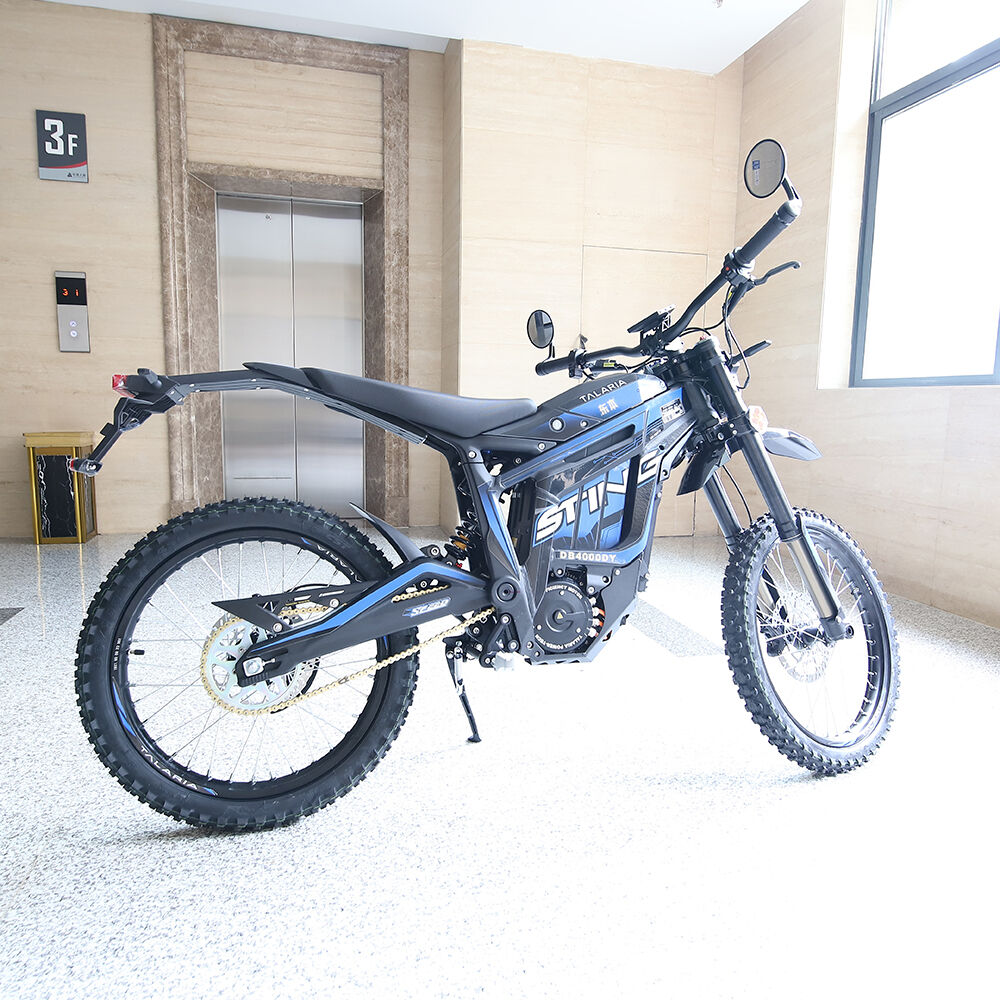
Whether you're considering a Surron electric motorcycle for trail riding or street commuting, understanding the insurance requirements is essential for legal compliance and financial protection. The question of whether Surron insurance differs between off-road and street use is not straightforward, as it depends on multiple factors including your location, how you intend to use the vehicle, and whether your model is street-legal. Unlike traditional motorcycles with decades of established insurance frameworks, electric dirt bikes like Surron models occupy a unique regulatory space that many riders find confusing. This article clarifies the insurance requirements for both off-road and street use, helping you make informed decisions about coverage and compliance.
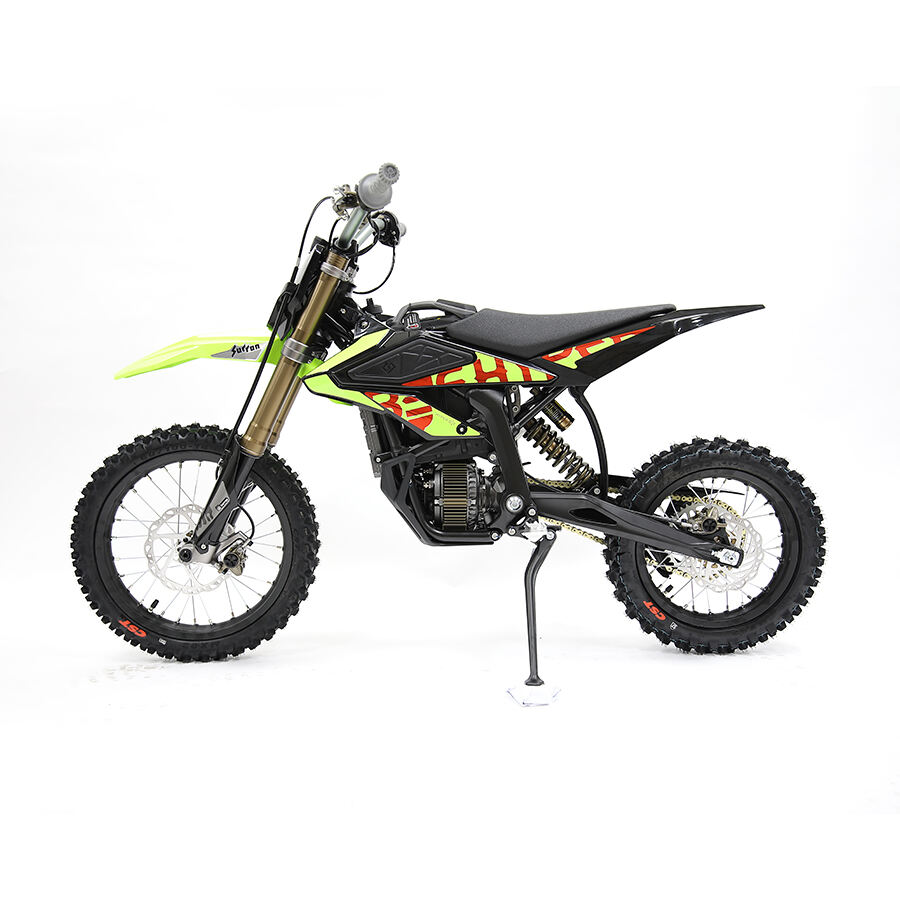
The distinction between off-road and street use fundamentally changes the Surron insurance landscape because each scenario carries different legal obligations and risk profiles. Off-road riding typically occurs on private property or designated trails where vehicle registration and insurance may not be legally mandated, though liability protection remains wise. Street use, however, triggers a cascade of requirements including registration, licensing, and mandatory insurance in most jurisdictions. Adding complexity to this equation is the fact that many Surron models are not originally manufactured as street-legal vehicles, requiring modifications and certifications before they can legally operate on public roads. Understanding these distinctions is crucial before you purchase coverage or take your electric motorcycle onto any riding surface.
Understanding Surron Classification and Insurance Implications
Legal Vehicle Classification Differences
Surron electric motorcycles fall into various classification categories depending on their specifications and your jurisdiction's regulations. Most standard Surron models, including the popular Light Bee series, are classified as off-road vehicles or electric bicycles in their factory configuration. This classification significantly impacts Surron insurance requirements because off-road vehicles are generally not required to carry liability insurance when used exclusively on private land or designated off-road areas. However, once these vehicles are modified for street use or operated on public roads, they may be reclassified as motorcycles, mopeds, or motorized bicycles depending on their power output and maximum speed capabilities.
The classification process matters because insurance companies assess risk and determine coverage options based on how regulatory authorities categorize your vehicle. A Surron used strictly for off-road recreation presents different liability exposures than one used for daily street commuting. Insurance underwriters consider factors such as maximum speed, motor power output, whether the vehicle has pedals, and if it meets Department of Transportation standards. In many states, vehicles capable of exceeding certain speed thresholds or power levels automatically require motorcycle endorsements and corresponding insurance, regardless of the manufacturer's original intent for the product.
State-by-State Regulatory Variations
Surron insurance requirements vary dramatically across different states and countries, creating confusion for riders who relocate or travel across jurisdictions. Some states classify electric motorcycles based solely on motor wattage, while others focus on top speed or whether the vehicle has functional pedals. California, for example, has specific regulations for electric bicycles with different classes based on speed and pedal-assist features, but high-powered models like most Surron variants typically exceed these thresholds and require motorcycle registration and insurance. Texas takes a different approach, focusing more on whether the vehicle can be registered and titled, which then triggers insurance requirements.
Understanding your local regulations is critical before making Surron insurance decisions. Some jurisdictions prohibit electric dirt bikes on public roads entirely, making street insurance impossible to obtain or unnecessary. Others have created special registration categories for electric motorcycles that fall between traditional bicycles and full motorcycles. Riders should contact their state's Department of Motor Vehicles and insurance regulators to determine precise classification rules. This research protects you from operating illegally and ensures you purchase appropriate coverage that will actually pay claims if an incident occurs. Many riders have discovered after accidents that their Surron insurance policies contained exclusions for off-road use or street use depending on how the vehicle was classified during the application process.
Off-Road Surron Insurance Requirements and Options
When Off-Road Insurance Is Legally Required
While off-road Surron use typically does not trigger mandatory insurance requirements in most jurisdictions, certain situations create legal obligations for coverage. If you ride on public off-road vehicle parks or state-managed trail systems, some facilities require proof of liability insurance as a condition of access. These requirements exist to protect the managing agency from lawsuits if riders injure others or damage property. Additionally, organized off-road events, races, or group rides often mandate that participants carry minimum liability coverage, with some requiring riders to add the event organizer as an additional insured party on their Surron insurance policies.
Private property owners may also require insurance before granting access to their land for riding. This is particularly common with commercial riding parks, training facilities, and private trail systems that charge admission fees. Even when riding on your own property, insurance considerations remain important because guests or trespassers who are injured may file lawsuits regardless of your relationship with them. Homeowner's insurance policies typically exclude motorized vehicle accidents from coverage, creating a gap that specialized Surron insurance can fill. Understanding these scenarios helps riders assess when voluntary insurance becomes practically necessary even when not legally mandated.
Types of Off-Road Coverage Available
Several insurance options exist for off-road Surron riders seeking protection without street use coverage. Specialty off-road vehicle insurance policies provide liability coverage for injuries or property damage you cause while riding, along with optional comprehensive and collision coverage for damage to your own vehicle. These policies are typically less expensive than street motorcycle insurance because off-road environments present lower risks of serious accidents involving other vehicles and pedestrians. Many insurers offer seasonal policies that allow you to pay for coverage only during months when you actively ride, reducing annual costs for recreational users.
Another option is adding your Surron to an existing powersports or recreational vehicle insurance policy if you already insure ATVs, dirt bikes, or similar equipment. This approach often provides multi-vehicle discounts while ensuring consistent coverage across your recreational fleet. Some homeowner's insurance policies can be endorsed with off-road vehicle liability coverage, though this option is becoming less common as insurers tighten exclusions around motorized vehicles. When selecting off-road Surron insurance, carefully review policy exclusions related to racing, competitive events, and modifications, as these can void coverage if not properly disclosed during the application process.
Cost Considerations for Off-Road Coverage
Off-road Surron insurance costs generally range from two hundred to six hundred dollars annually depending on coverage limits, deductibles, and the value of your vehicle. Liability-only policies fall on the lower end of this spectrum, while comprehensive packages including theft, vandalism, and collision coverage increase premiums substantially. Your riding history, age, and claims experience also influence pricing, with younger riders and those with previous accidents facing higher rates. Insurers consider the replacement value of your Surron when calculating comprehensive and collision premiums, so models with higher market values naturally cost more to insure fully.
Geographic location affects off-road insurance pricing as well, with areas experiencing higher rates of vehicle theft or more frequent riding seasons commanding increased premiums. Riders can reduce costs by accepting higher deductibles, limiting coverage to liability only, or demonstrating completion of safety courses. Some insurance companies offer discounts for storing your Surron in a locked garage or installing GPS tracking devices that aid recovery if stolen. Comparing quotes from multiple insurers specializing in powersports or off-road vehicles is essential, as rates vary significantly between carriers. Remember that the cheapest policy is not always the best value if it contains restrictive exclusions or inadequate liability limits that leave you financially exposed after a serious incident.
Street Use Surron Insurance Requirements and Compliance
Mandatory Insurance Laws for Street Operation
Operating a Surron on public streets triggers mandatory insurance requirements in virtually every jurisdiction that allows such use. Most states require minimum liability coverage that pays for injuries and property damage you cause to others in an accident. These minimum requirements typically range from twenty-five thousand to fifty thousand dollars per person for bodily injury, with aggregate limits per accident of fifty thousand to one hundred thousand dollars, plus property damage coverage of ten thousand to twenty-five thousand dollars. Some states mandate higher minimums or require additional coverage types such as personal injury protection or uninsured motorist coverage as part of legal compliance.
The specific insurance requirements depend on whether your Surron is classified as a motorcycle, moped, or motorized bicycle in your jurisdiction. Full motorcycle classification generally requires the highest coverage limits and most comprehensive insurance options. Before obtaining street-use Surron insurance, you must typically complete the registration and titling process with your state motor vehicle agency, which itself requires proof of ownership and often a vehicle inspection confirming the bike meets safety standards. Riding on public streets without proper insurance carries serious consequences including fines, license suspension, vehicle impoundment, and personal liability for all damages if you cause an accident. These penalties make compliance essential rather than optional for street riders.
Making Your Surron Street-Legal
Converting a Surron from off-road configuration to street-legal status involves multiple steps that directly impact insurance availability and requirements. Most jurisdictions require specific equipment including headlights, taillights, brake lights, turn signals, mirrors, horn, and DOT-approved tires. The vehicle must display a visible Vehicle Identification Number and have a functional speedometer and odometer. Some states also mandate specific emission standards, though electric vehicles typically satisfy these automatically. After installing required equipment, you must obtain an inspection certificate from an authorized facility or law enforcement agency confirming the modifications meet legal standards.
Once your Surron passes inspection, you can proceed with registration and titling, which creates the legal foundation for obtaining street insurance. Insurance companies require proof of registration before issuing policies for street use, creating a documentation sequence that must be completed in proper order. Some riders attempt to insure their Surron before completing street-legal modifications, only to discover their coverage is invalid if the vehicle was not legally registered for road use at the time of an accident. Working with insurance agents experienced in electric motorcycles and alternative vehicles helps navigate these requirements efficiently. Document all modifications thoroughly with receipts and photographs, as insurers may request this information during the underwriting process or after a claim.
Street Insurance Coverage Types and Limits
Street-use Surron insurance policies include several coverage components beyond basic liability protection. Collision coverage pays for damage to your motorcycle regardless of fault in an accident, subject to your deductible. Comprehensive coverage protects against non-collision events such as theft, vandalism, fire, weather damage, and animal strikes. Uninsured and underinsured motorist coverage becomes particularly important for Surron riders because the relatively small size of electric motorcycles makes them vulnerable in accidents with larger vehicles whose drivers may lack adequate insurance. Medical payments coverage or personal injury protection pays your medical expenses after an accident regardless of fault, providing immediate benefits without waiting for liability determinations.
Additional coverage options worth considering include accessories and custom equipment coverage for modifications you have installed, roadside assistance for mechanical failures or flat tires, and replacement cost coverage that pays the current market value of a comparable Surron rather than depreciated actual cash value if your bike is totaled. Gap insurance becomes relevant if you financed your purchase and owe more than the bike's current value. When selecting coverage limits for street use, consider that medical costs from serious motorcycle accidents easily exceed minimum liability requirements, potentially exposing your personal assets to lawsuits. Many insurance professionals recommend liability limits of at least one hundred thousand dollars per person and three hundred thousand dollars per accident, with higher limits providing better protection for riders with substantial assets.
Comparing Off-Road and Street Insurance Costs and Coverage
Premium Differences Between Use Types
Street-use Surron insurance typically costs significantly more than off-road coverage due to increased accident risks associated with public road operation. While off-road policies might range from two hundred to six hundred dollars annually, street insurance often costs between six hundred and fifteen hundred dollars per year for comparable coverage limits. This substantial premium difference reflects statistical data showing higher frequency and severity of accidents involving motorcycles on public roads compared to controlled off-road environments. Street riding exposes you to distracted drivers, traffic violations by others, road hazards, and higher-speed collisions that generate larger insurance claims.
Your personal riding record dramatically influences street insurance costs more than off-road premiums. Traffic violations, at-fault accidents, and license suspensions increase street motorcycle insurance rates substantially, sometimes doubling or tripling premiums for high-risk riders. Off-road insurance underwriting places less emphasis on driving history because most off-road incidents are not reported to motor vehicle departments. Age also affects pricing differently, with street insurance imposing much higher rates on riders under twenty-five years old while off-road policies show smaller age-based variations. Urban riders face higher street insurance costs than rural riders due to increased traffic density and theft rates, whereas off-road insurance pricing varies less by geography.
Coverage Exclusions and Limitations by Use Type
Understanding what each insurance type excludes is as important as knowing what it covers. Off-road Surron insurance policies typically exclude coverage for any street use, meaning if you ride your bike on a public road even briefly and have an accident, your claim will likely be denied. Conversely, street insurance policies often exclude off-road use, racing, competitive events, and riding in designated off-road parks. Some policies contain ambiguous language around occasional off-road use, such as crossing unpaved parking lots or briefly riding on dirt roads, creating potential coverage gaps that leave riders unprotected regardless of which policy they maintain.
Both policy types typically exclude intentional damage, racing, stunt riding, and commercial use such as delivery services or rental operations. Many policies void coverage if you allow unlicensed riders to operate your Surron or if you modify the vehicle beyond manufacturer specifications without notifying the insurer. Alcohol or drug impairment universally voids coverage across all policy types. Carefully reviewing exclusions before purchasing helps identify potential gaps that require additional coverage or separate policies. Some riders maintain both off-road and street Surron insurance policies to ensure comprehensive protection regardless of where they ride, though this obviously increases total insurance costs significantly. The ideal approach depends on your actual riding patterns and which environments you frequent most regularly.
Dual-Purpose Insurance Solutions
Some insurance carriers now offer dual-purpose policies designed specifically for vehicles like the Surron that riders use in both off-road and street environments. These policies provide seamless coverage regardless of where you ride, eliminating the risk of claim denials based on use location. Premium costs for dual-purpose coverage typically fall between single-use off-road and street policies, making them cost-effective for riders who regularly alternate between environments. However, dual-purpose policies remain less common in the insurance market, and many standard carriers do not offer this option, requiring riders to seek specialty insurers focusing on powersports and electric vehicles.
When dual-purpose coverage is unavailable or prohibitively expensive, some riders opt for street insurance only, accepting that off-road riding technically violates policy terms but reasoning that street accidents pose greater financial risks. This approach carries significant claim denial risk and is not recommended, as insurers thoroughly investigate accident circumstances and will identify policy violations. A better strategy involves honestly discussing your riding patterns with insurance agents to find carriers with broader use definitions or those willing to endorse policies for occasional off-road use. Transparency during the application process protects you from claim denials based on misrepresentation, even if it results in slightly higher premiums. The peace of mind knowing your Surron insurance will respond when needed justifies the additional cost for most riders.
Practical Considerations When Purchasing Surron Insurance
Disclosure Requirements and Honest Applications
Accurately representing your intended Surron use during insurance applications is legally and financially critical. Insurance fraud through misrepresentation constitutes grounds for policy cancellation and claim denial, potentially leaving you personally liable for damages that could financially devastate you. When applying for coverage, be completely honest about whether you plan street use, off-road use, or both. Disclose all modifications you have made or plan to make, as performance enhancements that increase speed or power affect risk assessment and coverage validity. Failing to disclose that you converted your off-road Surron to street configuration can void your entire policy.
Similarly, inform your insurer if your usage patterns change after purchasing a policy. If you originally insured your Surron for off-road use only but later make it street-legal and begin commuting, you must notify your insurance company and adjust coverage accordingly. Most policies require notification of material changes within thirty days, and coverage gaps during notification periods can create liability exposures. Keep detailed records of all communications with your insurance company, including emails, letters, and phone call summaries documenting what you disclosed and when. This documentation protects you if disputes arise about whether you properly notified the insurer of relevant information affecting coverage.
Working with Specialized Insurance Agents
Finding insurance agents experienced with electric motorcycles and specialty vehicles like the Surron significantly improves your likelihood of obtaining appropriate coverage at competitive rates. Standard auto insurance agents often lack familiarity with how to classify and insure electric dirt bikes, leading to incorrect coverage recommendations or declined applications. Specialty powersports insurance agencies understand the unique characteristics of Surron vehicles and maintain relationships with carriers willing to insure them for various use types. These agents can explain which modifications affect insurability and guide you through registration processes that enable street coverage.
When interviewing potential insurance agents, ask specific questions about their experience insuring Surron motorcycles or similar electric vehicles. Request references from other electric motorcycle owners they have insured. Verify that agents are properly licensed in your state and represent multiple insurance carriers rather than a single company, ensuring they can shop your coverage among various options. Specialized agents may charge slightly higher premiums due to their expertise and access to niche markets, but the value they provide through proper coverage structuring and claims advocacy typically justifies any additional cost. Establishing a relationship with a knowledgeable agent creates a resource you can consult as your needs evolve or questions arise about coverage.
Documentation and Claims Process Considerations
Proper documentation habits significantly impact your ability to file successful Surron insurance claims when accidents occur. Photograph your motorcycle from multiple angles when you first purchase insurance, clearly showing its condition and any modifications or accessories. Update these photographs periodically and after installing new components. Keep all receipts for the original purchase, accessories, maintenance, and modifications in a dedicated file. This documentation establishes the replacement value of your Surron if it is stolen or totaled, supporting your claim for maximum compensation rather than accepting an insurer's potentially low initial valuation.
In the event of an accident, immediately document the scene with photographs showing vehicle positions, damage, road conditions, and any relevant traffic control devices. Collect contact information from witnesses and other parties involved. Report the incident to police if required by law or if significant injuries or property damage occurred. Notify your insurance company promptly, typically within twenty-four to seventy-two hours depending on policy terms. Be factual in your description but avoid admitting fault or making statements that could be interpreted as accepting liability. Follow your insurer's claims process precisely, providing requested documentation promptly and cooperating with investigations. Understanding these procedures before you need them reduces stress during difficult post-accident periods and protects your financial interests.
FAQ
Can I use my regular auto insurance policy to cover my Surron electric motorcycle?
No, standard auto insurance policies do not cover motorcycles including Surron electric models. Motorcycles require separate insurance policies specifically designed for two-wheeled vehicles because they present different risk profiles than cars and trucks. Even if your Surron is street-legal, your auto insurance carrier will not extend coverage to it under your car policy. You must purchase dedicated motorcycle insurance or specialty powersports insurance that explicitly includes your Surron by make, model, and VIN number. Some insurance companies offer discounts if you bundle your auto and motorcycle policies with the same carrier, so inquire about multi-policy discounts when shopping for coverage.
What happens if I get into an accident while riding my Surron in a way not covered by my insurance policy?
If you have an accident while using your Surron in a manner excluded by your insurance policy, your insurer will likely deny your claim entirely. This means you will be personally responsible for all damages you cause to others, including their medical expenses, lost wages, property damage, and legal fees if they sue you. You will also receive no compensation for damage to your own Surron regardless of how much you paid for comprehensive or collision coverage. This financial exposure can be devastating, potentially resulting in lawsuits, wage garnishment, and bankruptcy. Beyond claim denial, insurers may cancel your policy entirely if they discover you misrepresented your intended use during the application process. This makes it extremely difficult to obtain coverage from other carriers in the future, as insurance companies share information about policy cancellations and fraud through industry databases.
Do I need insurance for my Surron if I only ride it on my own private property?
Legally, most jurisdictions do not require insurance for vehicles operated exclusively on private property that you own. However, carrying liability insurance even for private property use is strongly advisable for several important reasons. First, guests or visitors who are injured while on your property can sue you regardless of whether insurance is legally required. Second, homeowner's insurance policies typically exclude injuries caused by motorized vehicles from their liability coverage, creating a gap that leaves you financially exposed. Third, comprehensive coverage protects your investment in the Surron against theft, fire, vandalism, and other non-accident damage regardless of where it occurs. Finally, if someone else rides your Surron on your property and injures themselves or others, you may face liability as the vehicle owner even if you were not riding at the time.
How do insurance requirements differ if I modify my Surron with performance upgrades?
Performance modifications that increase your Surron's speed, power, or capabilities create significant insurance implications that you must disclose to your insurer. Most insurance policies require notification of any modifications beyond factory specifications, and failing to report upgrades can void your coverage entirely. When you add performance enhancements such as upgraded controllers, larger battery packs, or modified motors, your insurer may increase your premiums to reflect the increased risk these modifications create. Some insurers may decline to cover heavily modified vehicles or may exclude coverage for the specific modified components while still insuring the base vehicle. Additionally, performance modifications may change your vehicle's legal classification, potentially requiring different registration categories or making street use illegal in your jurisdiction. Always inform your insurance agent before installing performance upgrades and obtain written confirmation that your policy will remain valid with the modifications disclosed.
Table of Contents
- Understanding Surron Classification and Insurance Implications
- Off-Road Surron Insurance Requirements and Options
- Street Use Surron Insurance Requirements and Compliance
- Comparing Off-Road and Street Insurance Costs and Coverage
- Practical Considerations When Purchasing Surron Insurance
-
FAQ
- Can I use my regular auto insurance policy to cover my Surron electric motorcycle?
- What happens if I get into an accident while riding my Surron in a way not covered by my insurance policy?
- Do I need insurance for my Surron if I only ride it on my own private property?
- How do insurance requirements differ if I modify my Surron with performance upgrades?