 EN
EN

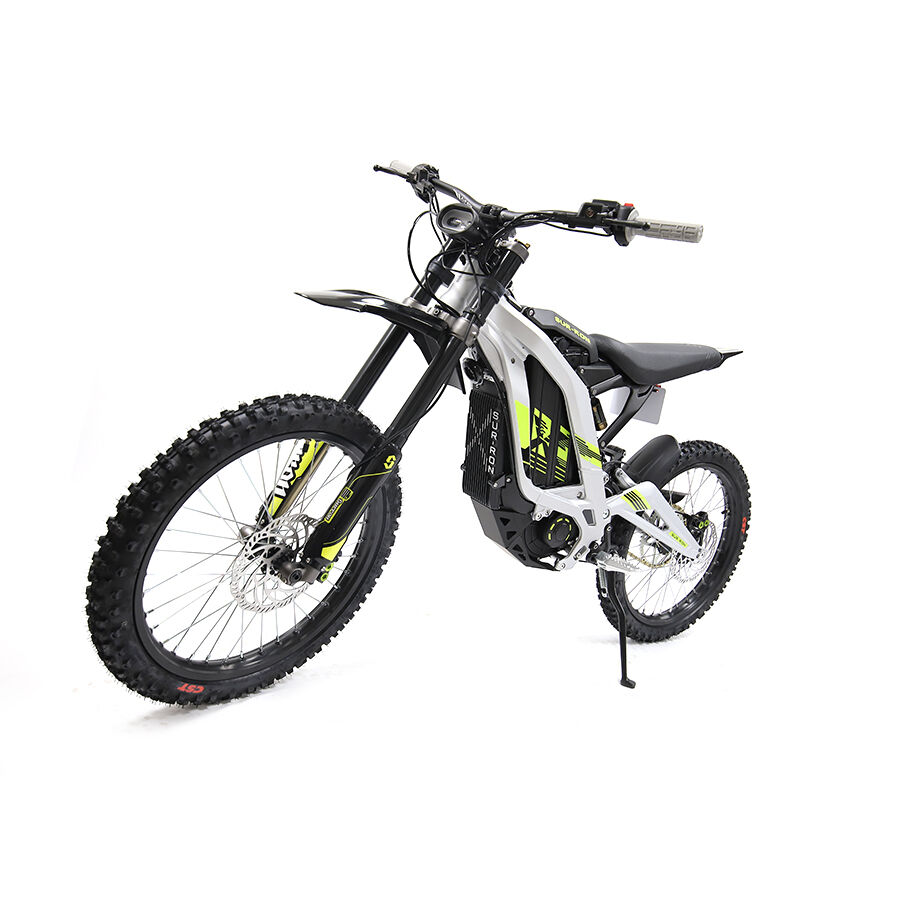
Off-road riders tackling challenging terrain understand that navigating obstacles like logs demands exceptional torque delivery and precision control. Surron electric dirt bikes have emerged as compelling solutions for technical trail riding, offering distinct torque characteristics that transform how riders approach vertical obstacles, fallen timber, and uneven forest terrain. The electric powertrain architecture inherent to these machines provides instantaneous torque application without the lag associated with combustion engines, fundamentally altering the dynamics of log navigation and technical obstacle management in off-road environments.
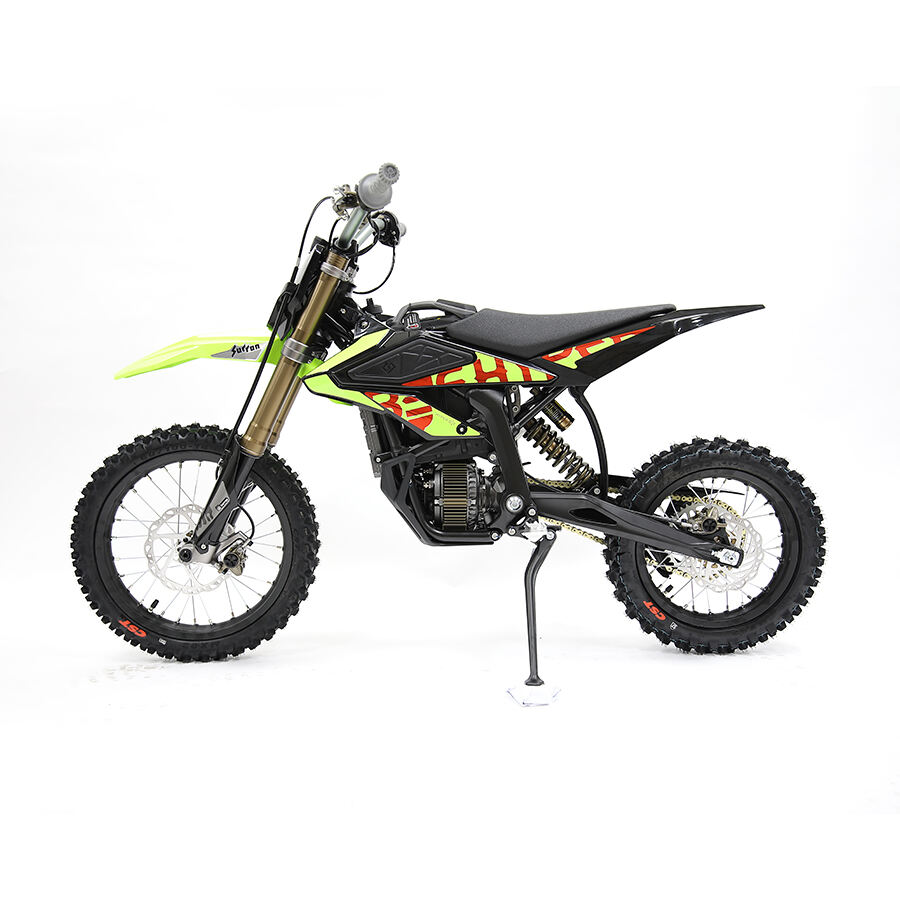
Understanding the specific torque advantages these electric machines deliver requires examining the underlying physics of electric motor operation, the practical application of torque characteristics during log encounters, and the real-world performance differences experienced by riders transitioning from traditional combustion bikes. This analysis explores how Surron electric dirt bikes leverage their unique powertrain characteristics to provide measurable advantages when confronting logs and similar vertical challenges on technical trails, transforming both rider confidence and capability across diverse terrain conditions.
Instantaneous Torque Delivery and Log Climbing Mechanics
Zero-Lag Power Application During Critical Moments
Electric motors fundamentally differ from combustion engines in torque delivery timing, producing maximum torque from zero RPM without requiring rev buildup or clutch manipulation. When approaching a log obstacle, riders on Surron electric dirt bikes experience immediate power response the instant throttle input occurs, eliminating the critical delay window where combustion engines must spool through lower RPM ranges before reaching optimal power bands. This instantaneous response proves particularly valuable during technical log approaches where split-second timing determines success or failure, allowing riders to apply precise power pulses exactly when front wheel lift and rear wheel traction become necessary.
The absence of clutch coordination requirements further simplifies log navigation on Surron electric dirt bikes, as riders focus entirely on body position, throttle modulation, and balance without managing clutch engagement points. Traditional combustion bikes demand synchronized clutch slipping and throttle application to maintain engine RPM within power bands while controlling wheel speed, creating additional cognitive load during already-demanding technical maneuvers. Electric powertrains eliminate this complexity, translating throttle position directly into torque output with linear predictability that reduces mental workload and allows greater attention to obstacle assessment and body positioning strategies.
Torque Curve Consistency Across Speed Ranges
Unlike combustion engines with narrow power bands requiring constant gear selection to maintain optimal torque delivery, Surron electric dirt bikes maintain consistent torque availability across their entire operational speed range. This characteristic proves invaluable when approaching logs at varying speeds, as riders encounter full torque availability whether arriving at walking pace or moderate trail speed, without needing to downshift or rev-match before committing to the obstacle. The consistent torque curve eliminates the common combustion bike scenario where arriving in the wrong gear creates insufficient power for obstacle negotiation, forcing aborted attempts or risky last-second gear changes mid-maneuver.
This torque consistency extends through the entire log climbing motion, maintaining power delivery as wheel speed fluctuates during the ascent and descent phases. Combustion engines typically experience torque variations as RPM changes during obstacle navigation, potentially causing power surges or drops at critical moments when maintaining steady drive proves essential. The flat torque curve characteristic of electric motors used in Surron electric dirt bikes provides predictable power regardless of instantaneous wheel speed, enabling smoother obstacle transitions and reducing the likelihood of rear wheel spin or sudden traction loss that commonly occurs when combustion engines fall out of optimal RPM ranges during technical maneuvers.
Fine Throttle Control for Precision Maneuvering
The direct relationship between throttle position and torque output in electric powertrains enables exceptionally fine control granularity that proves critical during delicate log navigation scenarios. Riders can modulate power delivery in extremely small increments, applying just enough torque to maintain momentum without overwhelming available traction or unsettling chassis balance. This precision control allows experienced riders to feather power delivery through complex log sections where maintaining forward momentum requires constant micro-adjustments, something significantly more challenging on combustion bikes where throttle response includes carburetor or fuel injection lag combined with flywheel inertia effects.
The regenerative braking capability integrated into Surron electric dirt bikes adds another dimension to log control, providing engine braking effect that helps control descent speed when dropping off the backside of tall logs or navigating downhill log sections. This regenerative effect can be modulated through throttle release, giving riders proportional speed control without relying solely on mechanical brakes that can lock wheels and induce skids on slippery log surfaces. The combination of precise power application and controllable regenerative braking creates a comprehensive control envelope that expands the range of log obstacles rideable with confidence.
Low-End Torque Characteristics and Technical Advantage
Maximum Torque at Zero RPM Benefits
The physics of electric motor operation dictate that peak torque occurs at stall conditions, meaning Surron electric dirt bikes deliver their maximum twisting force precisely when most needed during static log approaches or near-zero-speed technical sections. This contrasts sharply with combustion engines that produce minimal torque at idle speeds, requiring significant RPM buildup before accessing useful power levels. When stopped directly against a log obstacle or creeping through complex multi-log sections at walking pace, electric bikes provide full torque availability that enables obstacle negotiation from stationary positions without requiring momentum buildup or run-up approaches.
This low-speed torque abundance transforms riding strategies for technical terrain, allowing riders to stop and assess obstacles without concern for maintaining engine RPM or managing clutch heat during extended low-speed maneuvering. Trail sections featuring sequential log obstacles become more approachable as riders can pause between obstacles to plan subsequent moves while retaining immediate access to full power for the next maneuver. The psychological confidence gained from knowing maximum torque remains available regardless of current speed encourages more technical line choices and reduces the tendency to carry excessive speed into obstacle sections purely to maintain engine RPM within usable power ranges.
Reduced Stalling Risk During Technical Sections
Engine stalling during critical log navigation moments represents one of the most frustrating failures on combustion dirt bikes, typically occurring when RPM drops below idle speed during wheel spin, sudden traction recovery, or loss of momentum mid-obstacle. Surron electric dirt bikes eliminate stalling risk entirely, as electric motors cannot stall regardless of load or speed conditions. This fundamental advantage means riders can attempt more challenging log lines without concern that failed attempts result in engine restart delays, allowing immediate secondary attempts or safe extraction from compromised positions without the added complication of restarting a hot engine while balancing on uneven terrain.
The elimination of stalling concern particularly benefits less experienced riders developing technical skills, as failed log attempts don't carry the additional penalty of engine restart procedures that interrupt learning flow and create frustration. Riders can focus entirely on technique refinement without managing engine operation variables, accelerating skill development through increased attempt frequency and reduced consequence severity for technique errors. This learning advantage extends to expert riders exploring limit conditions, as the ability to make multiple rapid-fire attempts at challenging obstacles without restart delays enables more efficient line exploration and technique optimization.
Torque Modulation for Varying Traction Conditions
Log surfaces present widely varying traction conditions depending on moisture content, bark texture, decomposition state, and surface contamination from mud or organic debris. The precise torque control available on Surron electric dirt bikes enables riders to adapt power delivery instantly to match available traction, applying gentle power on slippery wet logs while using aggressive torque on dry, textured surfaces that provide secure grip. This adaptability proves essential when single trail sections contain logs in different moisture and decomposition states, requiring rapid power delivery strategy changes that electronic throttle control facilitates more effectively than mechanical carburetor or clutch-based systems.
The smooth torque application possible with electric powertrains also reduces the tendency for sudden rear wheel breakaway that occurs when combustion engines deliver abrupt power pulses through drivetrain lash and power band transitions. Maintaining rear wheel traction during log ascents requires progressive power application that matches the increasing weight transfer and traction availability as the bike rotates upward, something the linear torque characteristics of Surron electric dirt bikes support more naturally than the non-linear power delivery of combustion engines. This progressive power capability extends to log descents where controlled power application prevents front wheel washout while maintaining steering control through the transition phase.
Weight Distribution and Torque Application Efficiency
Battery Placement Impact on Traction Dynamics
The battery pack location in Surron electric dirt bikes positions significant mass low and centrally within the chassis, creating favorable weight distribution for traction generation during log climbing. This low center of gravity placement contrasts with combustion bikes where engine mass sits relatively high in the frame, affecting the relationship between torque application and rear wheel weight transfer during vertical obstacle negotiation. The lower mass concentration reduces the tendency for excessive rear weight transfer during aggressive acceleration, helping maintain front wheel ground contact that proves critical for steering control during log approach and initial ascent phases.
Additionally, the compact electric motor dimensions allow optimized swingarm geometry that affects how torque application translates into forward drive versus vertical lift during log encounters. The relationship between motor sprocket location, swingarm pivot position, and rear axle creates mechanical leverage ratios that determine how applied torque divides between pushing the bike forward and rotating it upward. Electric powertrain packaging flexibility enables geometry optimization specifically for technical terrain performance, potentially providing more favorable torque application angles compared to combustion bikes where engine dimensions constrain swingarm design parameters.
Reduced Rotating Mass Effects
Combustion engines incorporate significant rotating mass in crankshafts, flywheels, and clutch assemblies that create gyroscopic effects influencing bike handling during dynamic maneuvers. While these gyroscopic forces provide stability benefits in some situations, they also resist rapid direction changes and chassis rotation necessary for navigating irregular log positions and angles. Surron electric dirt bikes feature minimal rotating mass limited primarily to the motor rotor and drivetrain components, reducing gyroscopic resistance to chassis manipulation and allowing more agile body positioning adjustments during complex log sections requiring constant balance corrections and direction changes.
The reduced rotating inertia also affects how quickly wheel speed changes in response to throttle inputs, with electric systems accelerating and decelerating wheel rotation more rapidly than combustion systems carrying substantial flywheel inertia. This responsiveness proves valuable during log navigation where maintaining optimal wheel speed requires constant adjustment as traction and load conditions fluctuate throughout the obstacle crossing sequence. Faster wheel speed response enables tighter control loops between rider input and machine reaction, supporting more precise obstacle negotiation particularly during complex multi-log sections demanding rapid sequential adjustments.
Torque Vectoring Through Throttle Response Mapping
Many Surron electric dirt bikes incorporate programmable power delivery maps allowing riders to adjust throttle response characteristics to match terrain demands and personal preference. This adjustability enables optimization of torque application strategy specifically for log-heavy terrain, potentially selecting maps that emphasize low-speed torque modulation or provide more aggressive response for dynamic log approaches. The ability to switch power maps between trail sections allows riders to configure the bike optimally for current conditions without physical modification, something impossible on most combustion bikes where power delivery characteristics remain fixed by carburetor jetting or ECU programming requiring specialized tools to modify.
Some advanced electronic control systems also incorporate traction control functionality that modulates torque delivery automatically when wheel slip exceeds optimal levels, helping maintain forward drive on slippery log surfaces where manual throttle control alone might struggle to prevent excessive spin. While traction control systems exist on high-end combustion dirt bikes, the faster response times possible with electronic throttle control in electric systems enable more precise intervention that maintains momentum without excessive power reduction. This electronic torque management expands the skill envelope for riders still developing advanced throttle control techniques while providing safety margins during challenging log encounters where momentary traction loss could result in falls or bike damage.
Practical Performance Implications for Trail Riding
Reduced Fatigue During Extended Technical Sections
The simplified control interface of Surron electric dirt bikes translates directly into reduced rider fatigue during trails featuring numerous log obstacles and sustained technical terrain. Eliminating clutch operation removes significant hand and forearm strain that accumulates during rides requiring constant clutch modulation for engine RPM management and power delivery control. Riders report substantially reduced hand fatigue on electric bikes compared to combustion machines during equivalent trail sections, allowing extended riding duration before grip strength degradation affects control precision and safety margins.
The mental workload reduction from simplified power delivery management also contributes to reduced cognitive fatigue, allowing riders to maintain focus on line selection, balance management, and obstacle assessment rather than dividing attention between terrain navigation and engine operation. This mental energy conservation becomes particularly apparent during long technical descents where sustained concentration proves essential for safe progression, with the simplified control scheme of electric bikes supporting maintained alertness through extended challenging sections that might induce dangerous concentration lapses on combustion machines demanding greater operational complexity.
Expanded Rideable Log Size Range
The torque characteristics of Surron electric dirt bikes effectively expand the range of log sizes approachable with confidence, making previously marginal obstacles more consistently rideable while pushing the upper limit of manageable log heights. The instantaneous torque availability enables successful navigation of smaller logs that might require momentum buildup on combustion bikes, while the precise power control allows attempts at larger logs where delicate throttle management proves critical. This expanded capability range particularly benefits intermediate riders still developing technical skills, as the electric powertrain's forgiving characteristics support progression into more challenging terrain at accelerated rates compared to learning curves typical on combustion machines.
Trail sections featuring log obstacles near a rider's current skill limit become less intimidating and more approachable on electric bikes due to the reduced consequence severity for failed attempts. The absence of stalling risk and immediate power availability for secondary attempts encourages experimentation with technique variations and line choices that develop skills more rapidly than conservative approaches forced by combustion bike characteristics. This psychological advantage compounds over time as expanded comfort with challenging obstacles builds confidence that further accelerates skill development and trail enjoyment.
Seasonal and Weather Condition Advantages
Wet weather conditions dramatically affect log traction, with moisture making bark surfaces extremely slippery and challenging to navigate. The precise torque control available on Surron electric dirt bikes provides particular advantages during wet conditions where gradual power application becomes essential for maintaining traction on slick surfaces. The ability to modulate torque in extremely fine increments allows riders to find the narrow window between insufficient power for forward progress and excessive power causing wheel spin, something significantly more challenging on combustion bikes where throttle response granularity proves coarser particularly at low RPM ranges where wet-weather log navigation typically occurs.
Cold weather operation presents challenges for combustion bikes including difficult starting, poor low-RPM operation until engines reach operating temperature, and carburetor icing in extreme conditions. Electric bikes maintain consistent performance regardless of ambient temperature, providing identical torque delivery characteristics whether riding in freezing conditions or summer heat. This consistency proves valuable for riders in climates experiencing significant seasonal temperature variation, as log navigation technique and power delivery expectations remain constant throughout the year rather than requiring adjustment for seasonal engine behavior changes that affect combustion bike performance.
Maintenance Implications for Sustained Performance
Consistent Torque Output Over Component Lifespan
Combustion engines experience gradual performance degradation as valve clearances change, piston rings wear, and compression ratios decrease over operational hours, subtly reducing available torque and altering power delivery characteristics over time. This gradual change forces riders to adapt technique progressively or perform periodic engine rebuilds to restore original performance levels. Surron electric dirt bikes maintain essentially constant torque output throughout their operational lifespan until battery capacity degradation becomes significant, typically requiring many years of typical riding patterns before measurable performance reduction occurs.
The consistent performance characteristic means techniques developed for log navigation remain valid throughout the bike's service life without requiring adjustment for changing power delivery characteristics. Riders can develop muscle memory and timing expectations confident that bike response will remain unchanged across thousands of riding hours, supporting technique refinement and skill development that might be disrupted by the gradual performance changes inherent to combustion powertrains. This consistency particularly benefits riders who ride infrequently, as bike performance remains predictable between widely-spaced riding sessions without the performance variability that can occur with combustion bikes sitting unused for extended periods.
Reduced Field Maintenance Requirements
Technical trail riding inevitably results in occasional falls, impacts, and mechanical stress that can affect bike reliability and performance. The simplified mechanical architecture of Surron electric dirt bikes reduces field maintenance requirements compared to combustion machines, with no carburetor adjustment, spark plug fouling, or air filter clogging issues affecting performance during extended trail sessions. This reliability advantage proves particularly valuable during multi-day riding trips or remote trail access where mechanical issues might end riding opportunities or require difficult bike extraction from challenging terrain.
The sealed motor and controller design also provides superior protection against water, mud, and debris ingress compared to combustion engines requiring air intake systems that can ingest water during stream crossings or become clogged with mud in challenging conditions. Riders can navigate log obstacles over water crossings or in muddy conditions with reduced concern for water ingestion or intake system contamination, expanding route options and reducing pre-planning requirements for avoiding water hazards that pose risks to combustion bike reliability.
Battery Management Considerations
While Surron electric dirt bikes offer substantial torque advantages for log navigation, riders must remain conscious of battery capacity management during extended technical trail sessions. Aggressive throttle application during repeated log obstacles consumes battery charge more rapidly than steady-speed trail riding, requiring route planning that accounts for available range and charging infrastructure access. Understanding individual riding style impact on battery consumption helps riders develop realistic range expectations and charging strategies that ensure reliable access to full torque capability throughout planned riding sessions.
Battery capacity does gradually decrease over years of use as cell chemistry ages, eventually affecting available range and potentially peak power output during maximum torque demands. Monitoring battery health and planning for eventual replacement as a normal maintenance item ensures sustained performance characteristics over the long-term ownership period. Most riders find battery lifespan adequate for many years of typical recreational use before replacement becomes necessary, with the cost and inconvenience of periodic battery replacement balanced against the operational advantages electric powertrains provide for technical terrain navigation including log obstacles.
FAQ
Do Surron electric dirt bikes provide enough torque for climbing large logs?
Yes, Surron electric dirt bikes deliver substantial torque from zero RPM that proves adequate for most log obstacles encountered on typical trail systems. The instantaneous torque availability and precise control characteristics often make log climbing more successful on electric bikes compared to combustion machines despite similar or even lower peak horsepower ratings. The key advantage lies not in absolute torque numbers but rather in how torque is delivered and controlled during critical obstacle navigation moments.
How does throttle control on electric dirt bikes differ from combustion bikes for log navigation?
Electric dirt bikes provide direct throttle-to-torque translation without clutch coordination requirements, creating more intuitive and precise control during log navigation. Riders experience linear power delivery without power band transitions, engine braking effects through regenerative systems rather than compression braking, and elimination of stalling risk. This simplified control interface reduces mental workload and allows greater focus on body positioning and line selection rather than engine operation management.
Can electric dirt bikes handle wet, slippery logs as effectively as gas bikes?
Electric dirt bikes often demonstrate superior performance on slippery logs due to extremely fine throttle control granularity that enables precise power modulation matching available traction. The smooth torque delivery without combustion power pulses reduces sudden traction loss incidents, while regenerative braking provides controlled descent speed management. These characteristics combine to make wet log navigation more predictable and controllable on electric platforms compared to combustion alternatives.
What are the main disadvantages of electric bikes for log-heavy technical trails?
The primary limitation involves battery range constraints during extended technical riding sessions where aggressive throttle application for obstacle navigation depletes charge more rapidly than steady riding. Riders must plan routes accounting for available range and charging access, potentially limiting exploration distance on remote trail systems. Additionally, some riders initially find the absence of traditional engine sound and vibration feedback disorienting for judging traction and power delivery status, though most adapt quickly with experience on electric platforms.
Table of Contents
- Instantaneous Torque Delivery and Log Climbing Mechanics
- Low-End Torque Characteristics and Technical Advantage
- Weight Distribution and Torque Application Efficiency
- Practical Performance Implications for Trail Riding
- Maintenance Implications for Sustained Performance
-
FAQ
- Do Surron electric dirt bikes provide enough torque for climbing large logs?
- How does throttle control on electric dirt bikes differ from combustion bikes for log navigation?
- Can electric dirt bikes handle wet, slippery logs as effectively as gas bikes?
- What are the main disadvantages of electric bikes for log-heavy technical trails?