 EN
EN

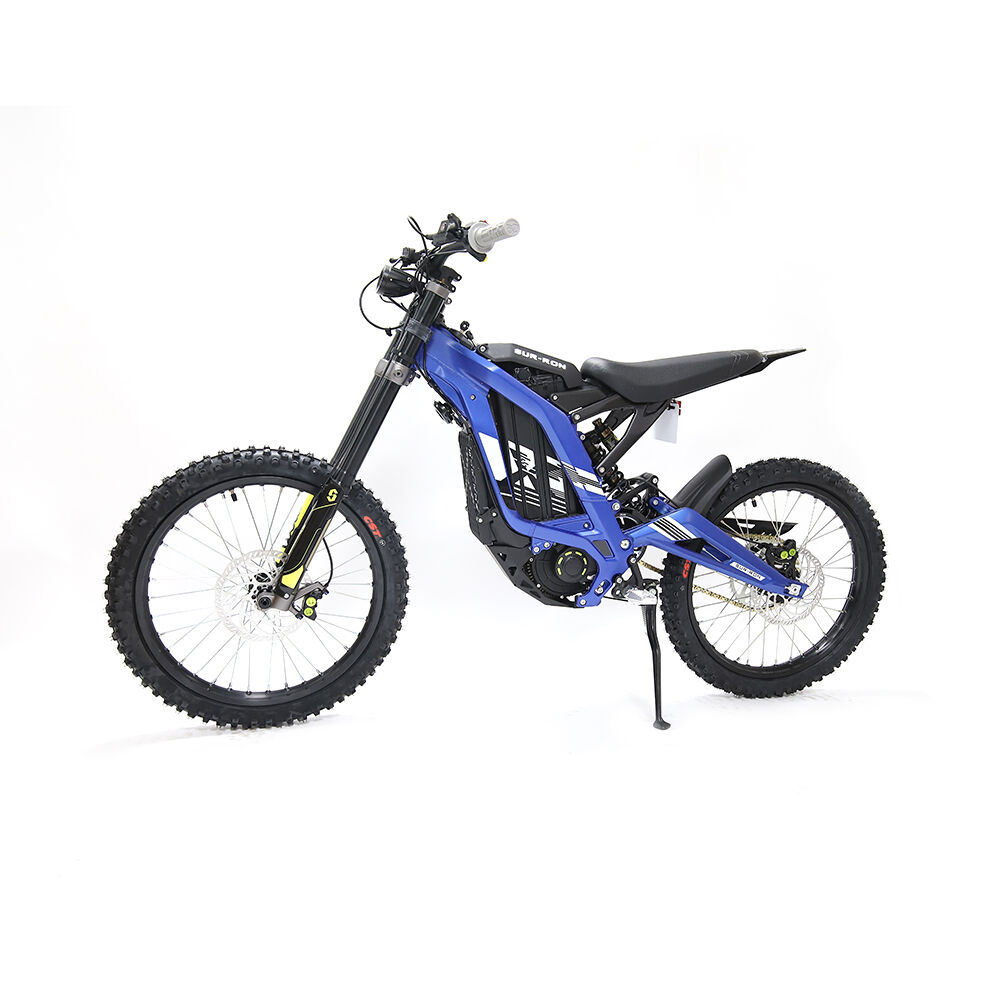
The debate between electric and combustion-engine off-road motorcycles has intensified as riders evaluate long-term ownership costs and maintenance demands. When comparing the Surron electric dirt bike to traditional KTM gas-powered models, the maintenance differential becomes a critical decision factor for both recreational riders and professionals. Understanding the mechanical complexity, service intervals, and consumable replacement schedules between these two platforms reveals substantial differences that directly impact total cost of ownership, downtime, and rider convenience over the vehicle's operational lifespan.
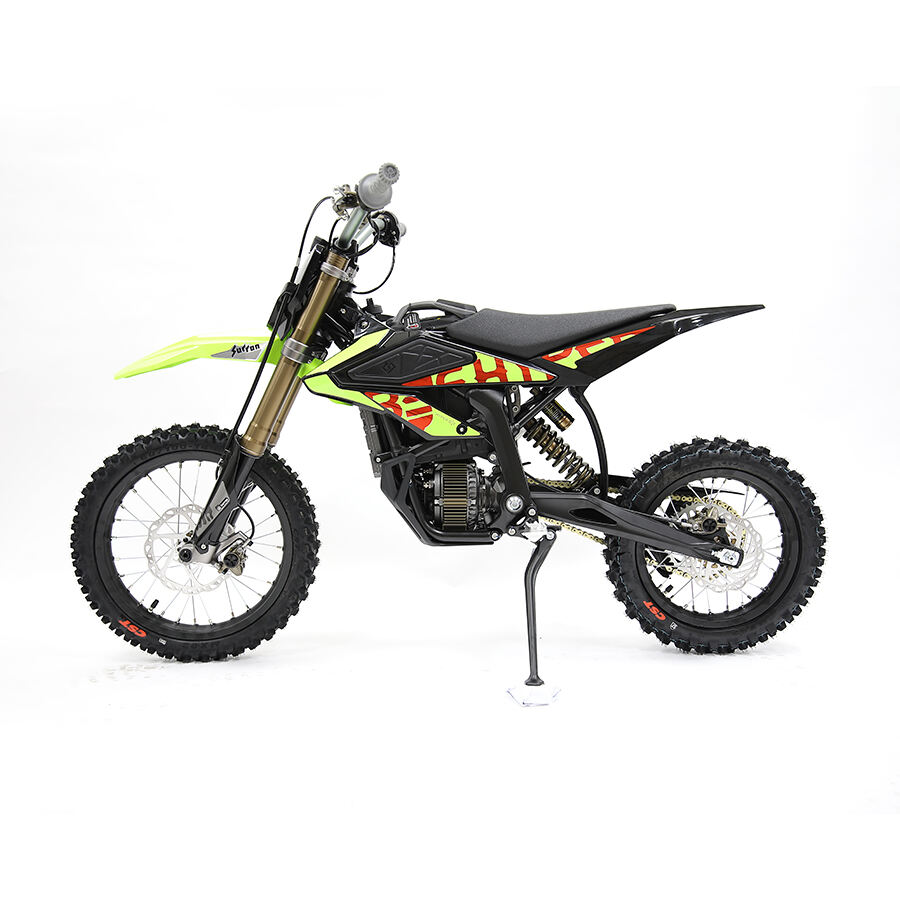
The fundamental architectural differences between electric and internal combustion powertrains create dramatically divergent maintenance requirements. A Surron electric dirt bike operates with approximately 20 moving parts in its drivetrain system, while a comparable KTM four-stroke engine contains over 200 precision-machined components requiring periodic inspection, adjustment, and replacement. This mechanical simplicity translates directly into reduced service frequency, lower parts expenditure, and decreased technical expertise required for routine upkeep. For riders evaluating practical ownership experience beyond initial purchase price, the maintenance equation often determines long-term satisfaction and operational viability across various use cases from trail riding to competitive racing applications.
Fundamental Maintenance Architecture Comparison
Drivetrain Complexity and Service Implications
The Surron electric dirt bike utilizes a brushless DC motor connected directly to the rear wheel through a simple chain reduction system, eliminating the need for clutch assemblies, gearbox maintenance, valve adjustments, and piston ring replacements. This direct-drive architecture requires only periodic chain lubrication and sprocket inspection, typically at 500-mile intervals depending on riding conditions. The electric motor itself contains sealed bearings designed for 10,000-hour operational life with zero routine service requirements beyond occasional visual inspection for housing integrity and cooling system debris removal.
In contrast, KTM dirt bikes employ multi-component internal combustion systems requiring oil changes every 10-15 hours of operation, air filter cleaning after each ride in dusty conditions, valve clearance checks every 20-30 hours, and piston replacement at 100-150-hour intervals for high-performance models. The fuel delivery system demands carburetor cleaning or fuel injection maintenance, spark plug replacement every 30 hours, and fuel filter changes to prevent contamination-related performance degradation. Each service interval represents not only parts cost but also downtime and either professional shop fees or significant owner labor investment.
Consumable Component Replacement Schedules
When evaluating the Surron electric dirt bike maintenance profile, the primary consumables consist of brake pads, tires, chain and sprockets, and suspension seals—all items equally necessary on KTM motorcycles. The absence of engine oil, oil filters, air filters, coolant, spark plugs, fuel filters, and exhaust system components eliminates entire categories of recurring expense. Over a typical 5,000-mile ownership period, a Surron owner avoids approximately 15-20 oil changes, 8-10 air filter replacements, 4-6 spark plug changes, and multiple coolant flushes that would be mandatory on equivalent displacement combustion models.
The battery pack on a Surron electric dirt bike does represent a significant long-term maintenance consideration, with lithium-ion cells typically retaining 80 percent capacity after 800-1,000 charge cycles. However, this degradation occurs gradually over 3-5 years of typical use without requiring interim maintenance, inspection, or adjustment. Battery management systems continuously monitor cell health and balance charge distribution automatically, eliminating the manual maintenance procedures associated with combustion engine tuning and adjustment. When eventual replacement becomes necessary, the battery swap procedure requires basic tools and approximately 30 minutes, compared to major engine rebuilds on combustion motorcycles that may require specialized equipment and professional mechanical expertise.
Operational Cost Analysis Over Ownership Lifecycle
Routine Maintenance Expense Projection
Quantifying the maintenance cost differential requires examining both parts expenditure and service labor across comparable usage patterns. A typical KTM four-stroke dirt bike accumulates $800-1,200 annually in routine maintenance costs including oil, filters, spark plugs, valve adjustments, and periodic top-end rebuilds for riders logging 100 hours of annual operation. Professional service labor adds $400-600 to this total for owners lacking mechanical expertise or specialized tools. The cumulative five-year maintenance expenditure for a KTM often reaches $6,000-9,000 before addressing any unexpected repairs or component failures.
By comparison, the Surron electric dirt bike incurs approximately $150-250 annually in routine maintenance covering chain lubrication, brake pad replacement, tire mounting, and suspension seal service—all items equally necessary on combustion motorcycles. The absence of engine-specific service requirements reduces five-year maintenance costs to approximately $1,000-1,500 for equivalent usage patterns. This $5,000-7,500 differential represents substantial savings that partially offset higher initial purchase prices for electric platforms while eliminating the recurring inconvenience of frequent service intervals disrupting riding schedules.
Unexpected Repair Probability and Cost Impact
Beyond scheduled maintenance, the reliability differential between electric and combustion powertrains significantly affects total ownership cost. Internal combustion engines contain numerous wear components susceptible to premature failure from improper jetting, contaminated fuel, inadequate lubrication, or overheating conditions. Common unexpected repairs on KTM dirt bikes include clutch replacement ($300-500), water pump seal failure ($150-300), stator or ignition system replacement ($200-400), and catastrophic engine damage from seizure or bearing failure ($1,500-3,000). These failure modes become increasingly probable as engines accumulate hours and approach recommended rebuild intervals.
The Surron electric dirt bike eliminates most mechanical failure modes associated with combustion engines, with the motor, controller, and battery pack representing the primary electrical components. Modern brushless motors demonstrate exceptional reliability with failure rates below 0.5 percent over typical ownership periods, while battery management systems protect lithium cells from damaging overcharge, over-discharge, and thermal stress conditions. When component failures do occur, modular architecture enables straightforward replacement of discrete systems rather than complex engine disassembly and precision machining procedures. The reduced failure probability and simplified repair procedures contribute significantly to lower total cost of ownership beyond scheduled maintenance savings.
Maintenance Skill Requirements and Owner Accessibility
Technical Expertise Needed for Routine Service
Performing maintenance on a Surron electric dirt bike requires minimal mechanical knowledge beyond basic hand tool operation and standard safety practices. Chain lubrication, brake pad inspection, tire pressure verification, and suspension adjustments can be accomplished by novice owners following straightforward procedures outlined in owner documentation. The absence of complex timing procedures, valve clearance measurements, carburetor tuning, or ignition system diagnostics eliminates the technical barriers that prevent many combustion motorcycle owners from performing their own maintenance work.
Conversely, proper KTM dirt bike maintenance demands substantial mechanical aptitude including precise valve clearance measurement using feeler gauges, correct torque specifications for critical fasteners, proper oil viscosity selection for ambient conditions, and carburetor jetting adjustments for altitude and temperature variations. Top-end rebuilds require measuring cylinder bore wear, selecting correct piston clearances, and precise timing chain installation following manufacturer specifications. These procedures necessitate specialized tools including torque wrenches, valve shim kits, piston ring compressors, and often digital micrometers for accurate measurement, representing significant investment beyond basic hand tool sets.
Service Location Flexibility and Downtime Reduction
The simplified maintenance requirements of the Surron electric dirt bike enable service completion in diverse locations without specialized facilities. Chain lubrication can occur at trailheads between riding sessions, brake adjustments require only basic hand tools portable in a backpack, and tire changes can be performed with compact tire irons and a portable compressor. This flexibility eliminates transportation to dedicated service facilities and allows maintenance scheduling around rider convenience rather than shop availability, significantly reducing total downtime from ownership.
KTM maintenance procedures often require stable work surfaces, organized parts storage, solvent tanks for cleaning components, and proper ventilation for hazardous materials including used oil, gasoline, and chain cleaning chemicals. Oil changes demand proper waste oil containment and disposal, valve adjustments require secure mounting to prevent movement during measurement, and carburetor work necessitates clean environments to prevent contamination of precision fuel passages. These facility requirements restrict service locations to equipped garages or professional shops, adding logistical complexity and scheduling constraints that extend downtime and reduce riding opportunity.
Environmental and Workspace Considerations
Hazardous Material Handling and Disposal
Maintaining a Surron electric dirt bike generates minimal hazardous waste beyond worn brake pads and depleted tires, both items equally produced by combustion motorcycles. The absence of petroleum-based fluids eliminates concerns about soil contamination, groundwater pollution, and proper hazardous waste disposal procedures that complicate home maintenance of conventional motorcycles. This simplified waste stream reduces environmental impact while eliminating the recurring expense and logistical complexity of transporting used oil, contaminated filters, and spent coolant to approved recycling facilities.
KTM dirt bike maintenance generates substantial hazardous waste including used engine oil containing heavy metal contaminants, oil-saturated filters, ethylene glycol coolant, gasoline residues, and solvent-contaminated cleaning materials. Proper disposal requires compliance with local environmental regulations, often mandating collection and transport to licensed recycling facilities. Many jurisdictions prohibit disposal of these materials in standard waste streams, creating compliance obligations that add complexity and potential liability to home maintenance procedures. Commercial service facilities incorporate disposal costs into labor rates, adding $10-20 per service to total maintenance expenditure.
Noise Impact During Maintenance Procedures
Service work on a Surron electric dirt bike occurs in near silence, enabling maintenance in residential areas, apartment complexes, and noise-sensitive locations without disturbing neighbors or violating local ordinances. Testing electrical systems after service requires only brief power activation producing minimal acoustic output, and diagnostic procedures can be performed during quiet hours without creating disturbance. This acoustic advantage extends maintenance accessibility to riders lacking dedicated shop spaces or rural properties where noise restrictions don't apply.
KTM maintenance procedures frequently require engine operation for carburetor tuning, idle adjustment, and post-service verification testing. These procedures generate 85-100 decibel sound levels that violate most residential noise ordinances, particularly during evening and weekend hours when riders have time available for maintenance work. The requirement for outdoor testing or soundproof facilities restricts service locations and creates potential conflicts with neighbors or property management in multi-family housing situations. Some riders resort to expensive commercial storage units or shop rentals specifically to avoid noise complaints associated with combustion engine maintenance.
Performance Consistency and Reliability Factors
Maintenance-Related Performance Degradation
The Surron electric dirt bike maintains consistent power delivery throughout service intervals with minimal performance degradation between maintenance procedures. Battery capacity gradually diminishes over hundreds of charge cycles, but this reduction occurs uniformly and predictably without sudden performance loss. Motor efficiency remains stable across operational life, and the absence of consumable engine components eliminates performance variations from worn piston rings, degraded valve seals, or fouled spark plugs that characterize combustion engine operation.
KTM dirt bikes experience measurable performance reduction as maintenance intervals approach. Air filter contamination restricts airflow reducing power output by 5-10 percent, worn piston rings decrease compression lowering torque production, and fouled spark plugs cause misfires and rough running. Oil degradation increases internal friction and heat generation, while valve clearance drift affects cam timing and combustion efficiency. These gradual degradations create a maintenance-dependent performance cycle where bikes feel progressively sluggish until service restores original power characteristics, contrasting with the consistent output profile of electric platforms.
Cold Weather Starting and Operational Reliability
Electric propulsion systems demonstrate superior cold-weather reliability compared to combustion engines, with the Surron electric dirt bike starting instantly in freezing conditions without warm-up requirements or cold-start enrichment procedures. Battery chemistry may reduce available capacity at extreme temperatures, but operation remains consistent without the carburetor icing, fuel atomization difficulties, or oil viscosity challenges that plague combustion motorcycles in cold environments. This reliability advantage eliminates pre-ride maintenance rituals and enhances operational readiness across diverse environmental conditions.
KTM cold-weather operation often requires carburetor adjustment for altitude and temperature, choke manipulation during warm-up, and extended idle periods before load application to prevent damage from inadequate lubrication circulation. Fuel system icing can block jets and passages, while thickened engine oil increases starting resistance and wear during initial operation. These cold-weather challenges necessitate additional maintenance procedures including seasonal oil changes, fuel stabilizer addition, and carburetor re-jetting, adding complexity and expense to ownership in temperate climates with significant seasonal temperature variation.
FAQ
How often does a Surron electric dirt bike need major service compared to a KTM?
A Surron electric dirt bike requires major service primarily for battery pack replacement after approximately 800-1,000 charge cycles, typically occurring every 3-5 years depending on usage patterns. Between battery replacements, only routine maintenance like chain lubrication, brake service, and tire replacement is necessary. KTM dirt bikes require major top-end engine rebuilds every 100-150 hours including piston replacement, valve inspection, and cylinder honing, with complete bottom-end rebuilds every 200-300 hours. For riders logging 100 annual hours, this translates to major KTM service annually or biannually versus once every several years for the Surron platform.
Can I perform Surron electric dirt bike maintenance myself without mechanical training?
Yes, the simplified mechanical architecture of the Surron electric dirt bike enables most routine maintenance procedures to be performed by owners with basic hand tools and minimal mechanical experience. Chain adjustment and lubrication, brake pad replacement, tire mounting, and suspension adjustment require only standard socket sets and hex keys following straightforward procedures. The absence of complex timing procedures, valve clearances, or carburetor tuning eliminates technical barriers that prevent many riders from maintaining combustion motorcycles independently. Battery pack replacement is the most complex procedure but remains accessible to mechanically inclined owners with appropriate safety precautions for high-voltage electrical systems.
What is the total five-year maintenance cost difference between Surron and KTM dirt bikes?
For equivalent usage patterns of approximately 100 annual riding hours, a KTM dirt bike typically accumulates $6,000-9,000 in maintenance costs over five years including routine service, consumable replacement, and major engine rebuilds. A Surron electric dirt bike incurs approximately $1,000-1,500 in maintenance costs for the same period covering chains, brake pads, tires, and suspension service, with battery replacement potentially adding $1,500-2,000 if capacity degradation necessitates replacement within the five-year timeframe. The net maintenance savings of $4,500-7,000 substantially offset higher initial purchase prices for electric platforms while providing convenience advantages from reduced service frequency and simplified procedures.
Does the Surron electric dirt bike require any specialized tools for maintenance?
Routine Surron electric dirt bike maintenance can be completed using standard metric socket sets, hex key assortments, and basic hand tools commonly available in general automotive tool collections. Chain maintenance requires a chain breaker tool for replacement, brake service needs appropriate hex sockets for caliper bolts, and suspension adjustments may benefit from a spanner wrench for preload collars. Battery pack replacement is the only procedure requiring specialized equipment, specifically insulated tools rated for high-voltage work and appropriate personal protective equipment. This contrasts sharply with KTM maintenance demanding specialized items including valve shim kits, precision feeler gauges, piston ring compressors, clutch holding tools, and carburetor synchronization equipment representing significant investment beyond basic tool sets.
Table of Contents
- Fundamental Maintenance Architecture Comparison
- Operational Cost Analysis Over Ownership Lifecycle
- Maintenance Skill Requirements and Owner Accessibility
- Environmental and Workspace Considerations
- Performance Consistency and Reliability Factors
-
FAQ
- How often does a Surron electric dirt bike need major service compared to a KTM?
- Can I perform Surron electric dirt bike maintenance myself without mechanical training?
- What is the total five-year maintenance cost difference between Surron and KTM dirt bikes?
- Does the Surron electric dirt bike require any specialized tools for maintenance?