 EN
EN

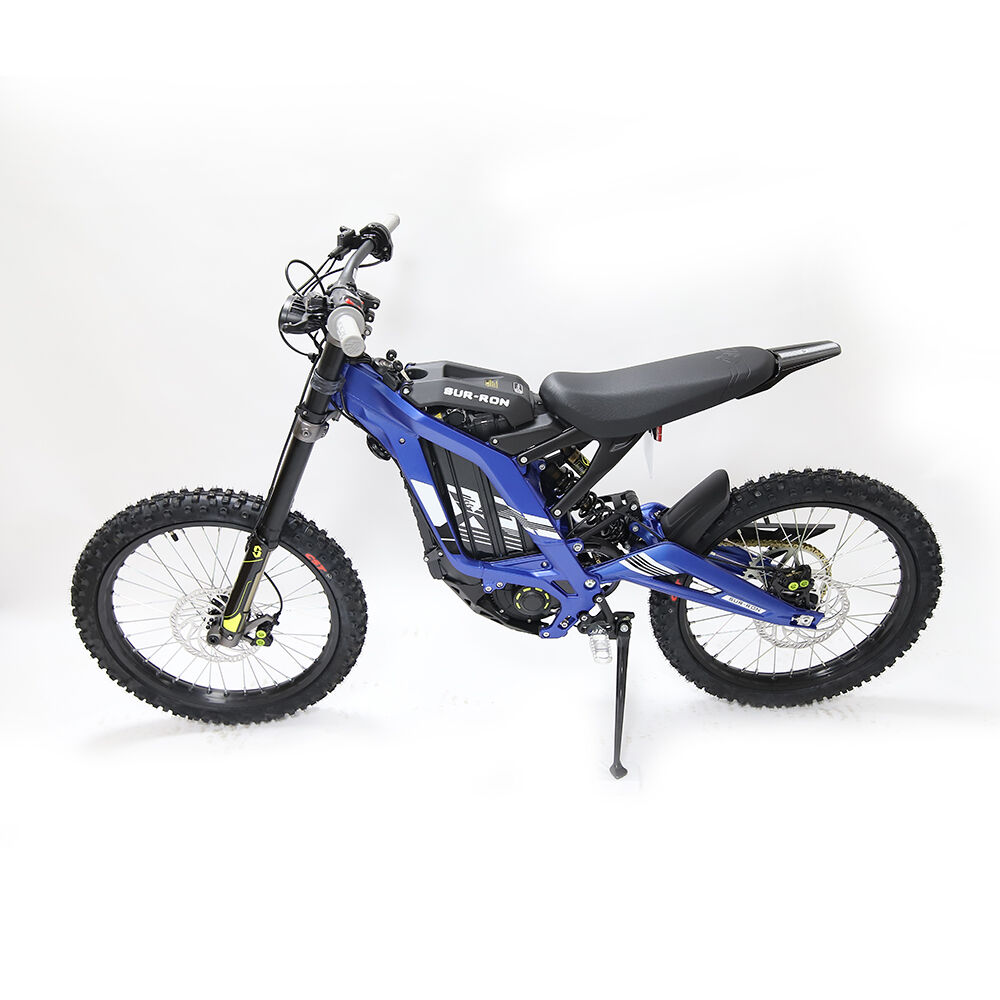
Backyard practice tracks have become essential training grounds for riders seeking to refine their skills without the hassle of traveling to distant motocross facilities. Whether you're a beginner learning fundamental techniques or an experienced rider perfecting advanced maneuvers, having a dedicated practice space at home transforms your training regimen. The challenge, however, lies in finding a motorcycle that delivers authentic dirt bike performance while respecting the practical constraints of residential environments. This is precisely where the Surron electric dirt bike emerges as an exceptional solution, combining competition-grade capabilities with characteristics that make it uniquely suited for backyard riding scenarios.
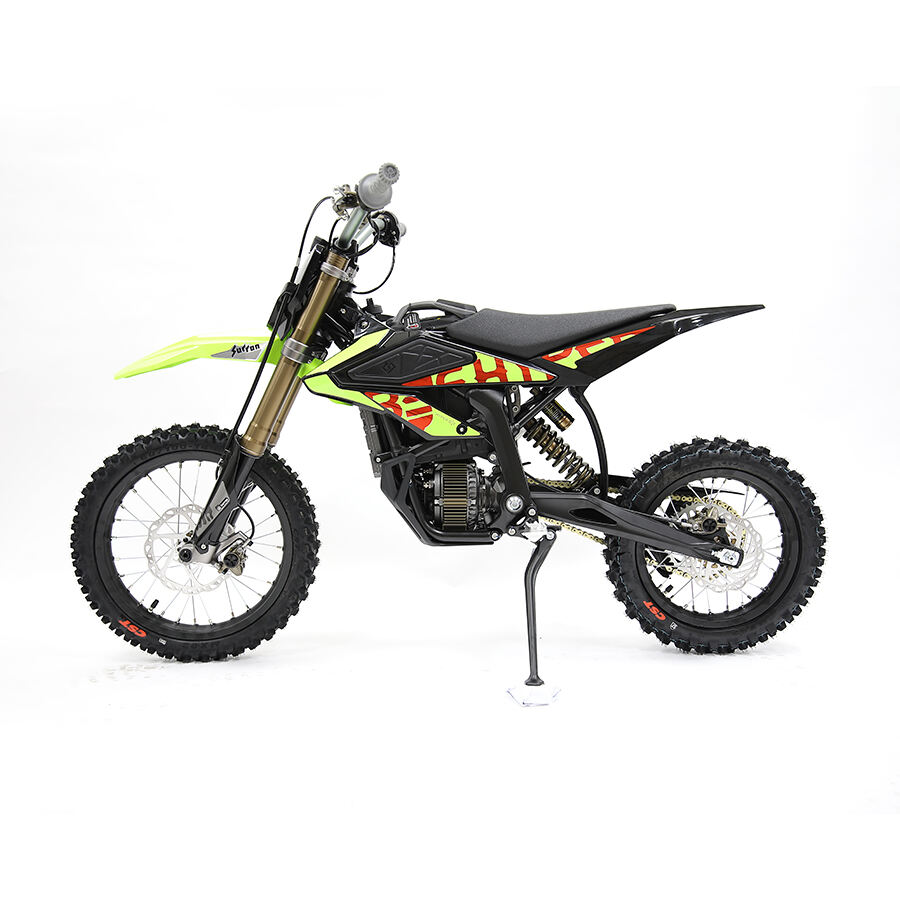
The growing popularity of electric motorcycles in off-road applications reflects a fundamental shift in how riders approach skill development and recreational riding. Traditional gas-powered dirt bikes, while powerful and thrilling, bring inherent limitations that become particularly problematic in residential settings. Noise complaints from neighbors, fuel storage concerns, emission regulations, and the constant maintenance demands of combustion engines create barriers that discourage consistent practice. The Surron electric dirt bike addresses these pain points systematically while maintaining the performance characteristics that make dirt bike riding genuinely rewarding. Understanding why this electric platform excels in backyard environments requires examining the specific advantages it brings to confined practice scenarios.
Performance Characteristics Perfectly Matched to Limited Space Training
Instant Torque Delivery for Technical Skill Development
The electric powertrain architecture of the Surron electric dirt bike provides instantaneous torque response that proves invaluable when practicing technical maneuvers in confined spaces. Unlike combustion engines that require clutch modulation and precise throttle control to manage power delivery, electric motors deliver maximum torque from zero RPM. This characteristic enables riders to execute precise movements during slow-speed technical sections, tight turns, and obstacle navigation that characterize most backyard practice tracks. The predictable power delivery eliminates the guesswork associated with clutch engagement points and power band transitions, allowing riders to focus entirely on body positioning, balance, and line selection.
For backyard practice scenarios where space constraints demand frequent speed adjustments and directional changes, this torque characteristic translates to superior control. Riders can accelerate out of tight corners with confidence, knowing the power delivery will be smooth and progressive rather than abrupt or peaky. The absence of engine braking typical in gas bikes also changes the riding dynamic, encouraging riders to develop more refined braking techniques and momentum management skills. These qualities make the Surron electric dirt bike particularly effective for riders working on foundational skills that require repetitive practice in small areas.
Adjustable Power Modes for Progressive Skill Building
Modern electric dirt bikes incorporate sophisticated power management systems that allow riders to tailor performance characteristics to their skill level and training objectives. The Surron electric dirt bike typically features multiple power modes that restrict maximum speed and throttle response, creating a graduated learning environment within your backyard practice track. Beginners can start in reduced power modes that limit top speed to manageable levels while they develop fundamental riding techniques, then progressively unlock higher performance as their skills advance.
This adjustability proves particularly valuable in backyard settings where track dimensions remain fixed but rider capabilities evolve over time. A practice track that initially seems adequately sized for a novice rider in beginner mode transforms into a more challenging technical course as the rider advances to intermediate and expert power settings. This scalability extends the useful life of your backyard facility and eliminates the need for constant track redesigns to maintain appropriate challenge levels. Parents training young riders especially appreciate this feature, as it allows a single motorcycle to serve riders across multiple years of development without requiring equipment upgrades.
Compact Dimensions and Manageable Weight for Tight Maneuvering
Backyard practice tracks rarely offer the expansive layouts found at dedicated motocross facilities, making motorcycle dimensions and weight critical considerations. The Surron electric dirt bike maintains relatively compact proportions compared to full-sized combustion dirt bikes, with a lower seat height and narrower profile that facilitates maneuvering in confined spaces. The centralized battery placement creates a low center of gravity that enhances stability during tight turns and technical sections, making the bike feel planted and controllable even when navigating challenging terrain features.
Weight management becomes particularly important when riders need to pick up a dropped motorcycle or reposition equipment within limited backyard spaces. While electric dirt bikes carry battery mass that somewhat offsets the weight savings from eliminating combustion components, the Surron electric dirt bike achieves a practical balance that most riders can manage comfortably. The weight distribution also contributes to predictable handling characteristics that help riders develop proper technique rather than fighting an unwieldy machine. These physical attributes make the motorcycle genuinely practical for the repetitive practice sessions that backyard tracks facilitate.
Environmental and Social Advantages for Residential Settings
Noise Reduction That Preserves Neighborhood Relationships
Perhaps the most transformative advantage the Surron electric dirt bike brings to backyard practice scenarios involves its dramatically reduced noise output. Traditional gas-powered dirt bikes generate sound levels that typically range from 85 to 115 decibels, creating disturbances that extend hundreds of yards beyond property boundaries. This noise pollution not only annoys neighbors but frequently violates local noise ordinances, limiting practice opportunities to specific hours or prohibiting backyard riding entirely. The near-silent operation of electric motorcycles fundamentally changes this equation, producing operational sounds in the 60 to 75 decibel range that dissipate rapidly with distance.
This acoustic advantage translates directly to expanded practice opportunities and improved community relations. Riders can utilize their backyard tracks during early morning or evening hours without disturbing neighbors, maximizing training time around school and work schedules. The reduced noise also decreases stress for both riders and observers, creating a more focused learning environment where instructional communication doesn't require shouting over engine noise. For families in suburban or semi-rural areas where property sizes permit riding but noise concerns previously prevented it, the Surron electric dirt bike effectively unlocks backyard practice possibilities that were previously impractical.
Zero Direct Emissions for Environmentally Conscious Training
The environmental profile of electric motorcycles extends beyond noise reduction to include complete elimination of direct exhaust emissions. Gas-powered dirt bikes emit unburned hydrocarbons, carbon monoxide, nitrogen oxides, and particulate matter directly into the immediate riding environment. In confined backyard settings, these emissions can create localized air quality concerns, particularly for riders, observers, and nearby residents with respiratory sensitivities. The Surron electric dirt bike produces zero direct emissions during operation, creating a cleaner training environment that aligns with increasing environmental awareness among riders and communities.
This emission-free operation also eliminates the characteristic exhaust smell associated with combustion engines, another factor that can generate neighbor complaints in residential areas. The absence of fuel combustion means riders don't inhale exhaust fumes during practice sessions, a health consideration that becomes particularly relevant during extended training periods in relatively confined spaces. While the electricity used to charge electric motorcycles does carry an indirect environmental footprint depending on grid composition, the elimination of point-source emissions in residential areas represents a meaningful environmental improvement that supports sustainable backyard practice activities.
Simplified Fuel Storage and Safety Considerations
Operating gas-powered dirt bikes in backyard environments necessitates storing flammable fuel on residential property, creating safety concerns and potential insurance complications. Gasoline storage requires appropriate containers, ventilation, and separation from living spaces to minimize fire risks and vapor exposure. The Surron electric dirt bike eliminates these concerns entirely by operating on electrical energy that presents no flammability hazards. Charging equipment connects to standard residential electrical outlets, requiring no specialized fuel handling or storage infrastructure.
This simplified energy management reduces both safety risks and logistical complications associated with backyard motorcycle operation. Riders don't need to maintain fuel supplies, mix two-stroke oil ratios, or deal with fuel degradation during periods of inactivity. The elimination of fuel-related maintenance tasks also means riders spend more time actually practicing and less time on support activities. For parents supervising young riders, the absence of flammable fuel provides additional peace of mind, particularly when motorcycles are stored in garages attached to residential structures.
Practical Maintenance Benefits for Consistent Training Schedules
Minimal Routine Maintenance Requirements
Consistent practice schedules drive skill development, but traditional dirt bikes demand regular maintenance that can interrupt training routines. Combustion engines require frequent oil changes, air filter cleaning, spark plug replacement, valve adjustments, and carburetor tuning to maintain performance. These maintenance demands increase significantly when bikes receive frequent use on dusty backyard tracks, potentially requiring attention every few riding sessions. The Surron electric dirt bike dramatically reduces maintenance burden by eliminating most combustion engine service requirements.
Electric powertrains contain far fewer moving parts than combustion engines, with the motor, controller, and battery requiring minimal routine service. Basic maintenance focuses primarily on chain lubrication, brake inspection, tire pressure monitoring, and suspension care—tasks that remain necessary regardless of power source but represent a fraction of the service burden associated with gas engines. This maintenance simplicity means the Surron electric dirt bike spends more time available for practice and less time in the garage awaiting service. For riders maintaining consistent training programs, this reliability advantage directly translates to more saddle time and faster skill progression.
Reduced Operating Costs Over Time
While electric dirt bikes typically carry higher initial purchase prices than comparable gas models, their operating cost structure shifts dramatically in favor of electric power over the ownership period. Electricity costs substantially less than gasoline on a per-mile basis, with typical charging costs representing a fraction of fuel expenses for equivalent riding. The Surron electric dirt bike can usually be fully charged for less than the cost of a single gallon of premium gasoline, yet deliver comparable or superior riding range for backyard practice sessions.
Beyond energy costs, the reduced maintenance requirements of electric powertrains eliminate ongoing expenses for oil, filters, spark plugs, and combustion engine consumables. The absence of complex carburetion or fuel injection systems eliminates related service costs and potential repair expenses. For riders who practice frequently on their backyard tracks, these accumulated savings become substantial over time, eventually offsetting much of the initial price premium. The economic advantage grows particularly pronounced when multiple family members use the motorcycle, multiplying the utilization rate and accelerating the payback period on the investment.
Immediate Readiness Without Warm-Up Procedures
Gas-powered dirt bikes require warm-up periods before delivering full performance, particularly in cold weather conditions. Riders must start engines, allow oil to circulate, and gradually bring components to operating temperature before aggressive riding begins. This startup ritual consumes time and adds friction to spontaneous practice opportunities. The Surron electric dirt bike eliminates these delays entirely, achieving full operational readiness the moment the rider twists the throttle.
This instant-on capability proves particularly valuable for backyard practice scenarios where riders might have limited available time windows. A rider with thirty minutes of free time can immediately begin productive practice rather than spending the first five minutes warming up equipment. The elimination of startup procedures also encourages more frequent short practice sessions, as the barrier to getting on the bike becomes negligible. For skill development, frequent brief sessions often prove more effective than infrequent extended rides, making the instant readiness of the Surron electric dirt bike a subtle but meaningful training advantage.
Design Features That Enhance Backyard Training Effectiveness
Regenerative Braking for Extended Practice Sessions
Advanced electric motorcycles incorporate regenerative braking systems that convert kinetic energy back into stored electrical energy during deceleration. The Surron electric dirt bike utilizes this technology to extend riding range and modify handling characteristics in ways that benefit backyard practice applications. When riders close the throttle or apply brakes, the motor functions as a generator, recovering energy that would otherwise dissipate as heat while simultaneously providing controllable deceleration force.
This regenerative function serves dual purposes in backyard practice environments. First, it extends the available riding time between charges by recapturing energy during the frequent deceleration events that characterize technical riding in confined spaces. Second, it provides an additional dimension of speed control that riders can modulate through throttle position, creating a more connected feel between rider inputs and motorcycle response. The regenerative braking effect can be tuned through controller settings, allowing riders to customize the feel to match their preferences and training objectives.
Durable Construction Suited to Repetitive Training Impacts
Backyard practice tracks subject motorcycles to repetitive impacts from jumps, bumps, and occasional crashes as riders push their limits in skill development. The Surron electric dirt bike incorporates robust frame construction and quality suspension components designed to withstand the punishment of aggressive off-road riding. The sealed motor and controller assemblies resist dirt and moisture intrusion, maintaining reliable operation even in dusty backyard environments where fine particles pervade the air during dry conditions.
The battery pack receives particular attention in durability design, as it represents both the most expensive component and a potential vulnerability in crash scenarios. Quality electric dirt bikes position battery assemblies within protective framework structures and utilize impact-resistant enclosures to minimize damage risks. The Surron electric dirt bike follows these design principles, creating a package that can endure the learning process without requiring constant repairs. This durability proves essential for backyard practice applications where riders may drop or crash the motorcycle multiple times during skill acquisition phases.
Customization Potential for Evolving Training Needs
As riders progress through skill levels, their equipment needs evolve to match their developing capabilities. The Surron electric dirt bike platform supports various customization options that allow the motorcycle to grow with the rider's abilities. Suspension components can be upgraded or retuned to accommodate different rider weights and riding styles. Tire selections can be optimized for specific terrain conditions present in backyard practice tracks. Controller programming can be modified to adjust power delivery characteristics, throttle response curves, and regenerative braking strength.
This customization potential extends the useful life of the motorcycle and maintains its relevance as training demands change. A bike initially configured for a novice rider learning basic skills can be progressively modified to challenge an advancing intermediate rider without requiring complete equipment replacement. For families with multiple riders at different skill levels, the ability to adjust configuration settings allows a single Surron electric dirt bike to serve various users effectively. This adaptability represents a practical economic advantage that complements the motorcycle's inherent suitability for backyard practice applications.
FAQ
How long does the battery last during typical backyard practice sessions?
Battery endurance varies based on riding intensity, terrain characteristics, and rider weight, but the Surron electric dirt bike typically provides 45 to 90 minutes of continuous riding on a full charge during backyard practice scenarios. Most practice sessions involve intermittent riding with breaks for rest, instruction, and track adjustments, effectively extending the useful session duration. The regenerative braking system also recovers energy during deceleration, particularly beneficial in backyard tracks where frequent speed changes occur. For most recreational riders, this range proves more than adequate for productive practice sessions before fatigue sets in. Riders can also keep a spare charged battery available for immediate swapping if extended sessions are desired, though this represents an additional investment.
Can the Surron electric dirt bike handle jumps and rough terrain features in backyard tracks?
The Surron electric dirt bike incorporates quality suspension components and robust frame construction specifically designed for aggressive off-road riding including jumps, berms, and technical terrain features. The suspension travel typically ranges from 200 to 250 millimeters front and rear, providing adequate compression and rebound capability for moderate-sized jumps commonly found in backyard practice tracks. The low center of gravity created by battery placement enhances stability during aerial maneuvers and landings. While the motorcycle performs capably across most backyard practice scenarios, riders should match jump sizes and terrain features to their skill level and the motorcycle's specifications. Proper landing technique and appropriate speed remain essential regardless of equipment quality.
What charging infrastructure is needed to support regular backyard practice?
The Surron electric dirt bike utilizes standard residential electrical service for charging, requiring no specialized electrical infrastructure beyond what exists in typical homes. The included charger connects to conventional household outlets and fully replenishes the battery in approximately four to six hours depending on the specific model and battery capacity. For riders who practice frequently, installing a dedicated charging station in the garage creates convenient battery management, though this remains optional rather than necessary. Some riders maintain multiple batteries to eliminate downtime between sessions, though the relatively quick charging time means overnight charging between practice days proves sufficient for most usage patterns. The electrical consumption remains modest, adding minimally to monthly utility costs even with frequent charging.
Is the Surron electric dirt bike suitable for both children and adults on the same backyard track?
The adjustable power modes and scalable performance characteristics make the Surron electric dirt bike unusually versatile across different rider sizes and skill levels. The multiple power settings allow the same motorcycle to serve a young rider learning fundamental skills in beginner mode and an adult practicing advanced techniques in expert mode. The seat height and control ergonomics accommodate a broad range of rider sizes, though very small children may require aftermarket modifications for optimal fit. Families sharing a backyard practice track among multiple riders find this versatility particularly valuable, as it eliminates the need to maintain separate motorcycles for different family members. The instant adjustability of power modes means transitioning between riders takes seconds rather than requiring mechanical modifications, making shared use genuinely practical for household training scenarios.
Table of Contents
- Performance Characteristics Perfectly Matched to Limited Space Training
- Environmental and Social Advantages for Residential Settings
- Practical Maintenance Benefits for Consistent Training Schedules
- Design Features That Enhance Backyard Training Effectiveness
-
FAQ
- How long does the battery last during typical backyard practice sessions?
- Can the Surron electric dirt bike handle jumps and rough terrain features in backyard tracks?
- What charging infrastructure is needed to support regular backyard practice?
- Is the Surron electric dirt bike suitable for both children and adults on the same backyard track?