 EN
EN

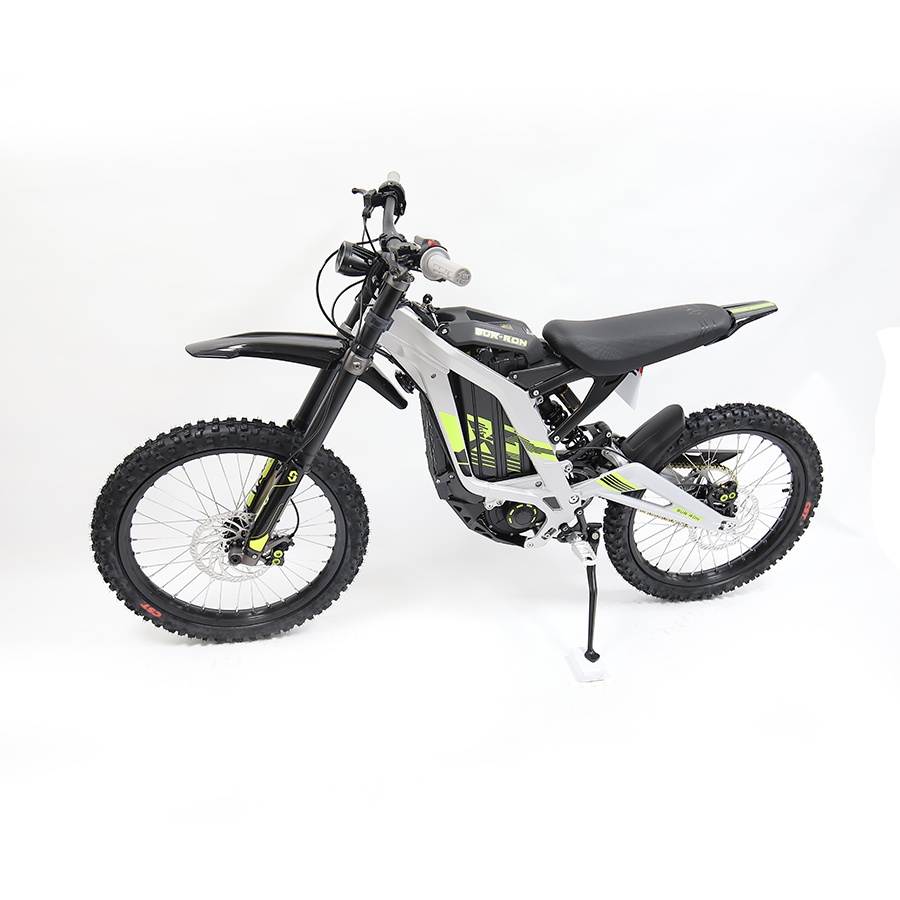
Switching from a gas-powered machine to an electric dirt bike is one of the most dramatic shifts a rider can make, and the change is not just about performance or noise levels. One of the biggest and most underappreciated benefits is the dramatic reduction in routine maintenance. Riders who have spent years scheduling oil changes, tuning carburetors, and replacing air filters will find that the electric dirt bike simply eliminates most of those tasks entirely.
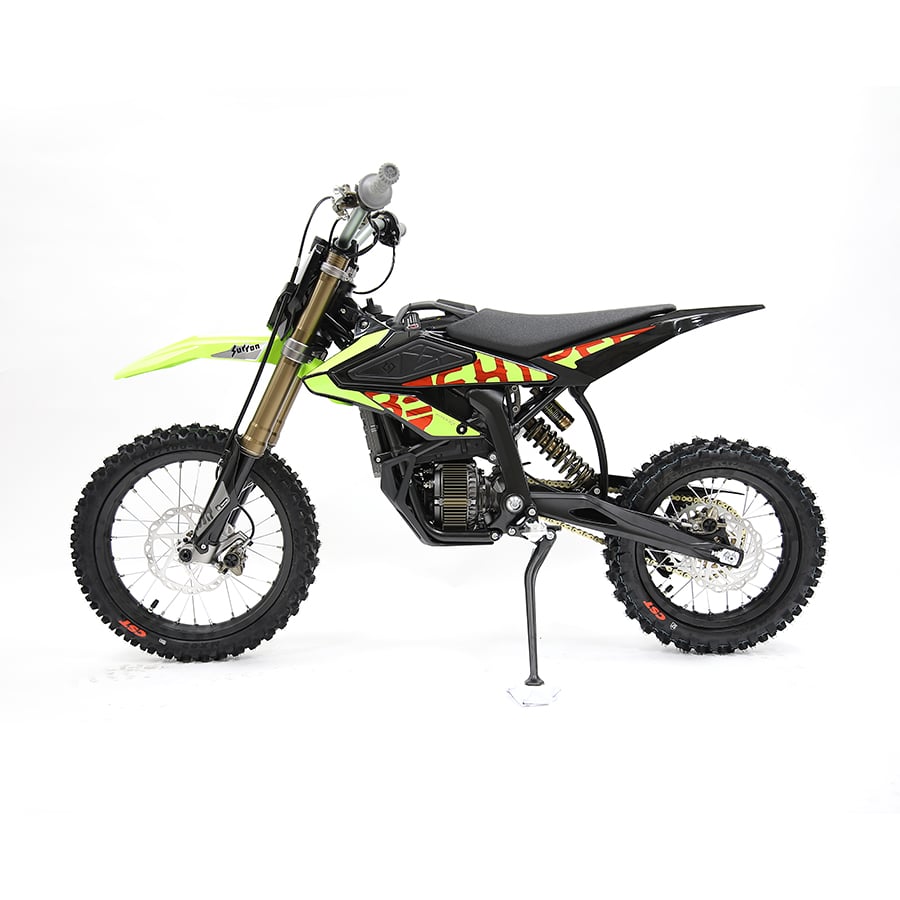
The electric dirt bike operates on a fundamentally different mechanical principle than its gas counterpart. Without an internal combustion engine, there is no oil system, no fuel delivery system, and no complex ignition timing to manage. This is not a minor convenience — it represents a structural shift in how riders relate to their machines. Understanding exactly which maintenance tasks disappear helps riders set realistic expectations and fully appreciate the long-term value of owning an electric dirt bike.
Engine-Related Maintenance That No Longer Applies
Oil Changes and Lubrication Schedules
On a gas-powered dirt bike, engine oil degrades rapidly under heat and mechanical stress. Every electric dirt bike removes this concern entirely. There is no crankcase, no oil pump, and no need to track mileage between oil changes. Riders who used to budget time and money every few riding sessions for fresh oil and filter replacements can now redirect both resources. The electric dirt bike motor is sealed and self-contained, requiring no liquid lubrication management from the rider.
This single elimination alone saves a significant amount of annual upkeep time. Oil-related tasks on gas bikes include draining old fluid, replacing drain plugs, swapping filters, and properly disposing of used oil. The electric dirt bike skips all of it by design.
Carburetor and Fuel System Cleaning
The carburetor is one of the most finicky components on any gas dirt bike. It must be tuned for altitude, temperature, and fuel quality. An electric dirt bike has no carburetor, no jets, no fuel injectors, and no fuel lines to inspect. The entire fuel delivery system simply does not exist on an electric dirt bike. Riders no longer need to drain the carb before storage, clean varnish buildup from jets, or rejet after riding at high elevation.
Fuel-related tasks also disappear. There is no ethanol-blended gasoline sitting in a tank and degrading over the winter. Storing an electric dirt bike for months does not require fuel stabilizer or a drained tank. This makes seasonal storage dramatically simpler.
Air, Exhaust, and Cooling System Tasks
Air Filter Maintenance and Intake Service
Gas dirt bikes require regular air filter inspection and cleaning, especially after riding in dusty or muddy terrain. Foam filters need to be washed, oiled, and reinstalled with care to prevent dirt ingestion into the engine. An electric dirt bike does not rely on an air-breathing combustion cycle, so there is no intake air filter to maintain in the traditional sense. The motor draws no air for combustion, meaning the entire intake servicing routine is irrelevant for an electric dirt bike.
Some electric dirt bike models include ventilation pathways for motor cooling, but these are passive and require no regular service interval. The burden of air filter maintenance — checking, cleaning, re-oiling, and replacing — is simply gone.
Exhaust System Inspection and Packing
Gas bikes generate exhaust gases that must be routed through a header, mid-pipe, and silencer. The packing inside the silencer degrades over time and must be replaced to maintain sound levels and back pressure. An electric dirt bike produces no exhaust. There is no header to inspect for cracks, no silencer to repack, and no exhaust gaskets to replace. This also eliminates exposure to carbon buildup on the pipe and the heat-related hardware fatigue that comes with gas exhaust systems. The electric dirt bike is cleaner and quieter because the exhaust system simply does not exist.
Ignition, Starting, and Ancillary Systems
Spark Plugs, Ignition Timing, and Valves
Gas engines depend on precise ignition timing and functioning spark plugs to fire correctly. Spark plugs foul over time and must be inspected and replaced on a schedule. An electric dirt bike has no spark plugs, no distributor, no ignition coil in the combustion sense, and no valvetrain requiring periodic clearance checks. Valve adjustments are one of the more time-consuming tasks on four-stroke gas dirt bikes, often requiring a full top-end disassembly to access shims or adjust tappets. The electric dirt bike eliminates all of this because its motor has no valves, camshafts, or combustion chamber to maintain.
The starting system is also simplified. There is no kickstarter technique to master, no cold-start choke procedure, and no concern about a flooded engine. Riders simply power on the electric dirt bike and go, regardless of temperature or idle warm-up requirements.
Coolant System and Radiator Service
Liquid-cooled gas dirt bikes add another layer of maintenance — coolant flushes, radiator hose inspection, thermostat testing, and water pump seal replacement. Most modern electric dirt bike designs use air or passive thermal management for the motor, bypassing the need for a pressurized coolant circuit. There is no radiator to flush, no coolant to dispose of responsibly, and no hoses to check for cracks before every season. The electric dirt bike simplifies the entire thermal management picture.
FAQ
Does an electric dirt bike still require any maintenance?
Yes, an electric dirt bike still requires some maintenance. Chain lubrication, brake pad inspection, tire pressure checks, and battery care are all part of routine upkeep. However, the list is far shorter than what a gas bike demands, and many of the most time-intensive tasks are completely eliminated on an electric dirt bike.
How does battery maintenance compare to engine maintenance on a gas bike?
Battery care on an electric dirt bike is straightforward. Riders should avoid full discharge cycles, store the electric dirt bike at a partial charge during long breaks, and keep the battery away from extreme temperatures. Compared to managing oil, fuel, and ignition systems on a gas bike, battery maintenance is far less technical and far less frequent.
Is an electric dirt bike easier for beginners to maintain?
Absolutely. The electric dirt bike removes the mechanical complexity that often intimidates new riders. Without carburetors, spark plugs, valve adjustments, or oil systems to manage, beginners can focus on riding skills rather than workshop procedures. The reduced maintenance burden makes the electric dirt bike an excellent choice for riders of all experience levels.