 EN
EN

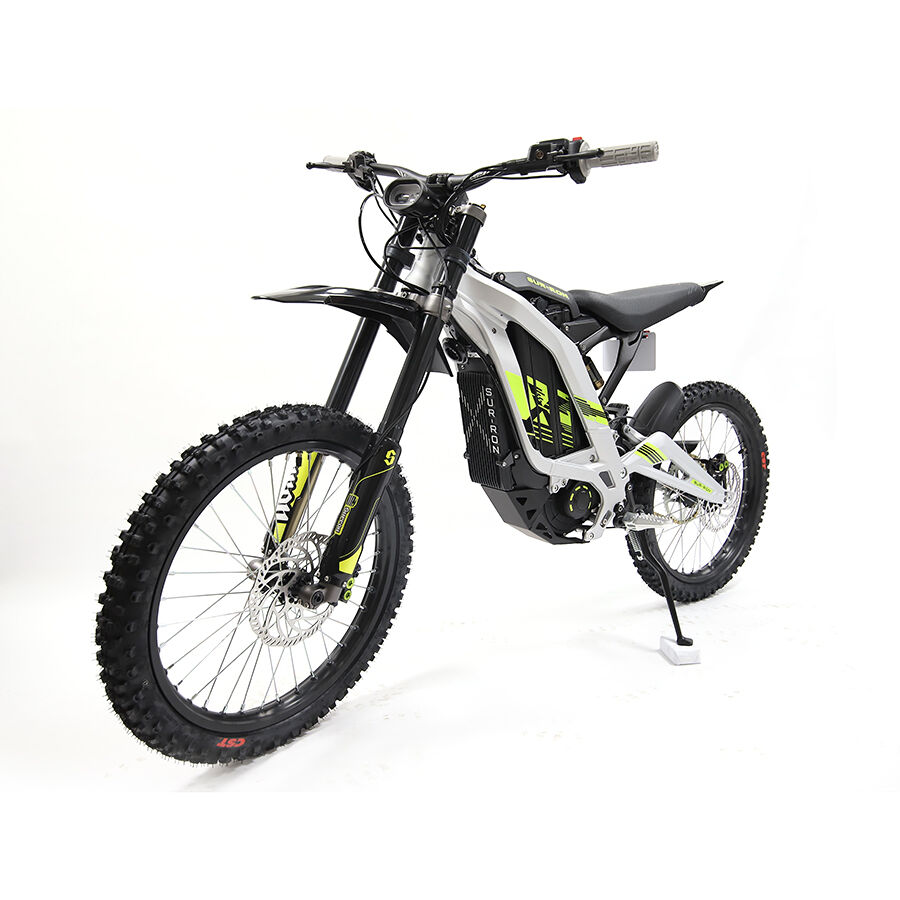
Riding the Surron Ultra Bee across rocky trails demands more than raw power and throttle control—it requires a suspension system finely tuned to absorb impacts, maintain traction, and preserve rider comfort over unpredictable terrain. Whether you're navigating boulder-strewn paths, technical descents, or high-speed trail sections with embedded rocks, the factory suspension settings rarely provide the optimal balance for aggressive off-road use. Understanding how to systematically adjust the Surron Ultra Bee suspension transforms your electric motorcycle from a capable machine into a trail-conquering tool that responds precisely to your weight, riding style, and the specific demands of rocky terrain.
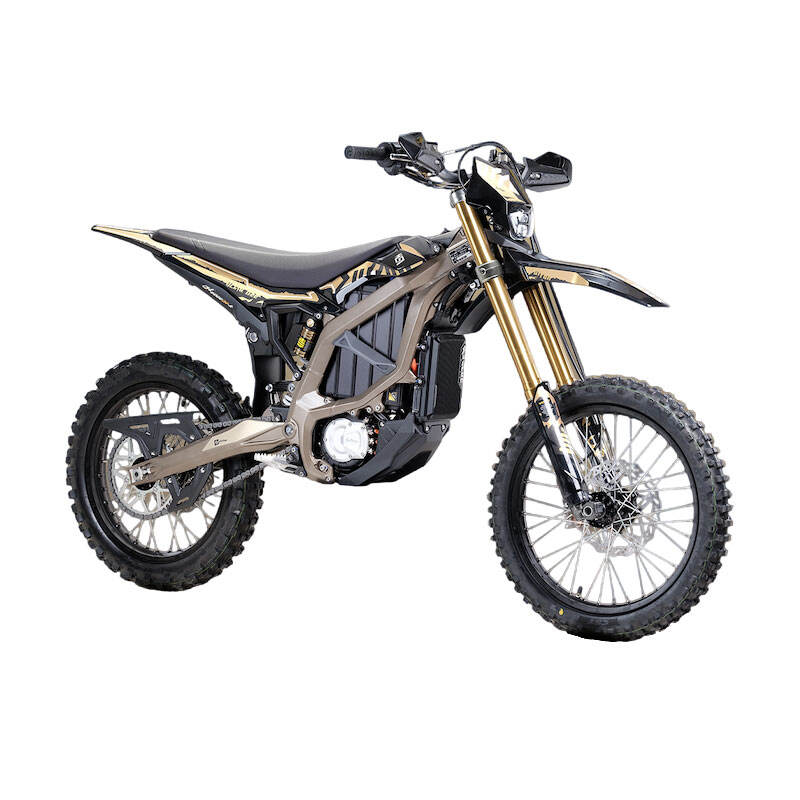
The suspension adjustment process for rocky trail conditions focuses on three critical parameters: spring preload, compression damping, and rebound damping. Each parameter influences how the suspension responds to trail impacts, how quickly it recovers from compression, and how effectively it maintains tire contact with irregular surfaces. For the Surron Ultra Bee, which features high-performance inverted front forks and a rear monoshock system, proper adjustment begins with establishing correct sag measurements, then progressively refining damping characteristics based on trail feedback. This methodical approach ensures your suspension works cohesively with the bike's 21kW motor output and substantial weight, delivering predictable handling even when terrain challenges your machine's capabilities.
Understanding Surron Ultra Bee Suspension Architecture for Trail Performance
Front Fork Design and Adjustment Range
The Surron Ultra Bee suspension utilizes inverted cartridge forks with independent compression and rebound adjustment capabilities, providing riders with precise control over front-end behavior. The fork architecture incorporates damping rods with adjustable oil flow passages, allowing you to modify how quickly the suspension compresses under impact and how rapidly it extends after absorbing a hit. For rocky trail applications, understanding the fork's adjustment range becomes essential—typically offering 15-20 clicks of rebound adjustment and 10-15 clicks of compression adjustment from their baseline settings. This range enables fine-tuning for varying rock sizes, trail speeds, and rider preferences without requiring internal modifications.
The fork's spring rate comes factory-set for average rider weights, but rocky terrain often demands modified preload to prevent excessive fork dive during aggressive braking on descents or when impacting larger obstacles. The adjustment mechanism, located at the top of each fork leg, allows for preload modification without disassembly. When preparing your Surron Ultra Bee suspension for rocky trails, begin by setting both forks to identical settings to maintain balanced front-end response. Asymmetric settings can cause steering instability when navigating through rock gardens where precise handlebar input determines your line choice.
Rear Shock Configuration and Rocky Terrain Demands
The rear monoshock system on the Surron Ultra Bee suspension delivers progressive damping characteristics through a linkage-actuated design that modifies the shock's leverage ratio throughout its stroke. This progressive characteristic becomes particularly valuable on rocky trails, where small bumps require supple initial movement while larger impacts demand resistance to prevent harsh bottoming. The shock features external adjusters for compression damping, rebound damping, and spring preload, with the preload adjuster typically offering a range sufficient for rider weight variations from 150 to 250 pounds when properly configured for trail use.
Rocky trail conditions place unique demands on rear suspension because the rear wheel must maintain traction for both propulsion and braking while simultaneously absorbing impacts that would otherwise unsettle the chassis. Unlike smooth terrain where suspension can remain relatively firm, rocky trails require increased compliance to allow the rear wheel to track over irregular surfaces. The Surron Ultra Bee's rear shock must balance this compliance with sufficient damping control to prevent excessive energy storage and release, which manifests as a pogo-stick sensation when traversing consecutive rock faces. Achieving this balance requires understanding how compression and rebound adjustments interact with the linkage geometry throughout the suspension's travel range.
Weight Distribution and Its Impact on Suspension Setup
The Surron Ultra Bee carries substantial weight in its battery pack and motor assembly, creating a weight distribution that differs significantly from traditional combustion motorcycles. This weight concentration affects how the suspension responds to trail forces, particularly during dynamic load transfers when accelerating out of rocky sections or braking before technical features. The front-rear weight distribution shifts more dramatically under power delivery due to the electric motor's instant torque characteristics, requiring suspension settings that accommodate these rapid load changes without sacrificing bump absorption capability.
When adjusting Surron Ultra Bee suspension for rocky terrain, accounting for rider weight becomes critical for establishing the proper sag measurements that serve as the foundation for all subsequent adjustments. A heavier rider compresses the suspension more under static conditions, reducing available travel for absorbing trail impacts. Conversely, lighter riders may find the stock spring rates too stiff, preventing the suspension from reaching its optimal operating range where damping circuits function most effectively. This weight-dependent behavior necessitates a customized approach where suspension adjustments reflect both the bike's inherent characteristics and the combined weight of rider and any gear carried during trail sessions.
Establishing Baseline Sag Measurements for Rocky Trail Riding
Static Sag Measurement and Spring Preload Calibration
Static sag represents the amount your Surron Ultra Bee suspension compresses under the motorcycle's weight alone, without rider input. Measuring static sag provides critical information about spring preload adequacy and serves as the starting point for trail-specific adjustments. To measure static sag accurately, position the bike on level ground with both wheels touching the surface, then measure from a fixed point on the chassis to the axle. Lift the bike to fully extend the suspension and record this measurement, then set it down gently and measure again. The difference between extended and settled positions reveals your static sag value.
For rocky trail applications, target static sag values of approximately 10-15mm at the front and 15-20mm at the rear on the Surron Ultra Bee suspension. These values ensure the suspension operates within its designed range when encountering upward impacts, where rocks strike the underside of the chassis or wheels. Insufficient static sag indicates excessive preload, causing the suspension to ride high in its travel and reducing its ability to absorb impacts that push the wheel upward. Excessive static sag suggests inadequate preload, allowing the suspension to sag deeply and limiting available compression travel for absorbing larger obstacles encountered at speed on rocky trails.
Rider Sag Adjustment for Optimal Trail Performance
Rider sag measurements account for the combined weight of motorcycle and rider in full gear, establishing the suspension's working position during actual trail riding. To measure rider sag on your Surron Ultra Bee suspension, follow the same measurement procedure as static sag, but with the rider seated in a neutral riding position wearing all gear typically used for trail sessions. The target rider sag for rocky terrain typically ranges from 90-100mm at the front and 100-110mm at the rear, representing approximately 30-35% of total suspension travel.
These rider sag values position the Surron Ultra Bee suspension in the middle of its travel range, providing equal capacity to compress over obstacles and extend into depressions between rocks. When sag falls below these targets, increase preload by turning the adjustment collars clockwise, which compresses the springs and raises the bike's ride height. When sag exceeds targets, decrease preload by turning adjusters counterclockwise. Make adjustments in small increments—typically one or two full rotations at a time—then remeasure to avoid overshooting optimal settings. Consistent sag measurements between front and rear suspension ensure balanced chassis attitude, preventing the bike from feeling nose-high or tail-high when traversing rocky terrain.
Dynamic Sag Verification Through Trail Testing
While static and rider sag provide theoretical baselines, dynamic sag verification confirms whether your Surron Ultra Bee suspension uses its full travel range appropriately during actual rocky trail riding. Apply a zip tie or rubber O-ring around each fork tube and the shock shaft before riding a representative section of rocky trail at normal speeds. After the session, measure how far each indicator moved along its respective component—this distance represents the suspension travel used during that ride.
For challenging rocky trails, you should utilize 85-95% of available travel on the most demanding sections, with occasional light bottoming on the largest impacts. If indicators show less than 80% travel usage, your Surron Ultra Bee suspension may be too stiff, preventing full utilization of available bump absorption capacity. If you're consistently using 100% of travel with harsh bottoming sensations, the suspension requires additional preload, firmer compression damping, or both. This dynamic verification process validates static measurements and reveals whether your baseline settings translate effectively to real-world rocky trail conditions where suspension performance directly influences traction, control, and rider confidence.
Compression Damping Adjustments for Rock Impact Control
Low-Speed Compression Tuning for Chassis Support
Low-speed compression damping controls how the Surron Ultra Bee suspension responds to gradual forces like weight transfer during braking, cornering, and acceleration, as well as impacts from smaller rocks and trail irregularities encountered at moderate speeds. The term 'low-speed' refers to suspension shaft velocity, not vehicle speed—these circuits engage when the suspension compresses slowly relative to shaft movement. For rocky trail riding, appropriate low-speed compression damping prevents excessive dive under braking before technical sections while maintaining suppleness over smaller embedded rocks that require continuous small suspension movements.
To optimize low-speed compression on your Surron Ultra Bee suspension, begin with adjusters at their mid-range positions, typically 8-10 clicks out from fully closed. Test ride a rocky section that includes both braking zones and embedded rock fields. If the front end dives excessively during hard braking or the chassis feels loose and wallowy over consecutive small rocks, add compression damping by turning adjusters clockwise in two-click increments. If the suspension feels harsh over smaller bumps or refuses to compress smoothly through its initial travel, reduce compression damping by turning adjusters counterclockwise. The goal is achieving a firm, supportive feel without harshness, allowing the suspension to track terrain contours while maintaining predictable chassis attitude.
High-Speed Compression Settings for Large Impact Absorption
High-speed compression damping governs the Surron Ultra Bee suspension response to rapid impacts—exactly the situation encountered when hitting larger rocks at speed or landing from small jumps over trail obstacles. These damping circuits only engage when suspension shaft velocity exceeds specific thresholds, typically corresponding to wheel impacts that generate significant upward force in milliseconds. Proper high-speed compression settings prevent harsh bottoming while allowing the suspension to move quickly enough to absorb energy rather than transmitting it through the chassis to the rider.
Adjusting high-speed compression requires careful attention because excessive damping creates a rigid suspension that deflects off large rocks rather than absorbing them, while insufficient damping allows violent bottoming that damages components and unsettles the chassis. For rocky trail applications, start with high-speed compression adjusters 10-12 clicks out from fully closed on the Surron Ultra Bee suspension. During test rides, focus on how the bike responds to the largest, sharpest-edged rocks encountered at typical trail speeds. If you experience harsh impacts that feel like hitting a solid object, reduce high-speed compression by turning adjusters counterclockwise in single-click increments. If the suspension bottoms harshly with a metallic clunk, increase damping clockwise. Achieving proper high-speed compression balance dramatically improves confidence when committing to aggressive lines through challenging rock gardens.
Balancing Front and Rear Compression Characteristics
Independent front and rear compression adjustment on the Surron Ultra Bee suspension enables tuning the chassis balance for rocky terrain, but these adjustments must work cohesively to prevent handling anomalies. When front compression damping significantly exceeds rear settings, the bike exhibits a rear-biased attitude where the front remains high while the rear squats, leading to vague steering and reduced front tire traction. Conversely, when rear compression damping greatly exceeds front settings, the chassis tips forward, increasing front tire loading but reducing rear traction and creating instability during acceleration out of technical sections.
For balanced rocky trail performance, maintain compression damping settings within 3-4 clicks between front and rear components, with slight bias toward firmer rear compression to counteract weight transfer during the Surron Ultra Bee's aggressive power delivery. This balanced approach ensures both wheels track terrain consistently, maintaining traction across irregular surfaces. When encountering handling issues during trail testing, resist the temptation to make large changes to a single end of the bike. Instead, make small complementary adjustments to both front and rear compression damping, preserving the chassis balance while refining overall suspension character to match specific trail demands and personal riding style preferences.
Rebound Damping Optimization for Terrain Tracking
Rebound Speed and Its Effect on Rocky Trail Control
Rebound damping controls how quickly the Surron Ultra Bee suspension extends after compression, directly affecting how the wheels track over consecutive obstacles and how the chassis responds to rapid terrain changes. On rocky trails where impacts arrive in rapid succession, rebound damping becomes critical—too little rebound damping allows the suspension to extend violently, creating a pogo-stick effect where the bike bounces off rocks rather than tracking over them. Excessive rebound damping prevents the suspension from extending fully between impacts, causing the suspension to 'pack down' progressively deeper into its travel until it rides harshly on the bump stops.
The optimal rebound setting for the Surron Ultra Bee suspension on rocky terrain allows the suspension to extend quickly enough to follow terrain contours and maintain tire contact, but not so rapidly that it returns with excessive force. This balance ensures that when the front wheel drops into a depression between rocks, the fork extends to maintain ground contact, and when the rear wheel encounters a rock face, the shock can rebound fully before the next impact arrives. Starting with rebound adjusters at mid-range positions—approximately 10-12 clicks out from fully closed—provides a baseline for trail-based refinement.
Front Rebound Adjustment for Steering Precision
Front rebound damping on the Surron Ultra Bee suspension profoundly influences steering precision and front tire traction across rocky terrain. When front rebound extends too quickly, the front wheel rebounds sharply off rocks, causing the handlebar to deflect unpredictably and reducing the rider's ability to maintain chosen lines through technical sections. When front rebound extends too slowly, the fork packs down through consecutive impacts, gradually reducing available compression travel and increasing the likelihood of harsh bottoming on subsequent obstacles.
To optimize front rebound for rocky trails, observe how the front end behaves through rock gardens containing multiple consecutive impacts. If the handlebar feels loose and deflects easily off rocks, or if the front end bounces excessively after compressions, add rebound damping by turning the adjusters clockwise in two-click increments. If the fork feels harsh and rides progressively deeper into its travel through consecutive hits, reduce rebound damping by turning adjusters counterclockwise. The Surron Ultra Bee suspension should exhibit controlled, predictable front-end behavior where steering inputs produce expected responses even when traversing irregular surfaces. Proper front rebound settings enable aggressive trail riding because the front tire maintains consistent contact with the ground, providing reliable traction for both steering and braking inputs.
Rear Rebound Tuning for Traction and Stability
Rear rebound damping affects both traction and chassis stability on the Surron Ultra Bee suspension, particularly important given the electric motor's ability to deliver instant maximum torque. When rear rebound extends too quickly, the rear wheel rebounds sharply off rocks, breaking traction momentarily and creating a loose, unstable feel, especially during acceleration. When rear rebound extends too slowly, the rear suspension packs down, reducing available travel and causing the rear end to ride low, which alters chassis geometry and makes the steering feel heavy and unresponsive.
For rocky trail optimization, rear rebound should be slightly slower than front rebound—typically 2-3 clicks more damping—to maintain rear tire contact and provide stable traction for power delivery and braking. Test rear rebound settings by riding sections that combine rocky surfaces with acceleration zones. If the rear end feels loose or skips across rock faces during throttle application, increase rebound damping. If the rear suspension feels harsh and rides progressively lower through rough sections, decrease rebound damping. The goal is achieving a planted rear end that maintains traction across irregular surfaces while allowing the suspension to utilize its full travel range. Proper rear rebound settings on the Surron Ultra Bee suspension transform rocky climbs from traction-limited challenges into manageable technical exercises where controlled power delivery translates directly into forward progress.
Advanced Adjustment Techniques for Specific Rocky Trail Scenarios
Suspension Setup for High-Speed Rock Gardens
High-speed rocky sections demand specific Surron Ultra Bee suspension characteristics that differ from slow-speed technical terrain. When traversing rock gardens at elevated speeds, impacts arrive with greater force and frequency, requiring suspension that absorbs energy efficiently without deflecting the chassis off line. For these conditions, increase both high-speed compression and rebound damping slightly compared to general trail settings—typically 2-3 clicks firmer on compression and 1-2 clicks slower on rebound. This adjustment prevents excessive suspension movement that would unsettle the chassis at speed while maintaining sufficient compliance to absorb individual impacts.
The increased damping provides a more controlled platform where the Surron Ultra Bee suspension moves deliberately rather than reactively, allowing you to commit to aggressive lines with confidence that the bike will track predictably. However, avoid excessive damping increases that transform the suspension into a rigid unit—the goal remains absorbing impacts rather than deflecting off them. High-speed rocky terrain also benefits from slightly reduced sag measurements, achieved by adding one or two turns of preload to both front and rear components. This modification raises the chassis slightly, increasing ground clearance and positioning the suspension higher in its travel range where high-speed compression damping circuits operate most effectively.
Technical Climbing Configuration for Boulder Fields
Slow-speed technical climbs over large boulders present opposite demands compared to high-speed sections, requiring maximum suspension sensitivity and compliance to maintain traction on near-vertical rock faces. For these scenarios, reduce compression damping by 3-4 clicks from baseline settings on the Surron Ultra Bee suspension, allowing the suspension to compress easily over obstacles without building excessive resistance that would break traction. Simultaneously, increase rebound damping by 2-3 clicks to prevent the suspension from rebounding too quickly after compressing over boulder edges, which would cause the rear wheel to lose contact with the rock face during critical traction moments.
This combination creates a supple, controlled suspension character where the Surron Ultra Bee can crawl over obstacles methodically, with the suspension tracking terrain contours precisely. The electric motor's linear torque delivery complements this setup perfectly, allowing modulated power application that works synergistically with the compliant suspension. For particularly challenging boulder climbs, consider shifting your body weight further forward to increase front tire loading, which works in conjunction with the softened compression settings to maintain front-end traction on steep uphill faces. After completing technical climbing sections, remember to return suspension settings to baseline configuration for general trail riding to avoid the wallowy, uncontrolled feel that excessively soft compression creates during normal riding conditions.
Descending Setup for Rocky Downhills
Rocky descents generate unique suspension demands because braking forces and gravitational acceleration combine to load the front end heavily while unloading the rear. For steep, rocky downhill sections, the Surron Ultra Bee suspension benefits from increased front compression damping to prevent excessive dive under braking, coupled with slightly reduced rear compression damping to maintain rear wheel compliance over obstacles. This asymmetric adjustment maintains chassis balance despite the forward weight bias inherent to descending, preventing the front from plowing while keeping the rear tracking properly.
Front rebound should remain moderate—neither too fast nor too slow—allowing the fork to recover between braking pulses and successive rock impacts without packing down. Rear rebound can be slightly faster than baseline settings, helping the rear wheel track aggressively down rock faces and maintain contact through depressions. Some riders prefer adding one turn of rear preload specifically for long descents, which raises the rear end slightly and shifts weight distribution to counteract the natural forward bias. This technique works particularly well on the Surron Ultra Bee where the battery weight sits relatively low and central, making chassis attitude adjustments through preload changes especially effective. Document these descent-specific settings separately from your baseline configuration, enabling quick adjustments when encountering sustained downhill sections during longer trail rides.
FAQ
What is the ideal sag measurement for Surron Ultra Bee suspension on rocky trails?
For rocky trail riding, target rider sag measurements of 90-100mm at the front and 100-110mm at the rear on the Surron Ultra Bee suspension, representing approximately 30-35% of total travel. These values position the suspension in the middle of its range, providing equal capacity to compress over obstacles and extend into depressions between rocks. Static sag should measure 10-15mm front and 15-20mm rear. Adjust preload collars to achieve these measurements with you seated on the bike in riding gear, measuring from a fixed chassis point to the axle in both fully extended and settled positions. Proper sag ensures the suspension operates within its designed range where damping circuits function most effectively.
How often should I adjust Surron Ultra Bee suspension settings during a trail ride?
Major suspension adjustments should occur before rides based on anticipated terrain characteristics, not during rides unless encountering dramatically different conditions than expected. However, minor tweaks to compression and rebound damping—typically 2-3 clicks—can be made during longer rides when transitioning between distinctly different trail sections, such as moving from high-speed rock gardens to technical boulder climbs. The Surron Ultra Bee suspension adjusters are designed for tool-free operation, making trailside adjustments practical. Document any changes made during rides and evaluate their effectiveness afterward to refine your baseline settings. Most riders develop two or three preset configurations for common trail types, enabling quick setup changes between rides rather than constant mid-ride adjustments.
Can incorrect suspension settings damage the Surron Ultra Bee on rocky terrain?
Yes, inappropriate suspension settings can accelerate component wear and potentially cause damage on rocky trails. Insufficient compression damping allows harsh bottoming that can damage internal fork and shock components, bend linkage hardware, or crack chassis mounting points. Excessive rebound damping causes the suspension to pack down, leading to repeated metal-to-metal contact at full compression. Running with inadequate sag due to excessive preload reduces available compression travel, making harsh bottoming more likely. Conversely, insufficient preload creates excessive sag that limits extension travel and can cause components to top out violently. The Surron Ultra Bee suspension is robust when properly configured, but chronic operation outside designed parameters accelerates seal wear, damages internal valving, and stresses chassis components. Regular inspection of suspension seals, mounting hardware, and linkage bearings helps identify wear patterns indicating setup issues requiring correction.
Should front and rear suspension settings be identical on rocky trails?
No, front and rear suspension settings on the Surron Ultra Bee should not be identical due to different functional demands and weight distribution characteristics. Rocky trails typically require slightly firmer rear compression damping compared to the front to counteract weight transfer during acceleration and maintain rear traction. Rebound damping should generally be 2-3 clicks slower at the rear to keep the rear wheel planted over irregular surfaces during power delivery. Sag measurements differ between front and rear, with the rear typically running 10-20mm more sag than the front. These asymmetric settings account for the bike's weight distribution, the different roles front and rear suspension play in traction and control, and the specific demands rocky terrain places on each end of the chassis. Balanced suspension performance results from complementary settings that work together, not identical adjustments at both ends.
Table of Contents
- Understanding Surron Ultra Bee Suspension Architecture for Trail Performance
- Establishing Baseline Sag Measurements for Rocky Trail Riding
- Compression Damping Adjustments for Rock Impact Control
- Rebound Damping Optimization for Terrain Tracking
- Advanced Adjustment Techniques for Specific Rocky Trail Scenarios
-
FAQ
- What is the ideal sag measurement for Surron Ultra Bee suspension on rocky trails?
- How often should I adjust Surron Ultra Bee suspension settings during a trail ride?
- Can incorrect suspension settings damage the Surron Ultra Bee on rocky terrain?
- Should front and rear suspension settings be identical on rocky trails?