 EN
EN

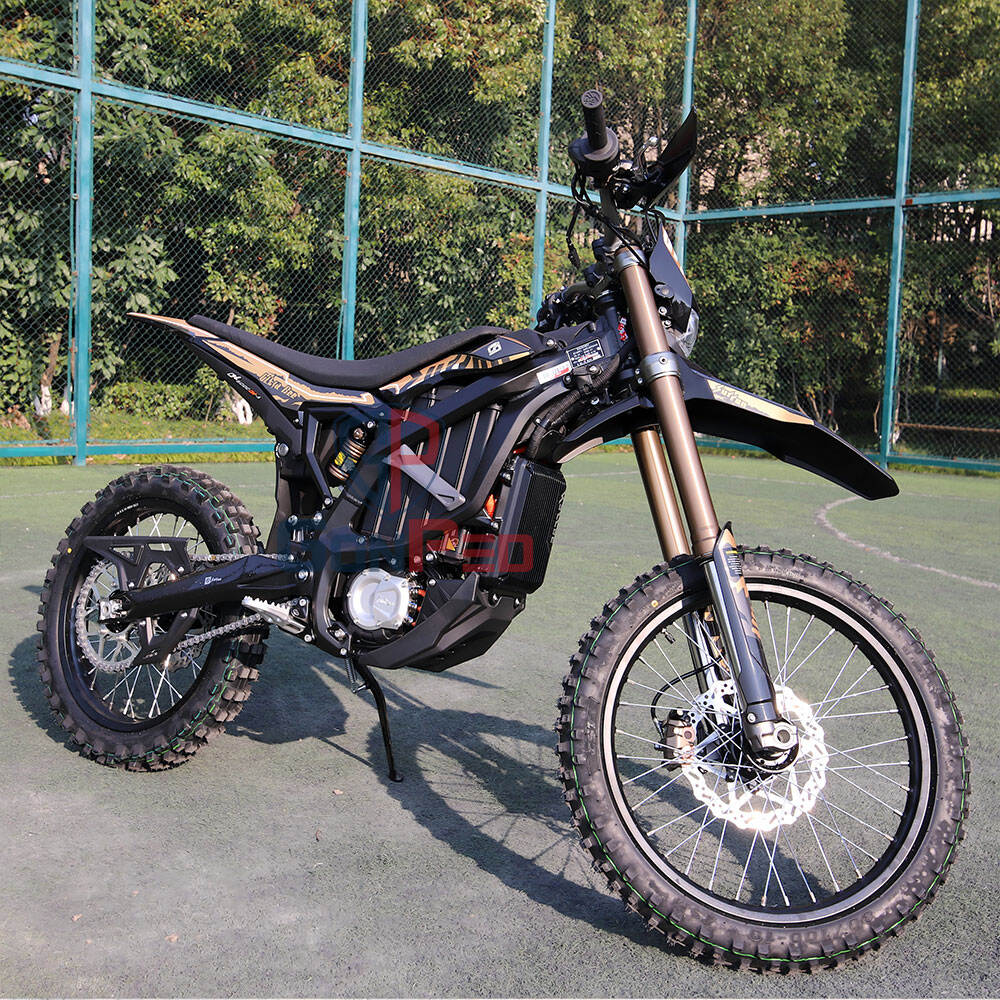
The Surron Light Bee motor represents a sophisticated blend of electric propulsion technology and off-road durability, requiring specific maintenance practices to preserve its performance and longevity. Many riders invest in this high-performance electric dirt bike without fully understanding the critical maintenance routines that prevent premature wear, overheating, and power degradation. Unlike conventional combustion engines, the Surron Light Bee motor demands attention to electrical connections, thermal management, bearing health, and controller calibration—each contributing to the seamless power delivery that defines this machine's riding experience.
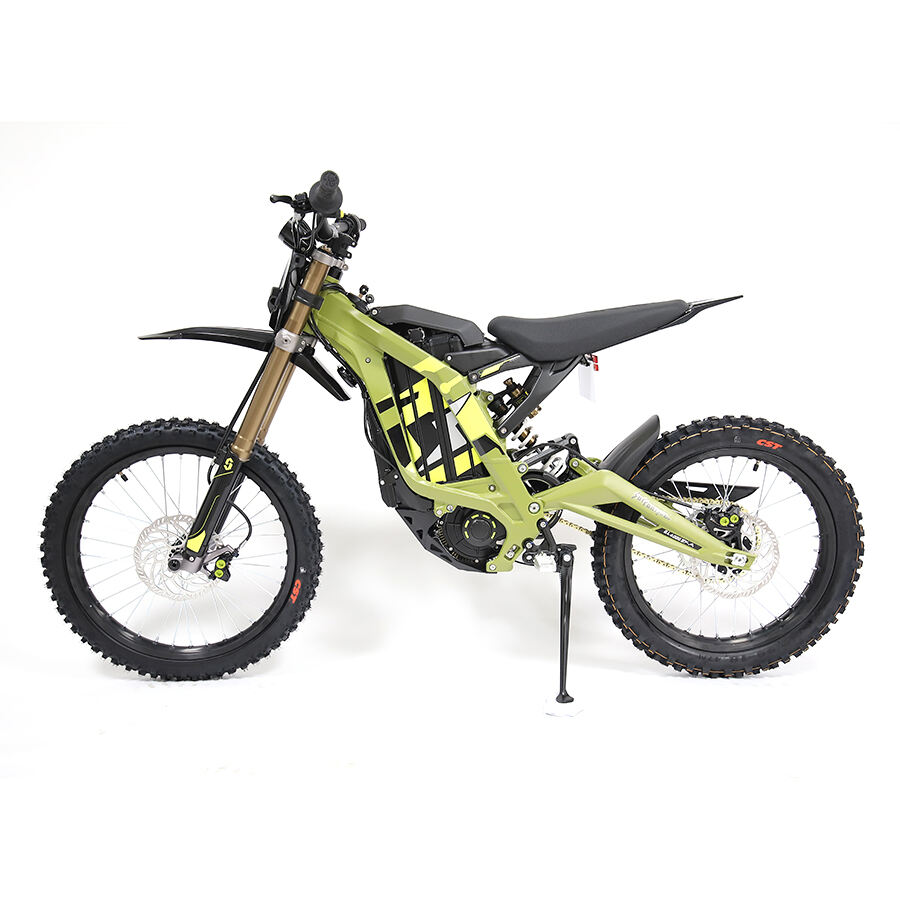
Proper maintenance of the Surron Light Bee motor extends far beyond occasional cleaning and encompasses systematic inspection protocols, preventive component care, and environmental adaptation strategies. Riders who implement targeted maintenance tricks consistently report motors that maintain peak torque output, quieter operation, and resistance to common failure modes such as bearing seizure or phase wire degradation. This comprehensive guide explores the practical maintenance techniques that keep the Surron Light Bee motor operating at optimal efficiency across diverse riding conditions, from technical trail riding to aggressive motocross applications.
Understanding Motor Architecture and Vulnerability Points
Core Components of the Surron Light Bee Motor Design
The Surron Light Bee motor utilizes a brushless DC configuration with permanent magnets arranged in a hub-style assembly, delivering approximately 8000 watts of peak power through three-phase electrical excitation. This design eliminates the carbon brush maintenance required in older electric motors but introduces specific vulnerabilities at the stator windings, rotor bearings, and hall sensor arrays. Understanding these components helps riders identify which maintenance interventions yield the greatest protection against performance degradation and component failure over the motor's operational lifespan.
The motor housing serves as both structural support and thermal dissipation pathway, with cooling fins machined into the aluminum casing to transfer heat away from internal windings. When mud, dust, or debris accumulates in these cooling channels, thermal resistance increases dramatically, causing the motor to operate at elevated temperatures that accelerate insulation breakdown and bearing lubricant degradation. Effective maintenance protocols prioritize keeping these thermal management pathways clear while protecting electrical connections from moisture intrusion that could cause phase imbalance or short circuits.
Critical Wear Patterns and Environmental Stress Factors
The Surron Light Bee motor experiences distinct wear patterns depending on riding style and environmental exposure, with bearing races showing micropit formation under sustained high-torque applications and stator windings developing insulation microcracks from thermal cycling. Off-road conditions introduce abrasive particles that infiltrate seals and contaminate bearing grease, while water crossings risk moisture ingress at cable entry points where factory sealing may prove insufficient under repeated submersion. Recognizing these vulnerability patterns allows riders to implement preventive maintenance before minor issues escalate into catastrophic failures requiring complete motor replacement.
Temperature fluctuations between cold starts and sustained high-power operation create expansion and contraction cycles that stress mounting bolts, phase wire terminals, and sensor connectors. Riders who frequently transition between technical low-speed sections and high-speed runs subject their motors to the most demanding thermal stress profiles, requiring enhanced attention to connection integrity and thermal compound application. Understanding how your specific riding pattern influences motor stress helps customize maintenance intervals to match actual component degradation rates rather than relying solely on manufacturer-recommended schedules that assume average use conditions.
Essential Cleaning and Inspection Protocols
Systematic Exterior Cleaning Techniques
Maintaining a clean Surron Light Bee motor exterior prevents abrasive particle accumulation that accelerates seal wear and cooling efficiency loss, requiring systematic cleaning after each ride in muddy or dusty conditions. Begin by allowing the motor to cool completely, then use compressed air at moderate pressure—avoiding direct seal contact—to remove loose debris from cooling fins, cable entry points, and mounting hardware. Follow with a soft-bristle brush and pH-neutral degreaser applied to stubborn deposits, working methodically around cable connections and sensor housings to avoid introducing moisture into vulnerable areas.
Never use high-pressure water directly on the Surron Light Bee motor housing, as intense spray forces water past seals and into bearing cavities or electrical connectors despite factory water-resistance ratings. Instead, apply cleaning solutions with spray bottles or foam applicators, allowing dwell time for chemical action before gentle rinsing with low-pressure water streams directed away from cable entries. After washing, immediately dry all electrical connections with compressed air and apply dielectric grease to phase wire terminals and sensor plugs to displace residual moisture and establish protective barriers against future water exposure.
Internal Inspection Through Non-Invasive Methods
Regular internal assessment of the Surron Light Bee motor can be accomplished without complete disassembly through auditory analysis, thermal imaging, and resistance measurements that reveal developing issues before they cause operational failures. Listen for bearing noise changes during controlled spin tests with the bike elevated—smooth, quiet operation indicates healthy bearings, while grinding, clicking, or roughness suggests contamination or wear requiring immediate attention. Thermal cameras or infrared thermometers identify hotspots indicating localized friction or electrical resistance problems, with temperature differentials exceeding ten degrees Celsius between motor sides warranting detailed investigation.
Phase resistance measurements using a quality multimeter reveal winding integrity and connection quality, with readings between phases that should match within a few milliohms under normal conditions. Significant resistance imbalance suggests corroded connections, damaged windings, or moisture infiltration requiring connector cleaning or terminal replacement. Perform these electrical checks with the controller disconnected and the motor at ambient temperature for consistent baseline values, documenting readings to track gradual changes that indicate developing problems before they manifest as performance losses during rides.
Bearing Maintenance and Lubrication Strategy
Identifying Bearing Condition and Replacement Timing
The Surron Light Bee motor relies on sealed cartridge bearings at the rotor shaft, with bearing health directly influencing motor alignment, vibration levels, and power transfer efficiency. Proper bearing assessment involves measuring radial play with dial indicators while checking for roughness during manual rotation, with any detectable looseness or resistance indicating advanced wear requiring immediate replacement. Most riders can expect bearing service intervals between 3000 and 5000 kilometers under normal conditions, though aggressive riding, water exposure, and abrasive environments significantly accelerate degradation timelines.
Early bearing replacement prevents secondary damage to motor components, as failing bearings allow rotor-to-stator contact that destroys windings and magnets within minutes of operational failure. When performing bearing service on the Surron Light Bee motor, always replace both bearings simultaneously regardless of individual condition, as mixing new and worn bearings creates alignment issues and uneven load distribution. Select quality replacement bearings with proper sealing specifications—double-sealed cartridge bearings with appropriate load ratings provide superior protection in off-road environments compared to single-sealed or shielded alternatives that allow contaminant ingress.
Preventive Bearing Protection Techniques
Extending bearing life in the Surron Light Bee motor requires protecting factory seals from abrasive particle intrusion and moisture penetration through supplemental sealing measures at cable entry points and housing interfaces. Apply thin layers of marine-grade waterproof grease around bearing seal perimeters during assembly, creating additional barriers against water ingress during creek crossings or pressure washing incidents. Some riders install aftermarket seal guards or labyrinth-style covers that deflect spray and debris away from critical sealing surfaces, particularly beneficial for riders frequently operating in muddy or sandy terrain.
Monitor bearing temperature during extended rides using infrared thermometers, as excessive heat indicates inadequate lubrication, misalignment, or developing failure conditions requiring immediate investigation. Normal bearing temperatures should remain within twenty degrees Celsius of ambient air temperature under moderate riding conditions, with readings exceeding fifty degrees Celsius above ambient suggesting problems demanding immediate attention. After water crossings, allow the Surron Light Bee motor to cool completely before storage, as temperature differentials create vacuum effects that draw moisture past seals into bearing cavities if the motor cools rapidly in humid environments.
Electrical Connection Integrity and Cable Management
Phase Wire Maintenance and Terminal Protection
The three-phase power cables connecting the Surron Light Bee motor to the controller represent critical failure points where vibration, flexing, and environmental exposure cause gradual conductor fatigue and terminal corrosion. Inspect these connections every fifty operating hours, looking for discoloration indicating overheating, corrosion buildup reducing contact quality, or insulation cracking exposing conductors to potential short circuits. Remove terminals, clean contact surfaces with fine abrasive pads, and apply fresh dielectric grease before reconnection, ensuring proper torque specifications on threaded terminals to maintain optimal electrical resistance.
Phase wire routing significantly influences cable longevity, with improper support allowing excessive flexing that fractures internal conductors even when external insulation appears intact. Secure cables with vibration-dampening mounts positioned to minimize movement during suspension articulation, avoiding tight bend radii that concentrate stress at conductor strands. Some experienced Surron Light Bee motor maintainers apply liquid electrical tape or heat-shrink protection over factory cable terminals, adding redundant moisture barriers that prevent corrosion in wet riding conditions where factory sealing proves inadequate over extended service periods.
Hall Sensor Maintenance and Diagnostic Procedures
The hall effect sensors within the Surron Light Bee motor provide critical rotor position feedback to the controller, with sensor malfunction causing erratic power delivery, reduced efficiency, or complete operational failure. These sensors prove vulnerable to moisture infiltration and magnetic contamination from metallic debris, requiring periodic inspection and testing using multimeter voltage measurements during manual motor rotation. Healthy hall sensors produce clean voltage transitions between low and high states as magnets pass, while erratic readings or stuck outputs indicate sensor damage requiring replacement before operational failures occur during rides.
Protect hall sensor connectors through enhanced sealing using silicone conformal coating applied to circuit boards and connector pins after verifying proper sensor operation. This additional protection layer prevents moisture-induced corrosion that gradually degrades signal quality, particularly important for riders frequently encountering wet conditions or pressure washing their machines. When replacing hall sensors on the Surron Light Bee motor, maintain exact original positioning and air gap specifications, as even millimeter-scale misalignment causes timing errors that reduce motor efficiency and increase controller stress through improper commutation timing.
Thermal Management and Cooling System Optimization
Cooling Fin Maintenance and Heat Transfer Enhancement
The aluminum cooling fins machined into the Surron Light Bee motor housing provide primary thermal dissipation, with cleaning and maintenance of these surfaces directly impacting sustained power capability and component longevity. Use small brushes or compressed air to remove packed debris from between fins after each muddy ride, as dried mud acts as thermal insulation that drastically reduces cooling effectiveness. Some riders apply thin coatings of heat-dissipating compounds to fin surfaces, though cleaning frequency proves more important than surface treatments for maintaining optimal thermal transfer rates.
Monitor operating temperatures during extended climbs or high-power applications using infrared thermometers, establishing baseline thermal profiles for your typical riding conditions. Sustained motor temperatures exceeding eighty degrees Celsius indicate inadequate cooling requiring investigation of blocked fins, degraded thermal interfaces, or riding patterns exceeding design thermal limits. The Surron Light Bee motor benefits from occasional rest periods during extended technical sections, allowing temperature stabilization that prevents cumulative heat buildup that accelerates insulation aging and bearing lubricant breakdown over time.
Environmental Adaptation for Temperature Extremes
Cold weather operation requires modified maintenance approaches for the Surron Light Bee motor, as low temperatures increase bearing grease viscosity and reduce battery performance that indirectly stresses motor components through voltage sag under load. Allow gradual warm-up periods using gentle power application before demanding full performance, giving bearing lubricants time to reach operating viscosity and electrical systems time to stabilize. Consider synthetic bearing greases rated for low-temperature operation if regularly riding in freezing conditions, as these formulations maintain proper lubrication characteristics across wider temperature ranges than standard greases.
High ambient temperatures demand enhanced attention to cooling system cleanliness and riding patterns that allow adequate heat dissipation between power demands. Desert and high-temperature environment riders benefit from installing supplemental cooling shrouds or forced-air systems that increase airflow across motor fins during low-speed technical riding where natural airflow proves inadequate. After riding in extreme heat, allow extended cooling periods before storage to prevent thermal stress concentrations that occur when components cool at different rates, potentially causing housing warpage or seal damage that compromises long-term motor integrity.
FAQ
How often should I inspect my Surron Light Bee motor for maintenance needs?
Inspect your Surron Light Bee motor after every five to ten hours of riding time, with more frequent checks required following water crossings, muddy conditions, or sustained high-power applications. Basic inspections include visual examination of cable connections, listening for bearing noise changes, and checking for debris accumulation in cooling fins. Perform detailed maintenance including resistance measurements, bearing assessment, and thorough cleaning every fifty operating hours or quarterly, whichever occurs first. Aggressive riders and those frequently operating in harsh environments should reduce these intervals by approximately thirty percent to catch developing issues before they cause operational failures.
What are the most common causes of premature Surron Light Bee motor failure?
Bearing failure due to water ingress and contamination represents the leading cause of premature Surron Light Bee motor problems, followed by phase wire connection corrosion and hall sensor moisture damage. Many failures trace to inadequate post-ride cleaning, allowing mud and water to remain in contact with seals and electrical connections where gradual degradation occurs. Overheating from blocked cooling fins or excessive sustained power demand accelerates winding insulation breakdown, while impact damage from rock strikes or crashes can crack motor housings and compromise seal integrity. Implementing thorough cleaning protocols, protecting electrical connections with enhanced sealing, and monitoring operating temperatures prevents the majority of premature motor failures.
Can I improve Surron Light Bee motor longevity through specific riding techniques?
Adopting riding techniques that minimize thermal stress and mechanical shock significantly extends Surron Light Bee motor service life without sacrificing performance enjoyment. Avoid prolonged full-throttle applications that generate excessive heat, instead using intermittent power delivery that allows brief cooling periods during extended climbs or high-speed sections. Gradual throttle application reduces mechanical shock to drivetrain components and electrical system stress from sudden current spikes. When possible, maintain momentum through technical sections rather than relying on sustained low-speed, high-torque operation that generates maximum motor heating. These techniques, combined with proper maintenance practices, can extend motor service intervals by fifty percent or more compared to aggressive riding styles that constantly demand peak power output.
What tools and supplies should I keep for routine Surron Light Bee motor maintenance?
Essential maintenance tools include a quality digital multimeter for resistance and continuity testing, infrared thermometer for temperature monitoring, and torque wrench for proper fastener tensioning during motor servicing. Stock dielectric grease for electrical connections, marine-grade waterproof bearing grease, contact cleaner for terminals, and pH-neutral degreaser for exterior cleaning. Compressed air supply or portable compressor facilitates debris removal and connection drying, while soft brushes prevent seal damage during cleaning. Advanced maintenance benefits from dial indicators for bearing play measurement and thermal imaging cameras for detailed temperature analysis, though these represent optional tools for riders performing comprehensive diagnostic work rather than routine maintenance tasks.
Table of Contents
- Understanding Motor Architecture and Vulnerability Points
- Essential Cleaning and Inspection Protocols
- Bearing Maintenance and Lubrication Strategy
- Electrical Connection Integrity and Cable Management
- Thermal Management and Cooling System Optimization
-
FAQ
- How often should I inspect my Surron Light Bee motor for maintenance needs?
- What are the most common causes of premature Surron Light Bee motor failure?
- Can I improve Surron Light Bee motor longevity through specific riding techniques?
- What tools and supplies should I keep for routine Surron Light Bee motor maintenance?