 EN
EN

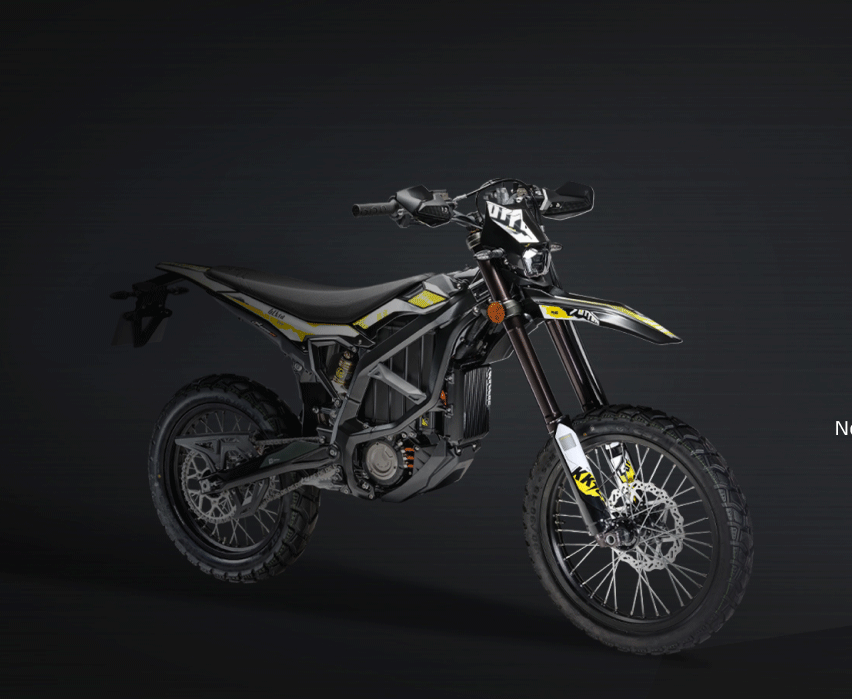
For motocross enthusiasts considering the transition to electric motorcycles, the Surron Ultra Bee has emerged as a compelling option that promises high performance and zero emissions. However, one of the most pressing questions riders face when evaluating this electric powerhouse is whether its battery capacity can sustain the demands of a full day at the motocross track. The answer depends on multiple factors including riding style, terrain difficulty, rider weight, and how you define a full day of riding. Understanding the Surron Ultra Bee range capabilities requires examining not just the manufacturer's specifications but also real-world usage patterns and the unique energy consumption characteristics of motocross riding compared to street or trail use.
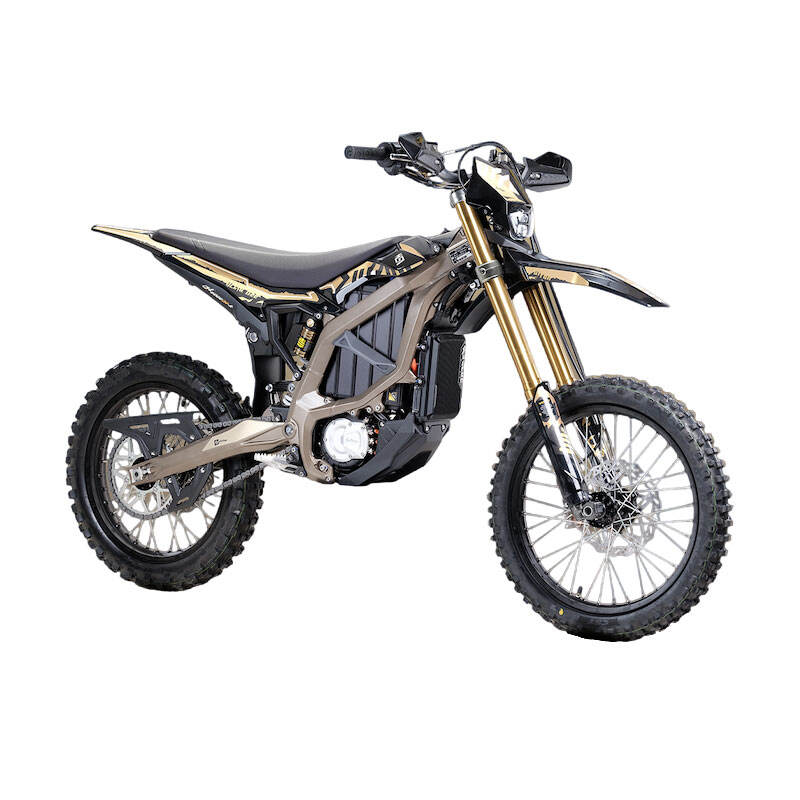
The Surron Ultra Bee comes equipped with a 72V 60Ah battery system that delivers substantial power for aggressive riding, but motocross places uniquely demanding requirements on battery reserves. Unlike casual trail riding or commuting where speeds and power demands remain relatively consistent, motocross involves constant acceleration, high-speed jumps, challenging climbs, and aggressive cornering that drain battery reserves considerably faster. This article examines the practical range limitations of the Surron Ultra Bee in motocross conditions, explores the factors that influence battery consumption during track sessions, and provides guidance on whether this electric motorcycle can realistically serve your needs for extended riding days without requiring mid-session recharging.
Understanding Surron Ultra Bee Battery Specifications and Real-World Range
Technical Battery Capacity and Energy Storage
The Surron Ultra Bee features a 72-volt electrical system paired with a 60Ah lithium-ion battery pack, resulting in a total energy capacity of approximately 4.32 kWh. This represents a significant upgrade from earlier electric motocross bikes and positions the Ultra Bee as one of the more capable options in the electric off-road motorcycle segment. The battery pack utilizes high-density lithium cells designed to deliver consistent power output even under heavy discharge conditions typical of motocross riding. The 21kW motor draws substantial current during acceleration and climbing, which directly impacts how long the battery can sustain performance before requiring recharge.
Battery capacity specifications tell only part of the story when evaluating the Surron Ultra Bee range for motocross applications. The usable capacity typically ranges between 80-90% of the total rated capacity to protect battery longevity and maintain performance consistency. This means riders can expect to access approximately 3.5 to 3.9 kWh of actual energy during typical riding sessions. The battery management system monitors cell temperatures, voltage levels, and discharge rates to optimize performance while preventing damage from excessive drain or thermal stress. Understanding these technical parameters helps set realistic expectations for how the Ultra Bee will perform during demanding motocross sessions.
Manufacturer Range Claims Versus Motocross Reality
Manufacturer specifications for the Surron Ultra Bee range typically cite distances between 60-100 kilometers under optimal conditions, but these figures rarely reflect the intense demands of motocross track riding. Standard range testing usually involves moderate speeds on relatively flat terrain with consistent throttle application, conditions that differ dramatically from the explosive acceleration, frequent stops, high-speed sections, and challenging obstacles that define motocross riding. The energy consumption during aggressive track riding can be two to three times higher than casual trail riding, significantly reducing the practical range available during a motocross session.
Real-world testing by motocross riders indicates that the Surron Ultra Bee range during intense track sessions typically delivers between 45-90 minutes of continuous riding depending on rider skill, track difficulty, and riding intensity. This translates to approximately 20-40 kilometers of actual track distance, though measuring range by distance becomes less meaningful in motocross contexts where lap times and session duration matter more than total kilometers traveled. Riders who modulate throttle application, choose efficient lines, and avoid unnecessary wheel spin can extend battery life toward the upper end of this range, while aggressive riders pushing maximum performance will find themselves closer to the lower limits.
Energy Consumption Patterns During Motocross Riding
Motocross riding creates unique energy consumption patterns that distinguish it from other motorcycle applications. The constant variation between full-throttle acceleration out of corners, high-power demands during jumps and whoops sections, and regenerative opportunities during deceleration creates a complex discharge profile. The Surron Ultra Bee range suffers most significantly during steep climbs, deep sand sections, and repeated high-speed acceleration where the motor draws maximum current. Conversely, technical sections requiring throttle control and sections with downhill gradients allow brief recovery periods that slightly extend overall battery life.
The power-to-weight ratio demands of motocross mean the motor frequently operates at or near its maximum output capacity, creating sustained high-discharge conditions that deplete battery reserves faster than almost any other riding scenario. Jump landings, hard braking, and aggressive cornering also introduce efficiency losses as energy converts to heat through the motor and controller systems. Understanding these consumption patterns helps riders develop strategies to maximize the Surron Ultra Bee range during track sessions, such as smoothing throttle inputs, selecting momentum-conserving lines, and timing rest breaks to allow battery temperatures to stabilize before continuing aggressive riding.
Defining a Full Day of Motocross and Energy Requirements
Typical Motocross Session Structures and Duration
Defining what constitutes a full day of motocross varies considerably among riders and riding contexts. Professional practice sessions might involve multiple 20-30 minute motos with substantial rest periods between sessions, while recreational riders at open practice tracks might ride intermittently throughout a 4-6 hour period with frequent breaks for rest, bike maintenance, and socializing. Amateur racers typically structure their practice around 15-20 minute sessions followed by cooling periods, while casual riders might prefer shorter 10-15 minute bursts of intense riding alternating with longer rest intervals.
For most recreational motocross enthusiasts, a full day at the track involves approximately 2-3 hours of actual saddle time distributed across 4-6 hours at the facility. This riding pattern includes warm-up laps, multiple intense practice sessions, cooldown periods, and breaks for hydration and rest. When evaluating whether the Surron Ultra Bee range can accommodate a full day of motocross, riders must consider their specific riding patterns and intensity levels rather than assuming continuous riding throughout the day. The intermittent nature of typical motocross practice actually works favorably with electric motorcycle characteristics, as rest periods allow battery temperatures to stabilize and provide opportunities for mid-day recharging if facilities are available.
Energy Demands Across Different Motocross Disciplines
Different motocross disciplines place varying demands on the Surron Ultra Bee range, with significant differences in energy consumption between outdoor motocross, supercross, and cross-country riding. Outdoor motocross tracks with longer straightaways, larger jumps, and more sustained high-speed sections tend to consume battery power more rapidly than tighter supercross-style tracks where technical skill and precise throttle control matter more than sustained high-speed riding. Cross-country courses with extended mileage and varied terrain create the most challenging conditions for electric motorcycle range, as riders must maintain momentum over distances that can exceed 15-20 kilometers per lap.
Track layout and condition significantly influence how efficiently the Surron Ultra Bee utilizes its battery capacity. Well-maintained tracks with good traction allow smoother power delivery and reduce the energy waste associated with wheel spin and traction loss. Conversely, muddy conditions, deep sand, or poorly prepped tracks force the motor to work harder to maintain momentum, dramatically reducing the effective range. Riders planning full-day sessions should assess their typical riding environment and discipline to estimate realistic battery consumption rates. Technical riders who focus on skills practice and line selection will extract more riding time from each charge compared to riders who prioritize speed and aggressive riding styles.
Rider Skill Level Impact on Battery Efficiency
Rider skill level plays a surprisingly significant role in determining the practical Surron Ultra Bee range during motocross sessions. Experienced riders who understand momentum management, efficient line selection, and smooth throttle control can extend battery life by 30-50% compared to novice riders who rely on excessive throttle application and power delivery to compensate for technical skill gaps. Skilled riders maintain corner speed through proper body positioning and line choice, reducing the need for aggressive acceleration between turns that rapidly depletes battery reserves.
Beginners and intermediate riders often experience shorter effective range because they tend to use more throttle input to overcome obstacles and maintain speed, creating higher average power consumption throughout their riding sessions. The instant torque delivery of the Surron Ultra Bee can actually work against efficiency for less experienced riders who may inadvertently spin the rear wheel excessively or over-apply throttle in situations where momentum and technique would be more efficient. As riders develop their skills and learn to work with the electric power delivery characteristics, they naturally adopt riding styles that maximize the Surron Ultra Bee range without consciously trying to conserve battery power.
Strategies to Maximize Surron Ultra Bee Range During Track Sessions
Riding Technique Modifications for Extended Battery Life
Riders can employ specific techniques to significantly extend the Surron Ultra Bee range during motocross sessions without sacrificing enjoyment or skill development. Smooth throttle transitions rather than abrupt on-off inputs reduce instantaneous power demands and create more efficient energy use patterns. Maintaining momentum through corners and obstacle sections minimizes the need for repeated acceleration from low speeds, which represents one of the highest energy consumption scenarios. Experienced electric motorcycle riders learn to anticipate terrain changes and adjust power delivery proactively rather than reactively, allowing the motor to operate in more efficient power bands.
Line selection becomes even more critical when riding the Surron Ultra Bee in range-conscious scenarios. Choosing lines that preserve momentum and minimize the need for high-power acceleration extends battery life substantially. Riders should focus on carrying speed through corners rather than braking hard and accelerating aggressively out of turns, as this riding pattern creates the highest energy consumption per lap. Additionally, avoiding unnecessary wheel spin in loose conditions and maintaining traction through proper weight distribution reduces wasted energy that depletes battery reserves without contributing to forward progress. These technique modifications often improve lap times and riding smoothness while simultaneously extending the practical range available during each charge cycle.
Battery Management and Charging Strategies
Effective battery management significantly influences whether the Surron Ultra Bee range proves sufficient for full-day motocross sessions. Starting each riding day with a fully charged battery ensures maximum available capacity, as partial charges reduce the total energy accessible during subsequent riding. Many tracks now offer electrical outlets or designated charging areas where riders can connect during lunch breaks or extended rest periods, potentially adding 30-60 minutes of additional riding time through opportunity charging. Fast charging capabilities allow riders to recover significant battery capacity during mid-day breaks, though frequent fast charging may impact long-term battery health if done repeatedly.
Battery temperature management also affects the usable Surron Ultra Bee range during extended sessions. Allowing the battery to cool during rest periods improves charging efficiency and prevents thermal throttling that can reduce available power output. Riders should avoid immediately charging a hot battery after aggressive riding sessions, instead allowing 10-15 minutes of cooling time before connecting to charging equipment. Monitoring battery voltage levels through the display system helps riders gauge remaining capacity and plan session lengths accordingly. Strategic session planning that alternates intense riding periods with adequate rest and charging time enables full-day track attendance even with the inherent range limitations of current electric motorcycle technology.
Supplementary Battery and Charging Solutions
Serious riders who frequently spend full days at motocross facilities can invest in supplementary solutions to overcome the practical limitations of the Surron Ultra Bee range. Purchasing a second battery pack allows complete battery swaps during mid-day breaks, effectively doubling the available riding time without waiting for charging cycles. While this represents a significant additional investment, the convenience and extended riding capability make it worthwhile for dedicated riders who prioritize maximum track time. Spare batteries can charge in the truck or trailer while riding continues on the primary pack, ensuring continuous availability throughout the day.
Portable generator systems provide another option for riders who attend tracks without reliable electrical infrastructure. Compact inverter generators can provide charging capability anywhere a vehicle can access, enabling mid-day recharging even at remote riding locations. Solar charging systems represent an emerging option for environmentally conscious riders, though current solar technology requires substantial panel arrays to deliver meaningful charging rates for the Surron Ultra Bee battery capacity. Evaluating these supplementary solutions depends on individual riding frequency, typical session durations, and whether the base Surron Ultra Bee range meets most riding needs with only occasional requirements for extended capacity.
Comparing Electric Range Requirements to Gas Motorcycle Fuel Capacity
Equivalent Range Analysis Between Electric and Gas Platforms
Comparing the Surron Ultra Bee range to traditional gas-powered motocross bikes provides useful perspective on whether electric platforms can realistically support full-day riding. A typical 250cc four-stroke motocross bike holds approximately 7-8 liters of fuel and might consume 8-12 liters per hour during aggressive track riding, requiring refueling every 40-60 minutes of continuous riding. This means most gas motocross bikes need refueling at least once during a typical full-day session, creating a practical comparison point for evaluating electric alternatives. The key difference lies in refueling time, as gas bikes require only 2-3 minutes to refuel while the Surron Ultra Bee needs 2-4 hours for complete recharging depending on charger specifications.
However, the comparison becomes more favorable for electric platforms when considering typical riding patterns rather than continuous operation. Most riders naturally take breaks between sessions for rest, hydration, bike inspection, and socialization, creating natural intervals where charging can occur. A rider who practices in 20-30 minute sessions with 30-45 minute rest periods can potentially maintain sufficient Surron Ultra Bee range throughout a full day if mid-session charging occurs during breaks. This usage pattern differs from gas bikes where refueling happens as needed but doesn't require extended downtime. Riders accustomed to gas motorcycle convenience must adjust expectations and riding schedules to accommodate electric charging requirements, but the silent operation, zero emissions, and reduced maintenance may offset these logistical considerations for many users.
Operational Cost Considerations and Value Proposition
While evaluating whether the Surron Ultra Bee range meets full-day requirements, riders should also consider the broader operational cost advantages that may justify charging-related adjustments. Electricity costs for recharging typically run $0.50-$1.50 per full charge depending on local utility rates, compared to $8-15 for refueling a gas motocross bike. Over a season of regular riding, these savings accumulate substantially. Additionally, electric powertrains eliminate oil changes, air filter services, valve adjustments, and spark plug replacements that consume both time and money with gas motorcycles.
The reduced maintenance requirements and operating costs may justify accepting some practical range limitations for riders who can adapt their riding schedules to accommodate charging requirements. Track facilities increasingly recognize the growing electric motorcycle market and many now provide charging stations specifically for electric riders, improving the practical viability of using the Surron Ultra Bee for full-day sessions. The environmental benefits of zero emissions operation also appeal to riders and track operators concerned about noise complaints and air quality, potentially opening access to riding areas where gas motorcycles face restrictions. Evaluating the Surron Ultra Bee range requires balancing immediate convenience against long-term operational advantages and environmental considerations.
Performance Characteristics Across the Battery Discharge Cycle
Understanding how the Surron Ultra Bee performs as battery capacity depletes helps riders manage expectations during extended sessions. Unlike gas motorcycles that maintain consistent performance until the tank empties, electric motorcycles may experience gradual power reduction as battery voltage drops. The Surron Ultra Bee typically maintains full performance through approximately 70-80% of the discharge cycle, then begins implementing power management strategies to protect battery health and extend remaining range. Riders may notice slightly reduced acceleration and top speed during the final 20-30% of battery capacity.
This performance degradation pattern affects how riders should plan their sessions when attempting full-day riding on the Surron Ultra Bee range. Scheduling the most demanding riding during the beginning of each charge cycle when full power remains available optimizes the riding experience. Using the latter portions of each charge for cooldown laps, technique practice, or less aggressive riding allows riders to extract maximum value from available battery capacity without feeling frustrated by reduced performance. Many riders report that the gradual power reduction actually serves as a useful indicator that charging will soon be necessary, allowing them to plan session endings proactively rather than experiencing unexpected power loss during aggressive riding.
Real-World User Experiences and Practical Range Reports
Track Day Testimonials and Usage Patterns
Real-world reports from riders using the Surron Ultra Bee at motocross facilities provide valuable insight beyond manufacturer specifications and theoretical calculations. Many experienced riders report that a single full charge delivers approximately 45-75 minutes of aggressive track riding, varying based on individual riding style, track difficulty, and rider weight. Lighter riders on well-maintained tracks with moderate skill levels tend to achieve the upper end of this range, while heavier riders pushing maximum performance on challenging tracks experience shorter session durations. These reports consistently indicate that a single charge cycle typically falls short of what most riders would consider a full day of motocross without mid-session recharging.
However, riders who arrive with charging equipment and take advantage of natural break periods report successfully managing full-day sessions by implementing strategic charging during lunch breaks and rest periods between intense riding sessions. The practical experience of Surron Ultra Bee owners suggests that while the range presents limitations compared to gas motorcycles, thoughtful session planning and charging management allow dedicated riders to achieve satisfactory full-day participation at motocross facilities. The growing community of electric motocross riders continues to develop best practices for maximizing riding time and managing the unique characteristics of electric powertrains in demanding motocross applications.
Competitive Riding and Racing Range Requirements
Riders interested in competitive motocross racing face different range considerations than recreational practice riders. Most amateur motocross races consist of two motos lasting 15-20 minutes each, with at least 30-60 minutes between races for track maintenance and class rotation. For this competitive format, the Surron Ultra Bee range proves entirely adequate, as each moto consumes only a portion of total battery capacity and the inter-moto rest period allows opportunity charging if needed. Racers can typically complete both motos on a single charge with capacity remaining, though starting the second moto with a topped-off battery through opportunity charging provides performance security.
The challenge emerges during practice and qualifying sessions that precede race motos, as riders need sufficient battery capacity for pre-race preparation in addition to the actual race sessions. Serious racers often invest in spare battery packs or ensure charging access throughout the race day to maintain optimal performance for all sessions. The instant torque and consistent power delivery of the Surron Ultra Bee provides competitive advantages in certain racing scenarios, but the range limitations require more logistical planning than gas motorcycles where quick refueling solves capacity concerns. As electric motorcycle racing classes expand and become more established, venue infrastructure is adapting to provide better charging support for competitive electric riders.
Seasonal and Environmental Impact on Available Range
Environmental conditions significantly affect the practical Surron Ultra Bee range during motocross sessions. Cold weather reduces battery efficiency and available capacity, with temperatures below 10°C potentially decreasing usable range by 15-25% compared to optimal conditions. Riders in northern climates or those who ride during winter months must account for these seasonal variations when planning riding sessions. Conversely, extremely hot conditions can trigger thermal management systems that limit power output to protect battery cells, though this typically occurs only during sustained aggressive riding in ambient temperatures exceeding 35°C.
Track conditions related to weather also impact energy consumption and effective range. Wet or muddy tracks dramatically increase rolling resistance and reduce traction efficiency, forcing the motor to work harder to maintain momentum and significantly reducing the distance or time available per charge. Dry, well-groomed tracks provide optimal conditions for maximizing Surron Ultra Bee range, while adverse conditions may reduce practical riding time by 30-40%. Riders should consider these environmental factors when evaluating whether the Ultra Bee will meet their full-day riding requirements, particularly in regions with challenging seasonal weather or tracks known for difficult soil conditions that increase energy demands.
FAQ
How long does it take to fully recharge the Surron Ultra Bee battery?
The Surron Ultra Bee typically requires between 3-5 hours for a complete recharge from fully depleted to full capacity using the standard charger. Fast charging options can reduce this time to approximately 2-3 hours, though frequent fast charging may impact long-term battery longevity. The actual charging time varies based on the remaining battery capacity, ambient temperature, and charger specifications. For optimal battery health, manufacturers generally recommend standard charging rates for routine recharging, reserving fast charging for situations where time constraints make it necessary. Many riders find that opportunity charging during mid-day breaks of 1-2 hours can restore sufficient capacity for additional riding sessions even without achieving full charge.
Can I ride the Surron Ultra Bee in competitive motocross events?
The ability to compete with the Surron Ultra Bee depends entirely on the specific event rules and sanctioning organization. Some racing organizations now offer dedicated electric motorcycle classes that welcome the Ultra Bee and similar platforms, while traditional motocross racing classes typically restrict competition to gas-powered motorcycles within specific displacement categories. The Ultra Bee's performance characteristics make it competitive in appropriate classes, with instant torque delivery and consistent power output providing advantages in certain racing scenarios. Riders interested in competitive use should verify with their local racing organizations about class eligibility and any technical requirements specific to electric motorcycles before committing to competition participation.
What is the expected lifespan of the Surron Ultra Bee battery pack?
The Surron Ultra Bee battery pack is designed to maintain approximately 80% of its original capacity through 800-1000 full charge cycles under normal use conditions, which translates to several years of typical recreational riding. Actual lifespan depends heavily on usage patterns, charging habits, storage conditions, and maintenance practices. Riders who frequently fully deplete the battery, regularly use fast charging, or store the motorcycle in extreme temperatures may experience accelerated capacity degradation. Conversely, riders who maintain batteries between 20-80% charge when possible, avoid extreme temperature exposure, and follow manufacturer maintenance recommendations often exceed the expected cycle life. Battery replacement represents a significant expense when eventually necessary, but proper care maximizes the service life and return on investment.
Does the Surron Ultra Bee require any special maintenance compared to gas motocross bikes?
The Surron Ultra Bee requires significantly less routine maintenance than traditional gas-powered motocross bikes, eliminating oil changes, air filter cleaning, valve adjustments, carburetor tuning, and spark plug replacements. However, it does require specific electric-motorcycle maintenance including regular inspection of electrical connections, periodic brake fluid changes, chain and sprocket maintenance, tire pressure monitoring, and ensuring battery terminals remain clean and properly torqued. Riders should also monitor battery health through the display system and follow manufacturer guidelines for long-term storage, which typically involves maintaining partial charge levels rather than storing fully charged or depleted. The reduced maintenance requirements represent a significant advantage for many riders, though understanding the specific needs of electric powertrains ensures reliable performance and maximizes component longevity.
Table of Contents
- Understanding Surron Ultra Bee Battery Specifications and Real-World Range
- Defining a Full Day of Motocross and Energy Requirements
- Strategies to Maximize Surron Ultra Bee Range During Track Sessions
- Comparing Electric Range Requirements to Gas Motorcycle Fuel Capacity
- Real-World User Experiences and Practical Range Reports
- FAQ