 EN
EN

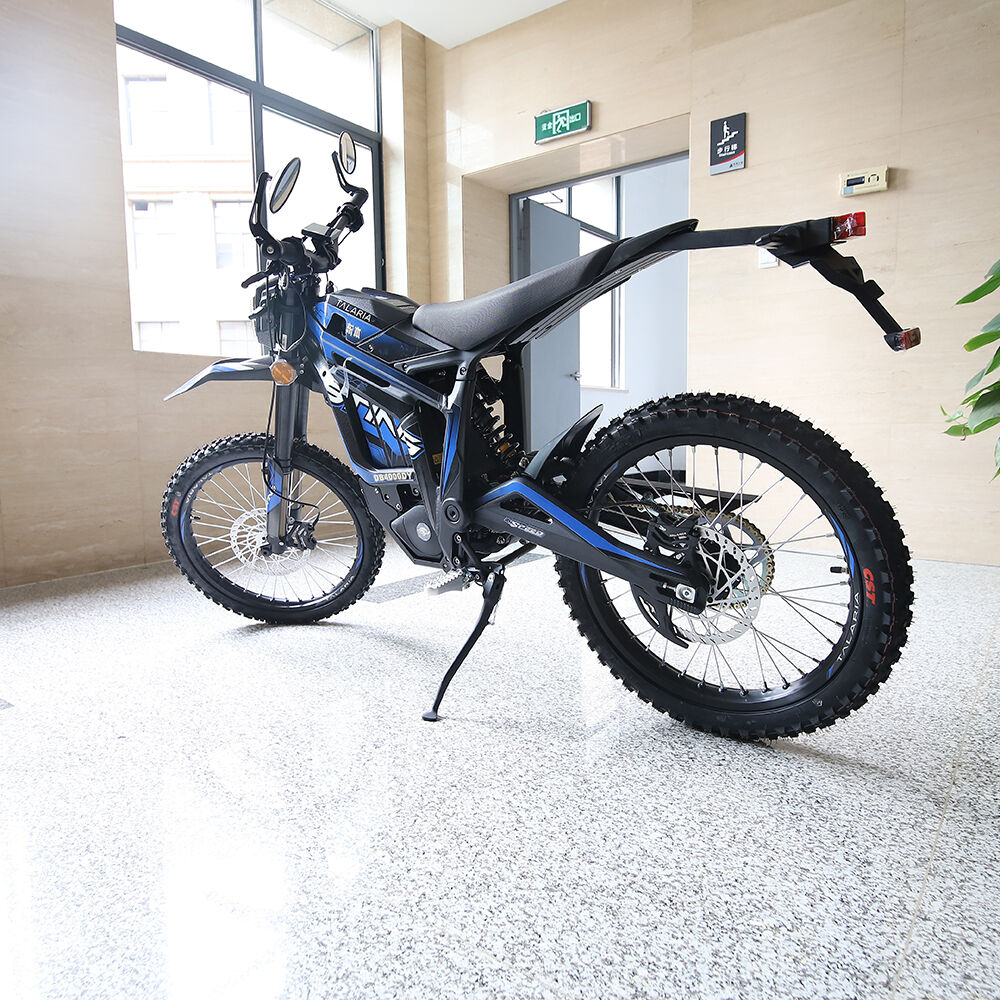
The Surron Light Bee has emerged as a compelling option for riders seeking a single electric bike capable of serving dual purposes. This versatile electric motorcycle raises an important question for potential buyers: can one machine genuinely excel at both urban commuting and off-road trail adventures? Understanding the capabilities, limitations, and practical performance characteristics of the Surron Light Bee across these distinct riding environments helps riders make informed decisions about whether this electric dirt bike can truly replace the need for multiple specialized vehicles.
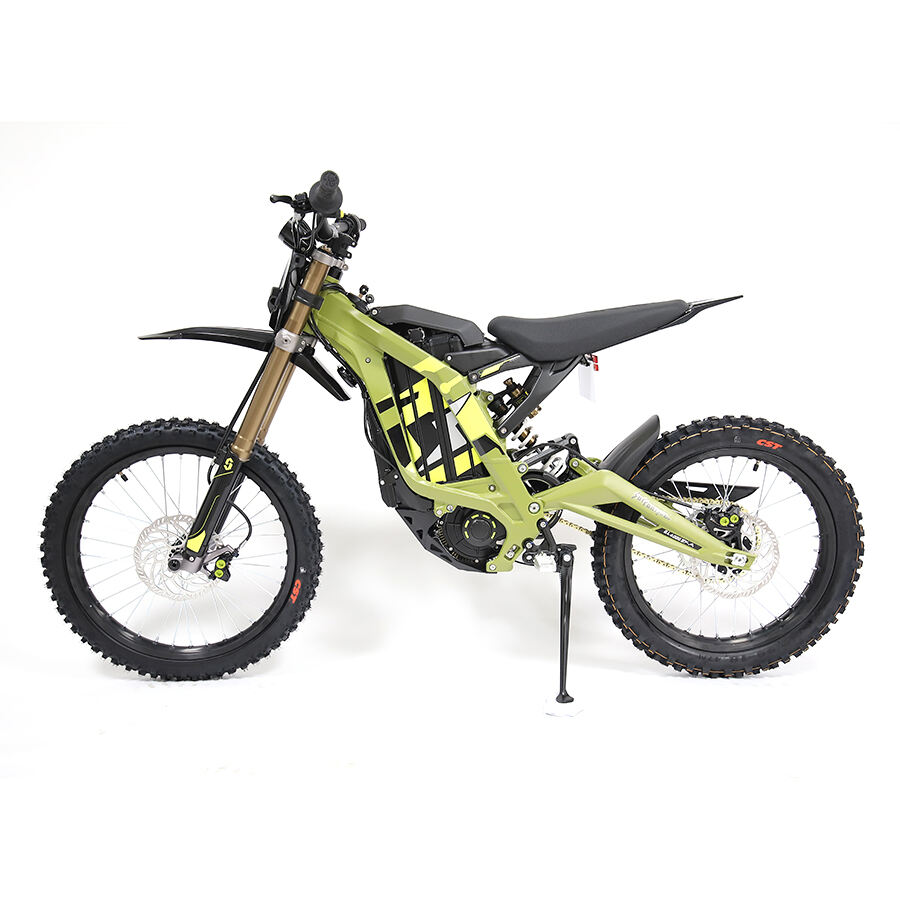
The answer is definitively yes, but with important qualifications that every rider should understand before committing to this dual-purpose approach. The Surron Light Bee was engineered from the ground up as a crossover platform, balancing street-friendly features with genuine off-road capability. However, achieving excellence in both environments requires understanding how to configure, maintain, and operate this electric motorcycle according to the specific demands of each riding scenario. This article explores the technical specifications, real-world performance factors, practical modifications, and usage strategies that determine whether the Surron Light Bee can truly serve as your only motorcycle for both daily transportation and weekend trail adventures.
Technical Foundation Enabling Dual-Purpose Capability
Powertrain Specifications and Performance Range
The Surron Light Bee features an 8000W mid-mounted brushless motor that delivers substantial torque across a broad RPM range, making it adaptable to both urban stop-and-go traffic and demanding trail conditions. This power output translates to approximately 10.7 horsepower in continuous operation, with peak output reaching significantly higher during aggressive acceleration or climbing steep inclines. The motor's placement low in the chassis contributes to a favorable center of gravity that benefits both street stability and off-road maneuverability.
The 60V 40Ah lithium-ion battery pack provides sufficient energy capacity for typical commuting distances while retaining enough reserve for recreational trail riding. In urban environments with moderate speeds and regenerative braking engagement, riders consistently report ranges between 40 to 60 miles per charge. Off-road riding naturally consumes more energy due to constant throttle modulation, terrain resistance, and the inability to utilize regenerative braking effectively, reducing range to approximately 25 to 40 miles depending on trail difficulty and rider aggression.
The electronic controller governing the Surron Light Bee allows riders to select between multiple power modes, effectively adjusting performance characteristics to match riding conditions. The Eco mode limits power delivery to extend range during commuting, while Sport mode unleashes full performance for trail riding scenarios. This programmable flexibility represents a crucial feature enabling the same machine to adapt between transportation efficiency and recreational performance without requiring physical modifications.
Chassis Design and Suspension Architecture
The aluminum alloy frame of the Surron Light Bee employs a geometry that splits the difference between traditional street motorcycle ergonomics and off-road dirt bike proportions. The seat height of approximately 34 inches accommodates a wide range of rider sizes while remaining accessible for urban environments where frequent stops require ground contact. The overall dimensions create a compact footprint that navigates city traffic effectively while maintaining sufficient wheelbase length for high-speed trail stability.
Suspension components on the Surron Light Bee include inverted front forks with approximately 200mm of travel and a rear monoshock providing similar rear wheel movement. These suspension specifications fall into the capable trail bike category rather than extreme enduro territory, but provide substantially more capability than any street-focused motorcycle. The damping characteristics come tuned from the factory with a bias toward off-road performance, meaning street riders may perceive the suspension as slightly firm over urban pavement imperfections, though adjustments can address this characteristic.
The ground clearance of roughly 12 inches allows the Surron Light Bee to clear typical trail obstacles including rocks, logs, and ruts without constant concern about chassis contact. This specification simultaneously prevents the scraping issues common with lower street motorcycles when navigating poorly maintained urban roads, parking lot curbs, or speed bumps. The combination of adequate suspension travel and generous clearance creates the foundation for genuine dual-purpose capability that distinguishes the Surron Light Bee from purely street-oriented electric motorcycles.
Braking System and Wheel Configuration
Hydraulic disc brakes front and rear provide the stopping power necessary for both environments, with rotor sizes appropriate for the vehicle's weight and performance envelope. The brake system delivers progressive feel and sufficient thermal capacity for repeated hard stops during urban riding while maintaining consistent performance during prolonged trail descents. The mechanical simplicity of hydraulic disc brakes also contributes to reliability across diverse conditions and simplifies maintenance compared to more complex systems.
The standard wheel and tire configuration on the Surron Light Bee consists of 19-inch front and 17-inch rear spoked wheels, dimensions that align with traditional dirt bike proportions. These sizes accept a wide variety of tire options, allowing riders to optimize grip characteristics for their primary usage pattern. The spoked wheel construction provides the durability necessary for trail impacts while remaining sufficiently robust for street riding, though riders splitting usage evenly between environments often maintain two complete wheelsets with environment-specific tires for quick swapping.
Daily Commuting Performance and Practical Considerations
Urban Maneuverability and Traffic Navigation
The compact dimensions and lightweight construction of the Surron Light Bee create exceptional urban maneuverability that rivals or exceeds traditional scooters and small-displacement motorcycles. Weighing approximately 110 pounds without rider, the electric motorcycle responds instantly to handlebar inputs and requires minimal effort to balance at low speeds. This characteristic proves invaluable when filtering through congested traffic, navigating tight parking situations, or executing U-turns in constrained urban spaces.
Acceleration from stops allows the Surron Light Bee to merge confidently into city traffic and keep pace with conventional vehicles through typical urban speed ranges. The instant torque delivery characteristic of electric motors eliminates the clutch-and-shift workload of traditional motorcycles, reducing rider fatigue during stop-and-go commuting. The absence of engine heat also improves comfort during slow-speed urban riding, particularly during summer months when conventional motorcycles generate significant thermal discomfort.
The upright riding position and narrow profile facilitate lane positioning flexibility that enhances safety in mixed traffic. Riders can maintain optimal visibility positioning without the width penalties of larger touring motorcycles, while the bike's dimensions allow passage through gaps that would prove impossible for full-size vehicles. The mechanical simplicity of the Surron Light Bee also eliminates warm-up requirements, cold-start complications, and stalling concerns that can complicate urban operation of conventional motorcycles.
Range Management and Charging Infrastructure
Typical urban commutes fall well within the comfortable range envelope of the Surron Light Bee when operated in efficiency-focused modes. A round-trip commute of 20 to 30 miles represents a sustainable daily pattern that leaves adequate battery reserve without requiring mid-day charging. The battery management system includes regenerative capabilities that recover energy during deceleration and downhill operation, extending effective range in urban environments with frequent speed changes.
Charging logistics for daily commuting prove straightforward with standard household electrical outlets. The included charger typically requires 4 to 6 hours for a complete charge from depleted state, allowing overnight replenishment to maintain daily riding schedules. The removable battery design on some Surron Light Bee configurations enables riders to charge batteries indoors at workplaces or apartments without requiring outdoor parking access. This flexibility addresses a common barrier to electric vehicle adoption in dense urban environments.
Cold weather conditions reduce battery performance and effective range, a consideration for commuters in northern climates. Temperature-related capacity losses of 20 to 30 percent during winter months may require riders to adjust their usage patterns or implement battery warming strategies before rides. Understanding these seasonal variations and planning accordingly ensures the Surron Light Bee remains reliable transportation throughout the year rather than facing unexpected range limitations during critical commuting scenarios.
Legal Status and Street Compliance Requirements
The regulatory classification of the Surron Light Bee varies significantly across jurisdictions, creating important considerations for riders intending street use. In some regions, the vehicle qualifies as a low-speed electric motorcycle requiring only basic registration and insurance. Other jurisdictions classify it as an off-road vehicle prohibited from public roads without modifications to meet street-legal requirements including lighting, mirrors, horn, and turn signals.
Riders planning regular street commuting must verify local regulations and potentially install supplementary equipment to achieve legal compliance. Aftermarket suppliers offer comprehensive street-legal conversion kits specifically designed for the Surron Light Bee, including DOT-approved lighting systems, horn assemblies, and required reflectors. The electrical system architecture of the motorcycle accommodates these additions without requiring extensive modifications, though professional installation ensures proper integration and reliability.
Insurance availability and cost represent additional practical considerations for street use. Some insurance providers offer policies specifically designed for electric motorcycles, while others may categorize the Surron Light Bee under standard motorcycle coverage or specialty vehicle classifications. Obtaining appropriate coverage before street operation protects riders from liability exposure and potential legal complications resulting from accidents or enforcement interactions.
Trail Riding Capability and Off-Road Performance
Technical Terrain Navigation
The Surron Light Bee demonstrates genuine capability across varied trail terrain including single-track paths, rocky sections, moderate hill climbs, and forest trails. The combination of adequate suspension travel, responsive throttle control, and lightweight construction enables riders to navigate technical features that would challenge heavier dual-sport motorcycles. The electric powertrain's instant torque delivery proves particularly advantageous in technical climbing situations where precise throttle modulation determines success or failure.
Handling characteristics on trails reflect the bike's dirt-oriented design philosophy with quick steering response and neutral balance that facilitates active riding techniques. Experienced off-road riders can weight-shift, corner aggressively, and manage obstacles using body positioning just as they would on traditional dirt bikes. The reduced mechanical complexity compared to internal combustion engines also eliminates concerns about stalling in technical sections or managing clutch engagement during slow-speed obstacle negotiation.
The Surron Light Bee handles moderate jumps and drops within its suspension travel range without component stress or handling unpredictability. Riders accustomed to full-size motocross bikes will recognize the limitations inherent in the smaller wheel sizes and shorter suspension travel, but recreational trail riders find the performance envelope entirely adequate for enjoyable off-road experiences. The progressive suspension damping prevents harsh bottoming even when landing slightly short or encountering unexpected terrain irregularities.
Endurance and Range in Off-Road Conditions
Trail riding consumes battery capacity more rapidly than street operation due to constant throttle variation, wheel spin events, and the inability to utilize regenerative braking effectively on loose surfaces. Realistic trail riding range falls between 25 to 40 miles depending on terrain difficulty, rider weight, ambient temperature, and riding aggression. Technical trails with frequent elevation changes and challenging obstacles reduce range toward the lower end of this spectrum, while flowing trails at moderate pace extend operational duration.
Experienced riders develop energy management strategies to maximize trail time including selecting appropriate power modes, minimizing unnecessary wheel spin, and maintaining momentum through terrain features rather than relying on brute power. These techniques extend range substantially compared to aggressive riding approaches and allow the Surron Light Bee to complete typical trail loop distances without range anxiety. Planning ride routes with range limitations in mind ensures riders return to trailheads with comfortable battery reserves.
The silent operation of the Surron Light Bee provides unique advantages for trail riding including reduced environmental impact, improved wildlife observation opportunities, and access to noise-restricted trail systems. Many traditional off-road riding areas implement sound level restrictions that exclude conventional dirt bikes but welcome quieter electric alternatives. This characteristic effectively expands riding opportunity geographic range for Surron Light Bee owners compared to conventional motorcycle riders facing increasingly restrictive access regulations.
Durability and Maintenance Under Off-Road Stress
The mechanical simplicity of the Surron Light Bee translates to reduced maintenance requirements compared to conventional dirt bikes, particularly regarding engine-related service intervals. The absence of oil changes, valve adjustments, air filter servicing, and spark plug replacements significantly reduces ongoing maintenance workload. However, off-road riding still subjects components to substantial stress requiring attention to suspension service, brake pad wear, chain maintenance, and bearing condition.
The sealed electrical components prove remarkably resilient to trail conditions including mud, water crossings, and dust exposure. The IP67-rated motor and controller withstand temporary submersion and continuous moisture exposure without performance degradation or reliability concerns. This environmental resistance gives the Surron Light Bee an advantage over conventional motorcycles with carburetors, air intakes, and ignition systems vulnerable to contamination in harsh off-road conditions.
Frame and suspension components demonstrate adequate durability for recreational trail riding intensity, though riders subjecting the motorcycle to extreme use patterns may experience accelerated wear. The spoked wheel construction provides necessary strength for trail impacts while remaining serviceable when spoke tension adjustment becomes necessary. Overall structural integrity proves sufficient for dual-purpose usage patterns combining street and trail riding without requiring constant component replacement or frame reinforcement.
Optimization Strategies for Dual-Purpose Usage
Tire Selection and Wheel Management
Tire choice represents the most significant compromise when operating the Surron Light Bee across both environments. Aggressive off-road tires provide excellent trail traction but generate excessive road noise, vibration, and accelerated wear during street use. Conversely, street-oriented tires compromise trail grip and safety on loose or muddy surfaces. Riders prioritizing equal performance in both environments typically invest in two complete wheelsets with environment-specific tires for quick swapping based on daily riding plans.
Dual-sport tire designs attempt to balance these competing requirements with intermediate tread patterns providing acceptable performance across both surfaces. Quality dual-sport tires for the Surron Light Bee deliver sufficient street manners for commuting while maintaining adequate trail grip for recreational off-road riding. Tire pressure adjustment further optimizes performance, with higher pressures for street efficiency and lower pressures for trail traction representing a simple field adjustment requiring only a portable pump.
Maintaining dedicated wheelsets also allows riders to optimize spoke tension, bearing preload, and brake rotor condition independently for each environment. This approach prevents the compromise inherent in single-wheelset configurations while enabling five-minute swaps that transform the motorcycle between roles. The investment in duplicate wheels pays dividends through extended component life, improved safety margins, and enhanced performance in both riding scenarios.
Suspension Tuning and Setup Adjustments
The Surron Light Bee suspension arrives configured with settings biased toward off-road performance, creating opportunities for optimization based on primary usage patterns. Riders emphasizing street commuting benefit from reducing compression damping to improve small-bump compliance over urban pavement irregularities. This adjustment softens the ride quality without significantly compromising trail capability for occasional off-road excursions.
Conversely, riders prioritizing aggressive trail performance may increase compression and rebound damping to prevent excessive suspension movement during hard landings and high-speed terrain navigation. Spring preload adjustment accommodates rider weight variations and loaded conditions, ensuring the suspension operates within its optimal travel range regardless of configuration. Understanding basic suspension principles and maintaining adjustment records allows riders to quickly reconfigure the motorcycle for specific riding scenarios.
Professional suspension service at recommended intervals maintains performance consistency and prevents premature component wear. Fresh suspension fluids and properly functioning seals prove particularly important for dual-purpose machines experiencing both street vibration fatigue and trail impact loads. This maintenance investment preserves the handling characteristics that make dual-purpose operation practical rather than allowing gradual performance degradation that forces specialization toward one environment.
Electrical System Configuration and Accessories
Optimizing the electrical system configuration enables the Surron Light Bee to excel in both roles through strategic accessory selection and power mode programming. Street commuters benefit from installing quality lighting systems exceeding minimum legal requirements to enhance visibility during dawn, dusk, and nighttime operation. LED technology provides excellent illumination while minimizing power consumption, preserving battery capacity for propulsion rather than auxiliary loads.
Trail riders often install protective accessories including handguards, skid plates, and frame guards that shield vulnerable components from impact damage. These additions prove equally valuable during street use by protecting against parking lot mishaps and debris strikes. Selecting lightweight protective components prevents excessive weight addition that would compromise the handling characteristics making dual-purpose operation practical.
Custom power mode programming through aftermarket controllers or factory interface tools allows riders to create distinct performance profiles optimized for each environment. A conservative street mode might limit top speed, smooth throttle response, and maximize regenerative braking, while an aggressive trail mode unleashes full performance with instant throttle response. This electronic customization provides the flexibility to genuinely optimize for each scenario rather than accepting a universal compromise.
Long-Term Ownership Experience and Practical Reality
Cost Analysis and Economic Viability
Operating the Surron Light Bee as a dual-purpose vehicle generates significant cost savings compared to maintaining separate specialized machines for each role. The elimination of fuel expenses for all riding substantially reduces ongoing costs, with electricity consumption typically costing two to five dollars per full charge depending on local utility rates. Annual operating costs for combined commuting and recreational use typically fall below the fuel expense alone for a comparable gasoline motorcycle used in only one role.
Maintenance expenses remain modest due to the reduced service requirements of electric propulsion and the absence of consumables including engine oil, air filters, and spark plugs. Brake pad replacement, tire costs, and chain maintenance represent the primary recurring expenses, with annual maintenance budgets for moderate-use riders typically ranging from 200 to 400 dollars. This figure compares favorably against conventional motorcycle maintenance costs that easily double or triple these amounts.
The initial acquisition cost of the Surron Light Bee positions it as an affordable alternative to purchasing separate commuter and trail motorcycles. When evaluating total ownership costs over a three-to-five-year ownership period, the dual-purpose approach delivers substantial economic advantages. Riders must weigh these savings against the performance compromises inherent in any dual-purpose design compared to specialized machines optimized exclusively for one environment.
Community Support and Modification Ecosystem
The growing Surron Light Bee owner community provides valuable support resources including forums, social media groups, and local riding clubs where users share optimization strategies and troubleshooting guidance. This collective knowledge base helps new owners navigate the learning curve associated with dual-purpose operation and electric motorcycle ownership. Experienced users frequently share setup specifications, modification recommendations, and riding technique advice that accelerates skill development.
The robust aftermarket parts ecosystem surrounding the Surron Light Bee enables extensive customization to optimize dual-purpose performance. Suppliers offer everything from performance controllers and battery upgrades to specialized suspension components and protective accessories. This modification potential allows owners to gradually refine their motorcycles toward their specific usage patterns rather than accepting factory configurations as permanent constraints.
Service provider networks continue expanding as electric motorcycle adoption increases, though owners in some geographic areas may still face challenges locating qualified technicians familiar with the platform. The mechanical simplicity of the Surron Light Bee mitigates this concern somewhat by enabling mechanically-inclined owners to perform most maintenance and repairs independently. Comprehensive service manuals and online tutorial resources support DIY maintenance approaches that maintain vehicle reliability without dependence on specialized service providers.
Realistic Expectations and Usage Pattern Optimization
Successful dual-purpose operation of the Surron Light Bee requires owners to maintain realistic expectations about performance compromises inherent in any multi-role design. The motorcycle genuinely excels in both environments compared to alternatives, but specialized machines will always deliver superior performance in their intended domains. Riders accepting this reality and optimizing their usage patterns accordingly report high satisfaction levels and successful long-term dual-purpose operation.
Most successful dual-purpose owners develop primary and secondary usage patterns rather than attempting perfectly equal division between environments. A rider primarily commuting with weekend trail riding establishes different optimization priorities than someone primarily trail riding with occasional street use. Recognizing this hierarchy and configuring the motorcycle accordingly maximizes satisfaction rather than pursuing an impossible perfect balance.
The Surron Light Bee rewards owners willing to engage actively with setup optimization, maintenance schedules, and riding technique development. Riders treating the motorcycle as an appliance requiring no engagement beyond basic operation will experience frustration with dual-purpose demands. Conversely, enthusiasts embracing the platform's flexibility and investing time in understanding its capabilities discover a uniquely versatile machine capable of genuinely replacing multiple specialized vehicles for appropriate usage patterns.
FAQ
What modifications are absolutely necessary to use a Surron Light Bee for street commuting legally?
The required modifications for legal street operation vary significantly by jurisdiction, but commonly include DOT-compliant headlight, taillight, brake light, turn signals, horn, mirrors, and license plate bracket. Some regions also require speedometer, odometer, and specific reflector configurations. Research your local vehicle code requirements or consult with state motor vehicle authorities before purchasing street-legal conversion components. Professional installation ensures proper electrical integration and compliance with technical specifications. Many jurisdictions also require the vehicle to be titled, registered, and insured specifically for on-road use regardless of modifications installed.
How does trail riding performance compare between the Surron Light Bee and traditional gasoline dirt bikes in the same weight class?
The Surron Light Bee delivers competitive trail performance against similar-displacement gasoline dirt bikes with advantages including instant torque delivery, silent operation, and reduced maintenance requirements. The electric motor provides smoother power delivery that many riders find easier to control in technical terrain. However, gasoline bikes typically offer longer operational duration between refueling compared to the battery range limitations of electric platforms. The Surron Light Bee excels in shorter trail sessions of one to two hours but faces constraints on full-day riding events where battery capacity becomes limiting. Handling characteristics prove similar once riders adjust to the slightly different weight distribution of battery versus fuel tank positioning.
Can battery capacity degradation over time compromise the dual-purpose viability of the Surron Light Bee?
Lithium-ion battery degradation does occur gradually over time and charge cycles, typically reducing capacity by 10 to 20 percent over three to five years of normal use. This degradation impacts range proportionally but rarely eliminates dual-purpose viability entirely for riders with moderate commute distances and trail expectations. The removable battery design on some configurations allows replacement or upgrade to higher-capacity packs as degradation occurs. Proper charging practices including avoiding full discharge cycles, maintaining moderate temperature conditions, and using quality chargers significantly extend battery service life. Most riders find that even moderately degraded batteries continue supporting typical dual-purpose usage patterns, though aggressive users may opt for earlier replacement to maintain full performance envelopes.
What tire pressure ranges work best when switching between street commuting and trail riding on the same set of dual-sport tires?
For dual-sport tires on the Surron Light Bee, street commuting typically benefits from pressures between 18 to 22 PSI front and rear, providing adequate wear resistance and steering precision on pavement. Trail riding performance improves substantially with reduced pressures between 12 to 16 PSI, increasing tire contact patch and improving traction on loose surfaces. Carrying a portable tire pressure gauge and compact pump enables quick adjustments when transitioning between environments. Some riders maintain street pressures for casual trail riding when conditions permit, avoiding frequent adjustment cycles. Excessively low pressures risk pinch flats on rocky trails, while excessively high pressures reduce trail grip to unsafe levels, so maintaining pressures within appropriate ranges for conditions proves essential for both safety and performance.
Table of Contents
- Technical Foundation Enabling Dual-Purpose Capability
- Daily Commuting Performance and Practical Considerations
- Trail Riding Capability and Off-Road Performance
- Optimization Strategies for Dual-Purpose Usage
- Long-Term Ownership Experience and Practical Reality
-
FAQ
- What modifications are absolutely necessary to use a Surron Light Bee for street commuting legally?
- How does trail riding performance compare between the Surron Light Bee and traditional gasoline dirt bikes in the same weight class?
- Can battery capacity degradation over time compromise the dual-purpose viability of the Surron Light Bee?
- What tire pressure ranges work best when switching between street commuting and trail riding on the same set of dual-sport tires?