 EN
EN

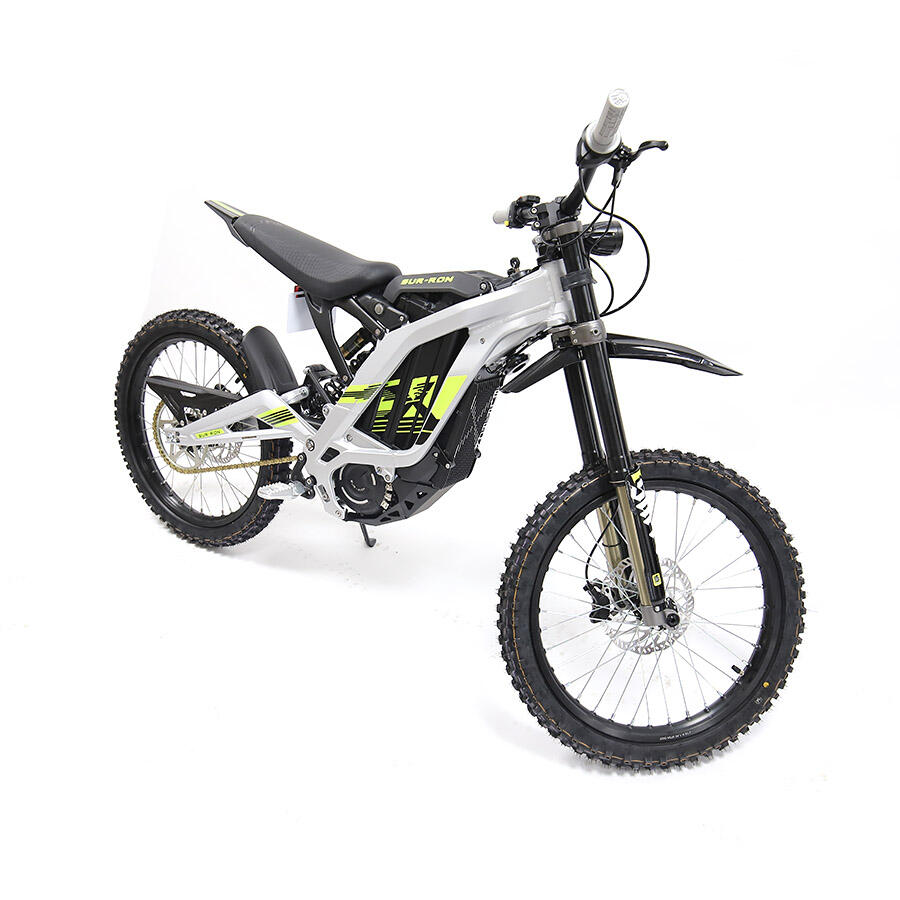
Maintaining your electric dirt bike's suspension system is critical to performance, safety, and longevity, especially for off-road riders who subject their machines to demanding terrain. The Surron Light Bee suspension components are engineered to handle rough trails, jumps, and aggressive riding, but they require regular maintenance to perform at their best. Understanding the correct service intervals for your Surron Light Bee suspension ensures you avoid costly repairs, maintain optimal handling characteristics, and maximize your investment in this high-performance electric motorcycle.
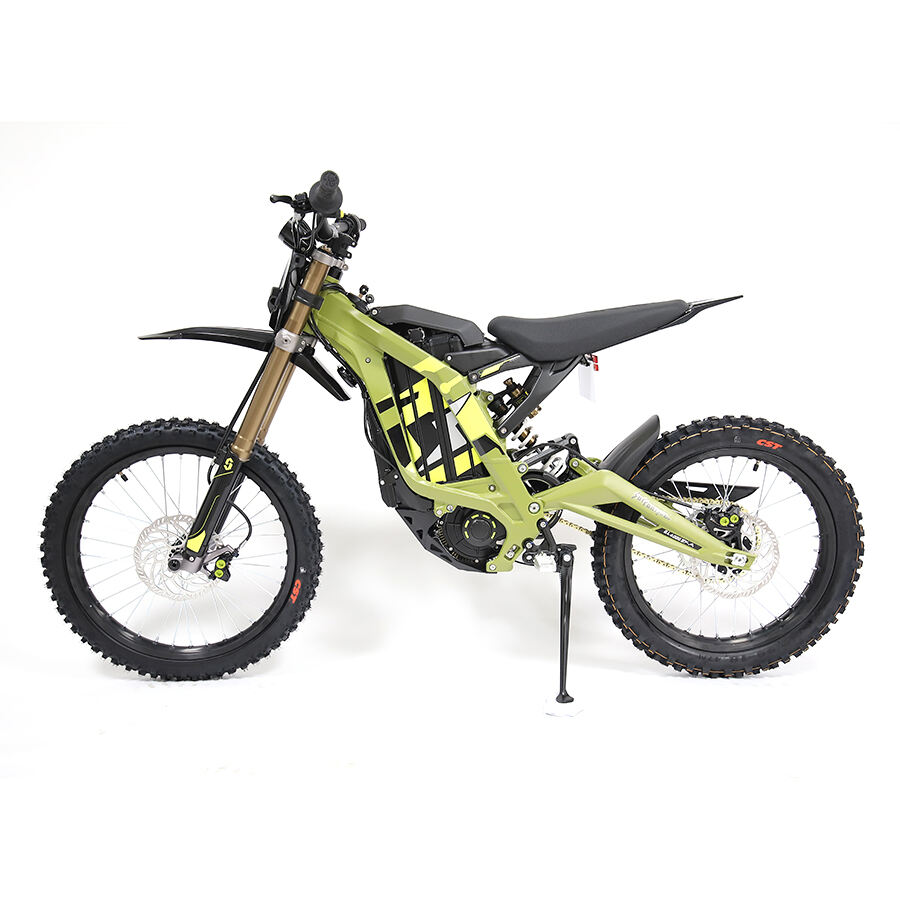
The service frequency for Surron Light Bee suspension systems depends on multiple factors including riding intensity, terrain type, environmental conditions, and your personal riding style. Professional riders who push their bikes to the limit on competitive trails require more frequent servicing than recreational weekend riders on moderate terrain. This comprehensive guide explains the recommended service intervals, warning signs that indicate immediate attention is needed, and the specific maintenance procedures required to keep your Surron Light Bee suspension performing like new across thousands of miles of off-road adventure.
Understanding Surron Light Bee Suspension Architecture and Service Fundamentals
Core Components That Require Regular Maintenance
The Surron Light Bee suspension system consists of front inverted forks and a rear mono-shock configuration, both containing critical internal components that degrade with use. The front fork assembly includes damping oil, seals, bushings, and spring components that work together to absorb impacts and maintain tire contact with uneven surfaces. The rear shock incorporates similar elements plus a linkage system that multiplies the wheel's vertical movement to compress the shock absorber efficiently. Each of these components experiences wear through normal operation, with seals being particularly vulnerable to contamination from dirt, mud, and moisture that penetrate during aggressive riding.
Your Surron Light Bee suspension relies on precisely calibrated oil viscosity and volume to provide consistent damping characteristics across the full range of compression and rebound cycles. As this oil breaks down through heat cycling and mechanical shearing, the suspension gradually loses its ability to control wheel movement effectively. Seals that protect internal components from external contamination also wear gradually, eventually allowing dirt intrusion that accelerates internal wear exponentially. Understanding this interconnected degradation pattern helps riders recognize why preventive maintenance intervals exist and why adhering to them protects both performance and component lifespan.
How Riding Conditions Accelerate Suspension Wear
The environment where you ride your electric dirt bike dramatically influences service interval requirements for the Surron Light Bee suspension components. Dusty desert conditions introduce fine particles that act as abrasive compounds on seal surfaces, potentially requiring service intervals 30 to 50 percent shorter than manufacturer baseline recommendations. Muddy trail riding presents different challenges, as clay and silt compounds can pack around fork seals and linkage points, creating persistent contamination that works past protective barriers over time. Riders in these harsh conditions often discover they need suspension service every 15 to 20 operating hours rather than the standard 30 to 40 hour baseline.
Temperature extremes also affect service frequency requirements for your Surron Light Bee suspension system. Cold weather riding causes seals to become temporarily less pliable, increasing friction and wear during initial ride segments before components reach operating temperature. High ambient temperatures combined with aggressive riding generate excessive heat in damping oil, accelerating its chemical breakdown and reducing effective service life. Coastal riders must contend with salt air exposure that promotes corrosion on external suspension components, requiring more frequent inspection and protective maintenance. These environmental factors combine with riding intensity to create unique service schedules for each rider's specific situation.
Manufacturer Baseline Recommendations Versus Real-World Practice
Factory service guidelines for the Surron Light Bee suspension typically recommend initial inspection at 20 operating hours, followed by comprehensive service intervals every 30 to 50 hours depending on component type. These baseline figures assume moderate recreational riding on varied terrain without extreme environmental contamination or competitive racing stress. However, experienced suspension technicians recognize that real-world conditions often necessitate more conservative service schedules to prevent progressive damage that compromises both performance and safety.
Professional riders and suspension specialists typically implement service intervals approximately 25 percent shorter than manufacturer minimums when bikes are used in demanding applications. This conservative approach accounts for the reality that suspension degradation is not linear but rather accelerates as wear progresses. A Surron Light Bee suspension that receives service at 25 operating hours instead of 40 will demonstrate measurably better long-term reliability and maintain consistent performance characteristics across its service life. The incremental cost of more frequent maintenance is substantially lower than the expense of replacing prematurely worn internal components or addressing damage caused by failed seals.
Specific Service Intervals for Front Fork Components
Oil Change Frequency and Viscosity Considerations
The damping oil in your Surron Light Bee suspension front forks should be replaced every 30 to 40 operating hours for recreational riders, or every 15 to 25 hours for aggressive and competitive riders. This oil serves multiple functions including lubrication of internal sliding surfaces, heat dissipation, and the primary damping medium that controls fork compression and rebound speed. As the oil ages through repeated compression cycles and heat exposure, its viscosity changes and contamination from microscopic wear particles accumulates, gradually degrading damping consistency and introducing the potential for accelerated component wear.
When servicing Surron Light Bee suspension forks, using the correct oil specification is essential to maintaining intended suspension characteristics. The fork manufacturer specifies oil viscosity based on damping piston orifice sizes and spring rates, creating a precisely calibrated system. Substituting incorrect viscosity oil will alter compression and rebound damping rates, potentially making the suspension feel harsh on small bumps while bottoming easily on larger impacts, or creating a mushy feel that reduces control precision. Professional suspension service includes measuring oil volume precisely, as even small variations affect damping behavior and can indicate internal wear that requires additional attention.
Seal and Bushing Replacement Protocols
Fork seals on the Surron Light Bee suspension typically require replacement every 40 to 60 operating hours under normal recreational conditions, though aggressive riders in contaminated environments may need replacement as frequently as every 25 hours. The primary symptom indicating seal replacement necessity is visible oil leakage on the outer fork tube surface, though experienced technicians recognize that performance degradation often precedes visible leakage. Seals that have lost elasticity allow minute amounts of contamination to enter the fork assembly, creating internal scoring that accelerates further degradation even after new seals are installed.
Bushings that guide the fork's sliding motion also wear gradually, creating increased lateral play that reduces steering precision and allows misalignment that accelerates seal wear. Most suspension specialists recommend inspecting bushings during every seal replacement service and replacing them if radial play exceeds manufacturer specifications. For the Surron Light Bee suspension, preventive bushing replacement every 80 to 100 operating hours ensures consistent fork performance and extends seal life by maintaining proper alignment. Riders who defer bushing service often discover they need seal replacements more frequently, ultimately spending more on maintenance than if they had addressed bushing wear proactively.
External Maintenance Between Major Services
Between comprehensive service intervals, your Surron Light Bee suspension benefits significantly from regular external maintenance that extends component life. After every ride in dusty or muddy conditions, gently cleaning the fork stanchion tubes with a soft cloth and mild soap removes abrasive particles before they can work past the seals during subsequent compression cycles. Some riders apply a thin film of suspension-specific lubricant to the exposed stanchion tubes before riding, creating a protective barrier that helps exclude contamination while reducing friction.
Inspecting fork seals visually before each ride takes only moments but can identify developing problems before they cause internal damage. Look for dirt accumulation around the seal lip, any discoloration indicating oil seepage, and check that the dust wiper moves freely without binding. If you notice oil film on the stanchion tubes after riding, wipe them clean immediately rather than allowing the oil to attract dirt that will be drawn into the seal during the next compression cycle. These simple preventive measures can extend Surron Light Bee suspension seal life by 30 percent or more, reducing both service frequency and long-term maintenance costs.
Rear Shock Service Requirements and Linkage Maintenance
Shock Absorber Internal Service Intervals
The rear shock on your Surron Light Bee suspension requires less frequent internal service than the front forks due to its more protected position and sealed construction, but the service when needed is more complex. Most manufacturers recommend shock oil and seal service every 50 to 75 operating hours for recreational riders, with competitive riders following intervals of 30 to 40 hours. The rear shock's damping oil experiences similar degradation patterns to fork oil but typically maintains performance longer because the shock's higher-pressure nitrogen charge helps maintain seal integrity and reduce contamination intrusion.
Professional shock service for the Surron Light Bee suspension includes complete disassembly, internal inspection, seal replacement, fresh damping oil installation, and nitrogen charge restoration to factory specifications. This service requires specialized tools and technical knowledge that most riders lack, making it advisable to use qualified suspension specialists rather than attempting shock service without proper equipment. Between major services, monitoring shock performance for signs of oil leakage, unusual noises during compression, or loss of damping control helps identify developing problems before internal damage occurs.
Linkage Bearing Replacement and Lubrication
The rear suspension linkage on the Surron Light Bee suspension contains multiple pivot points with bearings or bushings that require regular inspection and service to maintain optimal rear wheel control and extend shock life. These linkage bearings typically need cleaning, inspection, and relubrication every 20 to 30 operating hours, with complete bearing replacement recommended every 100 to 150 hours depending on riding conditions. Contamination that enters linkage bearings creates binding that alters rear suspension kinematics, potentially causing uneven tire wear, reduced traction, and accelerated shock wear from altered loading patterns.
Servicing Surron Light Bee suspension linkage bearings involves removing the shock, disconnecting linkage components, pressing out existing bearings, cleaning all mounting surfaces thoroughly, and installing new bearings with fresh grease. Many riders overlook linkage maintenance because these components appear simple and robust, but bearing degradation occurs gradually and often isn't noticed until handling characteristics have deteriorated significantly. Riders who maintain linkage bearings proactively report noticeably more consistent rear suspension performance and substantially longer shock seal life compared to those who service linkage components only when obvious problems develop.
Shock Mounting Hardware and Frame Inspection
The mounting points where your Surron Light Bee suspension shock connects to the frame and swingarm experience substantial cyclical loading that can cause fastener loosening or frame wear over time. Torque-checking all shock mounting bolts every 10 operating hours prevents looseness that allows movement and accelerates wear on both the shock's mounting hardware and the frame's attachment points. Using the correct torque specifications is essential, as under-tightened fasteners allow movement while over-tightened bolts can damage threads or distort mounting eyelets.
During linkage service, inspect frame mounting points and the swingarm pivot for any signs of wear, elongation, or cracking that could indicate structural problems. The Surron Light Bee suspension design places significant stress on these mounting locations, and any frame damage compromises both suspension performance and rider safety. Riders who frequently jump their bikes or ride extremely rough terrain should inspect these areas more frequently, as the repetitive high-impact loading accelerates wear. Applying anti-seize compound to mounting bolt threads during reassembly prevents corrosion bonding that can make future maintenance difficult while ensuring fasteners maintain proper tension.
Performance Indicators That Signal Immediate Service Requirements
Handling Changes That Indicate Suspension Degradation
Your Surron Light Bee suspension provides valuable feedback about its condition through subtle changes in handling characteristics that perceptive riders can detect before visible problems appear. One of the earliest indicators of declining suspension performance is increased harshness over small, high-frequency bumps that the suspension previously absorbed smoothly. This symptom typically indicates damping oil breakdown or increased internal friction from worn bushings, both of which reduce the suspension's ability to respond quickly to minor surface irregularities while maintaining tire contact.
Another significant performance change is a mushy or vague feel during aggressive cornering or braking, suggesting that damping control has deteriorated to the point where the suspension cannot effectively resist dive or squat forces. Riders may notice the bike bottoming more easily on jumps or impacts that previously were well-controlled, indicating either spring fatigue, damping oil degradation, or loss of nitrogen pressure in the rear shock. When you experience any of these handling changes with your Surron Light Bee suspension, schedule service promptly rather than continuing to ride on compromised components that will deteriorate further and potentially cause safety issues.
Visual and Auditory Warning Signs
Visible oil leakage on fork stanchions or around the rear shock body is an unambiguous indicator that your Surron Light Bee suspension requires immediate service attention. Even small amounts of seeping oil indicate seal degradation that will rapidly worsen as contamination enters the assembly and internal lubrication diminishes. Continuing to ride with leaking seals causes accelerated internal wear that transforms a simple seal replacement into a more extensive and expensive component overhaul.
Unusual sounds during suspension movement also signal developing problems requiring attention. A metallic clunking noise during compression or rebound often indicates excessive bushing wear, loose mounting hardware, or internal component damage. Squeaking or binding sensations suggest that lubrication has broken down or contamination has entered bearing surfaces. Some riders notice air escaping sounds from the rear shock, indicating nitrogen pressure loss that compromises damping performance. When your Surron Light Bee suspension begins making any unusual noises or demonstrating binding in its movement, discontinue aggressive riding and schedule comprehensive service to identify and address the underlying cause before secondary damage occurs.
Comparative Performance Testing
Experienced riders periodically evaluate their Surron Light Bee suspension performance by riding familiar terrain and consciously noting how the bike handles compared to its behavior when the suspension was freshly serviced. This comparative assessment helps identify gradual degradation that occurs so slowly that day-to-day riding doesn't reveal the performance loss. Recording suspension settings and maintaining notes about handling characteristics creates a baseline that makes deterioration easier to recognize before it reaches problematic levels.
Some riders photograph their bike's static sag measurements and ride height at specific intervals, creating visual documentation of whether suspension components are maintaining their intended geometry. Significant changes in these measurements between service intervals can indicate spring fatigue, shock pressure loss, or wear in linkage components that should be addressed. This systematic approach to monitoring Surron Light Bee suspension condition helps optimize service timing, ensuring components receive attention when needed rather than following arbitrary hour-based intervals that may not match your specific riding conditions and intensity.
Implementing a Practical Service Schedule for Your Riding Profile
Creating a Customized Maintenance Calendar
Developing an effective service schedule for your Surron Light Bee suspension begins with honestly assessing your riding frequency, intensity, and environmental conditions. Track operating hours using the bike's hour meter or by logging ride duration, then establish baseline service intervals that account for your specific usage pattern. Recreational riders on moderate terrain might implement 40-hour intervals for fork oil changes and 60-hour intervals for seal inspection, while aggressive riders in harsh conditions should consider 20-hour and 30-hour intervals respectively.
Document all service performed on your Surron Light Bee suspension in a maintenance log that includes date, operating hours, specific work completed, parts replaced, and any performance observations. This historical record helps identify patterns in component wear rates, validates whether your service intervals are appropriate, and provides valuable information if you sell the bike. Many riders discover that their actual service needs differ from initial estimates, with the maintenance log providing data to adjust intervals for optimal results. Regular riders should review their service calendar quarterly to ensure upcoming maintenance is scheduled before components reach critical wear points.
Seasonal Maintenance Considerations
Your Surron Light Bee suspension benefits from timing major service procedures to align with seasonal riding patterns and environmental transitions. Riders in temperate climates should consider comprehensive suspension service before the primary riding season begins, ensuring all components are fresh when usage intensity peaks. This approach maximizes performance during the most active riding months and allows components to enter winter storage in good condition if you're in a region where cold weather suspends riding activities.
Pre-winter preparation for stored bikes should include cleaning all external suspension components thoroughly to remove any accumulated contamination that could promote corrosion during storage. Some suspension specialists recommend slightly backing off spring preload during extended storage to reduce constant stress on seals and springs, though this practice is debated. Spring maintenance should include careful inspection of all seals and external components for any degradation that occurred during storage, replacing compromised parts before resuming regular riding. Riders who continue year-round operation should account for how seasonal temperature variations affect suspension performance and potentially adjust service intervals for particularly harsh winter or summer conditions.
Balancing DIY Maintenance With Professional Service
Determining which Surron Light Bee suspension maintenance tasks you can perform yourself versus procedures requiring professional expertise helps optimize both service quality and cost-effectiveness. External cleaning, basic inspection, torque-checking mounting hardware, and linkage lubrication are well within the capability of most mechanically inclined riders with basic tools. These regular tasks performed between professional services extend component life substantially and help identify developing problems early.
However, internal fork service and shock rebuilds require specialized tools, technical knowledge, and experience that justify using qualified suspension technicians. Professional service ensures correct assembly, proper oil volumes and specifications, accurate spring preload settings, and appropriate nitrogen charging for rear shocks. Many riders discover that attempting complex suspension service without adequate expertise results in performance issues or component damage that costs more to correct than professional service would have cost initially. Establishing relationships with experienced suspension specialists who understand electric dirt bike applications ensures your Surron Light Bee suspension receives expert attention when needed while you maintain routine external care between professional service intervals.
FAQ
How do I know if my Surron Light Bee suspension needs immediate service?
Visible oil leakage on fork tubes or the shock body, unusual noises during compression or rebound, significantly harsher ride quality over small bumps, or the suspension bottoming more easily than normal all indicate immediate service needs. Any sudden change in handling characteristics should prompt inspection before continuing aggressive riding. If you notice dirt accumulation around seals that won't clean away easily, this suggests seal damage allowing contaminants to enter the assembly, requiring prompt service to prevent internal component damage.
Can I extend service intervals if I ride primarily on smooth trails?
Riders on consistently smooth terrain can moderately extend service intervals compared to aggressive off-road riders, but suspension components still experience wear from normal compression cycles, temperature variations, and seal aging even without severe impact loading. A reasonable approach is extending baseline intervals by approximately 25 percent for smooth-trail riding, so a standard 30-hour fork oil change interval might extend to 35-40 hours. However, never exceed manufacturer maximum recommendations regardless of terrain, as oil degradation and seal aging occur with time even when operating hours are low.
What happens if I delay suspension service beyond recommended intervals?
Delaying Surron Light Bee suspension service allows degraded damping oil to accelerate internal wear, compromised seals to admit contamination that scores precision surfaces, and worn bushings to create misalignment that damages other components. The progressive nature of suspension wear means that catching problems early through timely service prevents much more expensive repairs later. Riders who consistently defer maintenance often face complete fork or shock rebuilds costing several times what preventive service would have cost, plus they experience degraded performance and potentially unsafe handling during the period when components are wearing beyond acceptable limits.
Should service intervals be based on operating hours or calendar time?
The most comprehensive approach uses both operating hours and calendar time, servicing your Surron Light Bee suspension based on whichever threshold is reached first. Active riders who accumulate hours quickly should follow hour-based intervals, while occasional riders should implement calendar-based service even if hour thresholds haven't been met. Suspension oil degrades gradually even when not in use, seals can dry out during long storage periods, and corrosion can develop on internal components when moisture is present. A practical guideline is servicing suspension components at least annually regardless of operating hours, or at the recommended hour interval, whichever comes first.
Table of Contents
- Understanding Surron Light Bee Suspension Architecture and Service Fundamentals
- Specific Service Intervals for Front Fork Components
- Rear Shock Service Requirements and Linkage Maintenance
- Performance Indicators That Signal Immediate Service Requirements
- Implementing a Practical Service Schedule for Your Riding Profile
- FAQ