 EN
EN

Electric dirt bikes have revolutionized off-road riding, and the Surron Light Bee stands as one of the most popular models among enthusiasts and commuters alike. However, many riders struggle to achieve optimal Surron Light Bee battery life, often finding their power reserves depleting faster than expected. The lithium-ion battery pack that powers this electric motorcycle represents a significant investment, and understanding how to preserve its capacity through everyday habits can dramatically extend both ride time and overall battery lifespan. Whether you're using your Light Bee for trail riding, urban commuting, or weekend adventures, the way you charge, store, and operate your electric bike directly impacts how long your battery will serve you reliably.
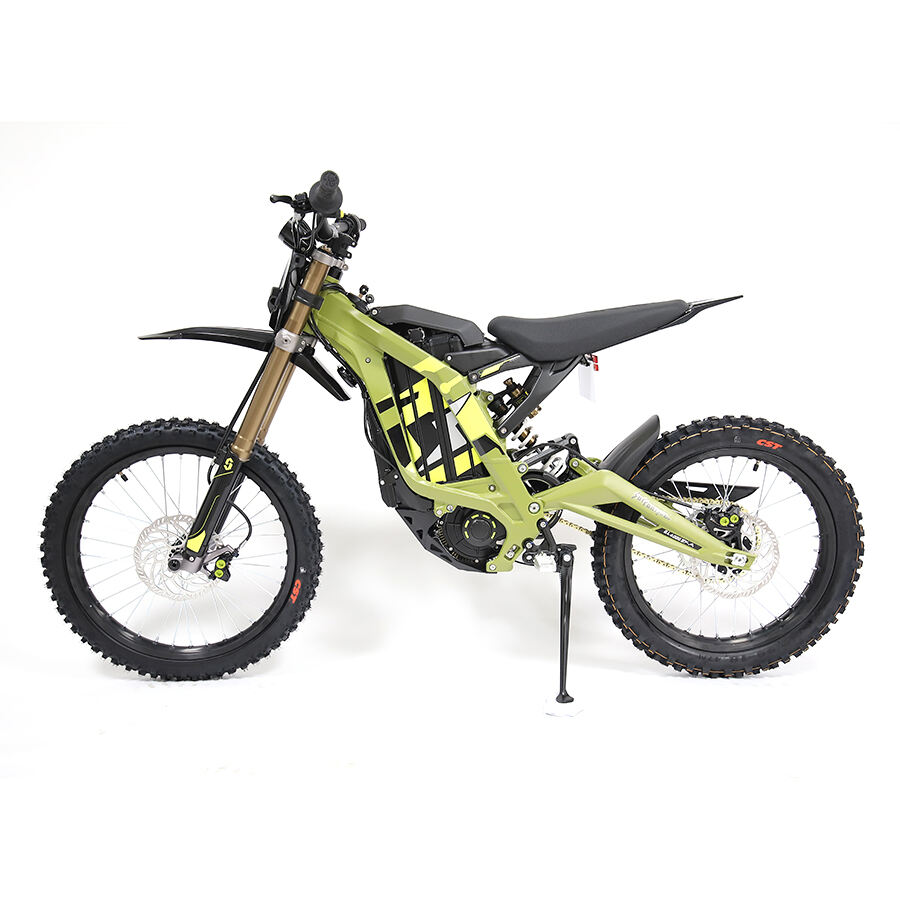
Maximizing Surron Light Bee battery life doesn't require expensive equipment or complex technical knowledge. Instead, it relies on developing simple, consistent habits that align with how lithium-ion cells naturally function. From charging practices and storage conditions to riding techniques and maintenance routines, small adjustments in your daily approach can yield substantial improvements in battery performance. This comprehensive guide explores practical strategies that any Light Bee owner can implement immediately to protect their battery investment, extend runtime per charge, and maintain healthy capacity over thousands of charge cycles. By understanding the relationship between your habits and battery chemistry, you'll unlock the full potential of your electric dirt bike while avoiding premature degradation.
Understanding Battery Chemistry and Degradation Factors
How Lithium-Ion Batteries Power Your Surron Light Bee
The Surron Light Bee utilizes advanced lithium-ion battery technology, typically configured as a 60V system with various amp-hour capacities depending on the model. These batteries consist of multiple individual cells connected in series and parallel configurations to deliver the voltage and current needed for powerful electric motor performance. Each cell contains lithium compounds that facilitate the movement of ions between anode and cathode during charging and discharging cycles. Understanding this fundamental chemistry helps explain why certain habits either preserve or accelerate Surron Light Bee battery life degradation.
Lithium-ion cells operate most efficiently within specific voltage ranges, and forcing them beyond these parameters causes internal stress that reduces capacity over time. When you accelerate hard or climb steep inclines, high discharge rates generate heat and create mechanical stress within the cell structure. Similarly, charging to absolute maximum capacity or draining the battery completely triggers chemical reactions that gradually diminish the battery's ability to hold charge. The battery management system in your Light Bee provides some protection, but your daily habits remain the primary determinant of long-term battery health.
Primary Causes of Premature Battery Capacity Loss
Several factors contribute to accelerated degradation of Surron Light Bee battery life, with heat exposure ranking among the most destructive. Elevated temperatures increase the rate of unwanted chemical reactions inside battery cells, breaking down the electrolyte and damaging the delicate electrode structures. Whether from external environmental conditions, aggressive riding that generates internal heat, or improper charging practices, thermal stress compounds with each exposure. Riders in hot climates or those who frequently push their bikes to maximum performance often notice faster capacity decline if they don't implement cooling strategies.
Deep discharge cycles represent another major threat to battery longevity. While it might seem intuitive to use every available electron before recharging, lithium-ion chemistry actually prefers shallow discharge cycles. Running your battery down to the point where the bike loses power or the battery management system triggers cutoff creates mechanical stress within the cell structure and accelerates the formation of solid electrolyte interfaces that reduce capacity. Maintaining charge levels between twenty and eighty percent during regular use significantly extends the total number of cycles your battery can deliver before noticeable degradation occurs.
The Role of Charge Cycles in Battery Lifespan
Battery manufacturers rate Surron Light Bee battery life in terms of charge cycles, typically promising between 800 and 1500 full cycles before capacity drops to eighty percent of original specification. However, this rating assumes ideal conditions that rarely exist in real-world use. A full cycle represents discharging from one hundred percent to zero and back again, but partial cycles accumulate proportionally. Charging from fifty to eighty percent counts as only thirty percent of one cycle, meaning you can technically achieve thousands of partial cycles while preserving capacity far longer than if you regularly perform deep discharges.
The relationship between depth of discharge and cycle life follows an exponential curve rather than a linear one. Shallow cycles cause minimal stress, while deep cycles accelerate degradation disproportionately. By adjusting your charging habits to maintain your battery in the middle range of its capacity, you effectively multiply the useful lifespan of the pack. This approach requires more frequent charging sessions but delivers substantially better long-term value by postponing the expensive battery replacement that eventually becomes necessary with all electric vehicles.
Optimal Charging Practices for Extended Battery Health
Establishing Smart Charging Routines
Developing consistent charging habits represents the single most impactful strategy for maximizing Surron Light Bee battery life. Rather than waiting until your battery reaches critical levels, establish a routine of charging after each ride or when capacity drops to around thirty to forty percent. This approach keeps your battery within its optimal operating range while avoiding the stress associated with deep discharge. Many experienced riders charge their Light Bee overnight after every use, ensuring they start each day with adequate power without ever pushing the battery into damaging low-voltage territory.
Charging speed also influences battery longevity, with slower charging generally proving gentler on cell chemistry. The standard charger provided with your Surron Light Bee battery life typically operates at a moderate rate that balances convenience with battery preservation. Resist the temptation to upgrade to ultra-fast chargers unless absolutely necessary, as rapid charging generates heat and forces ions to move through the cell structure at speeds that accelerate wear. If you must use fast charging occasionally for convenience, try to make it the exception rather than your standard practice.
Managing Charge Levels for Maximum Longevity
Professional battery experts consistently recommend avoiding both extremes of the charge spectrum for daily use. Charging to one hundred percent seems logical, but keeping lithium-ion cells at maximum voltage creates ongoing stress that gradually reduces capacity. Similarly, allowing your Surron Light Bee battery life to drain below twenty percent forces the cells into voltage ranges where damaging chemical reactions accelerate. The ideal practice involves charging to approximately eighty to ninety percent for regular rides and only reaching full capacity when you specifically need maximum range for an extended adventure.
Some riders install timers or smart plugs to interrupt charging before reaching absolute full capacity, while others simply monitor the charging process and disconnect when the indicator shows eighty to ninety percent. This habit alone can extend total battery lifespan by thirty to fifty percent compared to always charging to maximum. When you do need full capacity for a long ride, charge to one hundred percent but begin your ride promptly rather than allowing the battery to sit at full charge for extended periods, as storage at maximum voltage accelerates degradation even when the battery isn't being used.
Temperature Considerations During Charging
Charging your Surron Light Bee in extreme temperatures significantly impacts battery health and long-term capacity retention. Cold temperatures slow the chemical reactions necessary for efficient charging, potentially causing lithium plating on the anode if you charge too quickly in freezing conditions. This plating permanently reduces capacity and can even create safety hazards. Conversely, charging in hot environments accelerates unwanted side reactions that degrade the electrolyte and electrode materials. The ideal charging temperature range falls between fifty and eighty degrees Fahrenheit, where chemical processes proceed efficiently without excessive stress.
When returning from a hard ride, allow your battery to cool for at least fifteen to thirty minutes before connecting the charger. The battery generates significant heat during high-power discharge, and immediately charging while still warm compounds thermal stress. If you've been riding in cold weather, bringing the bike into a warmer space before charging helps ensure efficient charging without the risks associated with cold-temperature charging. These temperature management practices cost nothing but deliver substantial benefits for Surron Light Bee battery life preservation.
Riding Techniques That Preserve Battery Capacity
Throttle Management and Acceleration Patterns
How you operate the throttle directly influences both immediate range and long-term Surron Light Bee battery life. Aggressive acceleration from a standstill demands high current draw that generates heat and stresses the battery cells. Instead, practice smooth, progressive throttle application that allows the motor to build speed gradually. This technique not only extends your range per charge by reducing energy consumption but also minimizes the peak current demands that accelerate battery degradation. Think of throttle control as a long-term investment in your battery's health rather than just a range-extending technique.
When climbing hills or navigating challenging terrain, anticipate power demands and build momentum before steep sections rather than attacking them from a standstill. Maintaining steady power output proves far more efficient than the dramatic variations between wide-open throttle and coasting. Experienced riders develop an intuitive feel for their bike's power delivery, learning to modulate throttle input to match terrain demands while keeping battery strain within reasonable limits. This smooth riding style becomes second nature with practice and pays dividends in both enjoyable ride characteristics and extended battery lifespan.
Regenerative Braking and Energy Recovery
The Surron Light Bee features regenerative braking capability that converts kinetic energy back into electrical charge during deceleration. While this system doesn't dramatically extend range, proper use reduces the total energy drawn from the battery during each ride. Learn to anticipate stops and downhill sections where you can rely on regenerative braking rather than mechanical brakes, allowing the motor to act as a generator that returns electrons to the battery. This recovered energy reduces the depth of discharge during your ride, which directly contributes to better long-term Surron Light Bee battery life.
However, regenerative braking also generates heat in both the motor and battery, so excessive reliance shouldn't replace proper mechanical braking for safety-critical situations. The key involves finding a balance where you capture available energy during normal riding without forcing the battery to accept charge at rates that cause thermal issues. On long descents, monitor your battery temperature if your bike includes this feature, and use mechanical brakes periodically to prevent the battery from overheating due to sustained regenerative charging at high rates.
Speed Selection and Efficiency Zones
Electric motors operate most efficiently within specific RPM ranges, and selecting appropriate speeds for your riding conditions influences both immediate energy consumption and cumulative battery stress. The Surron Light Bee delivers maximum efficiency at moderate speeds between twenty and thirty-five miles per hour on flat terrain, where motor efficiency peaks and wind resistance remains manageable. Consistently riding at maximum speed dramatically increases energy consumption while also forcing the battery to sustain high discharge rates that generate heat and accelerate capacity loss over time.
Understanding your typical riding environment allows you to select power modes and speeds that optimize Surron Light Bee battery life without sacrificing riding enjoyment. For trail riding with frequent stops and varied terrain, lower power modes reduce peak demands while still providing adequate performance. For longer road sections, moderate speeds in higher gears maintain momentum efficiently. By matching your riding approach to the characteristics of your route, you reduce unnecessary battery strain while often discovering that slightly slower speeds deliver more enjoyable, controlled riding experiences.
Storage and Maintenance Habits for Battery Preservation
Proper Long-Term Storage Procedures
When storing your Surron Light Bee for extended periods, whether due to seasonal weather or life circumstances, proper battery maintenance becomes critical for preserving capacity. Lithium-ion batteries deteriorate faster when stored at full charge or in depleted states, making the storage charge level a crucial consideration. Battery experts recommend storing at approximately fifty to sixty percent capacity for periods longer than two weeks, as this voltage range minimizes the chemical reactions that cause self-discharge and capacity loss. Before putting your bike away for winter or extended storage, charge or discharge to this middle range rather than leaving it at whatever level it happens to reach.
Storage temperature significantly impacts the rate of capacity degradation during idle periods. Cool, dry environments between forty and sixty degrees Fahrenheit provide ideal conditions that slow self-discharge and minimize chemical degradation. Avoid storing your Light Bee in hot garages, near heating equipment, or in direct sunlight, as elevated temperatures accelerate capacity loss even when the battery isn't being used. If possible, remove the battery from the bike and store it indoors in a climate-controlled space, as this practice also protects the battery management system electronics from temperature extremes and humidity. Check the charge level monthly during storage and top up to the fifty to sixty percent range if it drops significantly, as allowing the battery to self-discharge to very low levels can cause permanent damage.
Regular Maintenance and Inspection Routines
Incorporating battery-specific checks into your regular Surron Light Bee maintenance schedule helps identify potential issues before they cause serious problems. Inspect the battery housing and connections monthly for signs of damage, corrosion, or loose fittings that could compromise electrical integrity or allow moisture intrusion. Clean the battery terminals and mounting points periodically to ensure solid electrical contact, as resistance at connection points generates heat that stresses the battery. Verify that mounting hardware remains tight, as vibration and movement can damage internal cell connections over time.
Monitor your battery's performance characteristics to detect early signs of degradation. Track your typical range under consistent riding conditions and note any significant decreases that might indicate capacity loss or cell imbalance. Many riders maintain simple logs recording charge times, riding distances, and any unusual behavior. If you notice that your Surron Light Bee battery life seems substantially shorter than expected or that charging times have changed dramatically, consult with a qualified technician to assess whether the battery management system requires recalibration or whether cell balancing might restore some lost capacity.
Environmental Protection Strategies
Protecting your battery from environmental hazards extends beyond storage considerations to include every ride and parking situation. When riding in wet conditions, ensure that all battery compartment seals remain intact and functional, as moisture intrusion can cause corrosion and electrical faults that compromise both safety and longevity. After riding in rain or through water crossings, inspect the battery area for any signs of moisture penetration and allow adequate drying time before charging. Some riders apply additional weatherproofing treatments to seams and potential entry points, though care must be taken not to block necessary ventilation.
Dust and debris accumulation also threatens Surron Light Bee battery life by insulating the pack and preventing adequate heat dissipation during operation. Clean the battery compartment and cooling vents regularly, especially after riding in dusty or muddy conditions. This simple maintenance task ensures that air can circulate properly around the battery during demanding rides, helping manage temperatures within safe ranges. Consider using protective covers when parking outdoors to shield the bike from direct sun exposure, which can heat the battery even when not in use and accelerate degradation during summer months.
Environmental and Operational Factors to Consider
Climate Adaptation for Different Seasons
Seasonal temperature variations require adjustments to your battery care routine to maintain optimal Surron Light Bee battery life throughout the year. During summer months, heat management becomes paramount as ambient temperatures combine with discharge heat to push battery temperatures into ranges that accelerate degradation. Plan rides during cooler parts of the day when possible, allow extra cooling time between rides if making multiple trips, and avoid leaving your bike in direct sunlight where the battery can heat-soak even when idle. Consider reducing power modes slightly during extreme heat to lower internal heat generation during discharge.
Winter presents opposite challenges, as cold temperatures reduce battery efficiency and available capacity. Lithium-ion batteries deliver significantly less power when cold, and their internal resistance increases, making them less efficient. Store your bike in the warmest available space and allow the battery to warm to room temperature before riding when possible. Some riders use insulated battery covers or even heating pads designed for electric vehicle batteries to maintain temperature during cold weather use. Remember that capacity naturally decreases in cold weather but will return as temperatures rise, so apparent capacity loss during winter doesn't necessarily indicate permanent degradation.
Terrain-Specific Battery Management
The type of terrain you regularly ride significantly influences battery stress levels and appropriate management strategies. Technical single-track riding with constant elevation changes and obstacles demands frequent high-power bursts that generate substantial heat and draw peak currents. Riders who focus on this demanding terrain should pay extra attention to cooling between rides and consider more frequent charging to avoid deep discharge cycles. The battery experiences more stress during one hour of technical trail riding than during several hours of smooth cruising, so adjust your post-ride care accordingly.
Urban commuters face different challenges, with frequent stops and starts creating repetitive charge-discharge cycles. While individual demands might be less intense than trail riding, the cumulative effect of many small cycles throughout each ride still impacts long-term Surron Light Bee battery life. City riders benefit particularly from regenerative braking optimization and from maintaining charge levels in the middle range rather than running low before recharging. Planning routes to minimize stop-and-go traffic and selecting smooth acceleration patterns reduces unnecessary battery stress during daily commutes.
Load and Weight Considerations
The total weight your Surron Light Bee carries directly affects battery demand and stress levels during operation. Heavier riders or those carrying significant cargo force the motor to draw more current to achieve the same performance, increasing both heat generation and discharge rates. While you can't always control these factors, awareness helps you adjust other habits to compensate. Riders at the upper end of the weight capacity might benefit from slightly conservative power mode selection and more attentive temperature management to offset the increased battery stress inherent to moving more mass.
Cargo and accessory choices also impact battery workload. Adding heavy accessories, luggage, or a passenger increases energy consumption and battery stress. When carrying loads, plan for reduced range and implement extra cooling time between rides or charging sessions. Remove unnecessary weight when possible to minimize battery demands, and consider the cumulative impact of accessories on your bike's total weight. Even small reductions in carried weight translate to measurable decreases in battery stress over thousands of miles of riding.
FAQ
How often should I charge my Surron Light Bee to maximize battery lifespan?
For optimal battery longevity, charge your Surron Light Bee after each ride or when the battery reaches thirty to forty percent capacity, rather than waiting for deep discharge. Frequent shallow charging cycles prove far less stressful to lithium-ion cells than occasional deep cycles. Aim to keep your battery between twenty and eighty percent during regular use, only charging to one hundred percent when you specifically need maximum range. This approach significantly extends the total number of cycles your battery can deliver before experiencing noticeable capacity degradation.
What is the ideal storage charge level for my Light Bee battery during winter?
When storing your Surron Light Bee for extended periods, maintain the battery at approximately fifty to sixty percent charge rather than full or empty. This middle voltage range minimizes the chemical reactions that cause self-discharge and capacity loss during storage. Check the charge level monthly and recharge to this range if it drops significantly, as allowing the battery to self-discharge to very low levels can cause permanent damage to the cells and battery management system.
Does riding at maximum speed significantly reduce battery lifespan beyond just decreasing range?
Yes, consistently riding at maximum speed not only reduces range per charge but also accelerates long-term battery degradation. High-speed operation forces the battery to sustain elevated discharge rates that generate excessive heat and create mechanical stress within the cell structure. This thermal and electrical stress accumulates over time, reducing total battery lifespan. Moderate speeds between twenty and thirty-five miles per hour optimize both efficiency and battery preservation, allowing you to enjoy your Light Bee while protecting your investment.
Can I improve my existing battery's performance if I haven't been following best practices?
While you cannot reverse capacity loss that has already occurred, implementing proper habits immediately will slow further degradation and help you extract maximum value from your battery's remaining capacity. Some battery management systems benefit from occasional recalibration cycles that can restore accurate capacity readings, though this doesn't actually recover lost capacity. Focus on temperature management, avoiding deep discharges, and maintaining appropriate charge levels going forward. These practices will preserve whatever capacity remains and ensure you get the longest possible service life from your current battery before replacement becomes necessary.
Table of Contents
- Understanding Battery Chemistry and Degradation Factors
- Optimal Charging Practices for Extended Battery Health
- Riding Techniques That Preserve Battery Capacity
- Storage and Maintenance Habits for Battery Preservation
- Environmental and Operational Factors to Consider
-
FAQ
- How often should I charge my Surron Light Bee to maximize battery lifespan?
- What is the ideal storage charge level for my Light Bee battery during winter?
- Does riding at maximum speed significantly reduce battery lifespan beyond just decreasing range?
- Can I improve my existing battery's performance if I haven't been following best practices?