 EN
EN

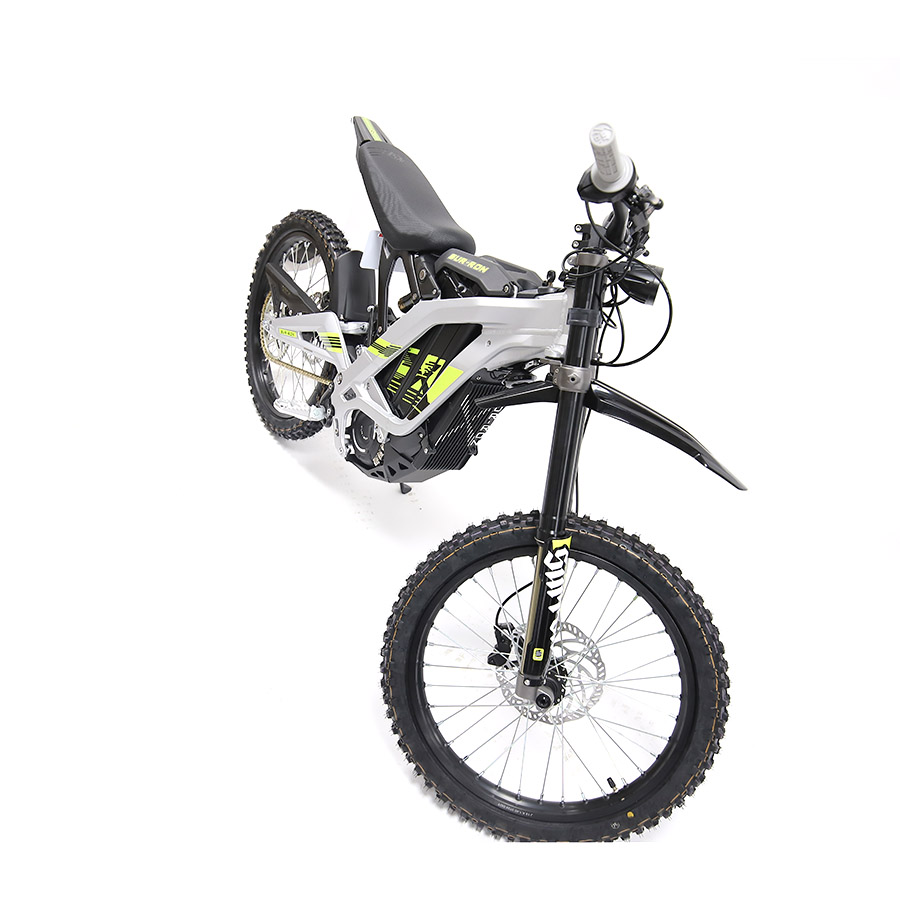
The question of whether an electric dirt bike can outperform a 250cc four-stroke on a steep hill climb is no longer a theoretical debate. Riders who have tested both side by side on technical terrain consistently report that the electric dirt bike delivers a fundamentally different power experience, one that challenges long-held assumptions about combustion engine dominance in off-road climbing scenarios. The answer, in short, is yes — under the right conditions, an electric dirt bike can and does outperform a 250cc four-stroke on hill climbs.
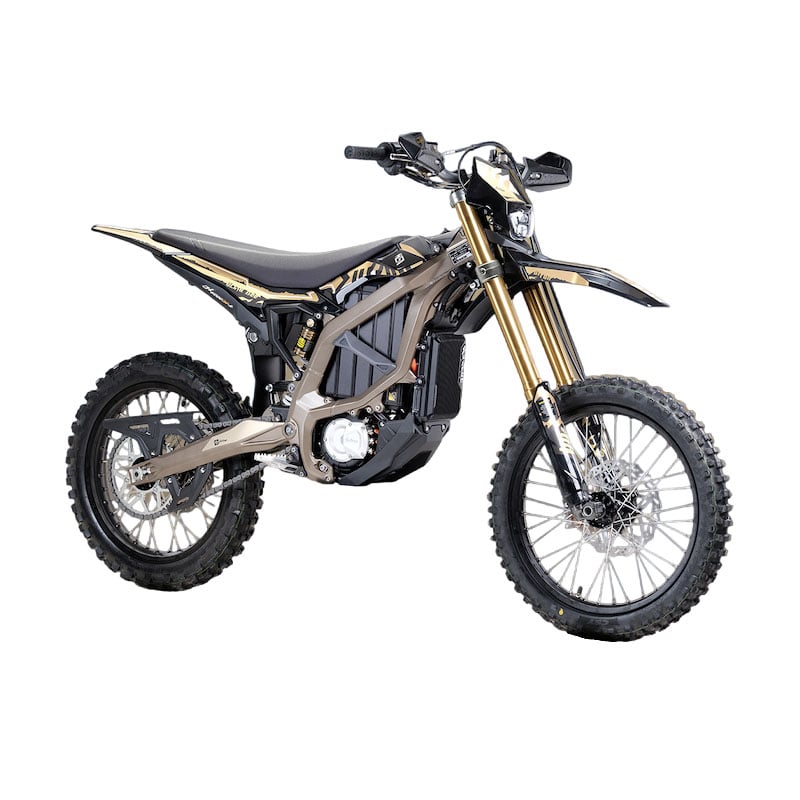
Understanding why the electric dirt bike performs so well on climbs requires looking closely at how its motor delivers power compared to a traditional four-stroke engine. A 250cc four-stroke must rev through its powerband before producing meaningful torque, while an electric dirt bike produces maximum torque from the very first moment the throttle is applied. This instant torque delivery is the defining advantage that makes the electric dirt bike a serious contender — and often the winner — on steep and technical ascents.
The Torque Advantage of an Electric Dirt Bike on Climbs
Instant Torque vs Powerband Climbing
When a rider attacks a hill climb, the most critical factor is how quickly usable torque reaches the rear wheel. A 250cc four-stroke engine builds torque progressively as engine speed rises, which means the rider must manage clutch engagement and throttle carefully to stay within the powerband. An electric dirt bike eliminates this complexity entirely. The electric dirt bike delivers its full torque output at zero RPM, meaning the moment the throttle opens, maximum force is already pushing the bike upward.
This characteristic gives the electric dirt bike a measurable advantage on loose or rocky inclines where wheel slip and momentum loss are constant threats. With a 250cc four-stroke, losing momentum mid-climb often means a stall or a missed powerband window. The electric dirt bike simply responds immediately, reapplying torque the instant the throttle is engaged again. For technical hill climbs with unpredictable surface changes, the electric dirt bike is more forgiving and more responsive than its combustion counterpart.
High Torque Figures and Real-World Climbing Force
Modern performance-focused electric dirt bike models now offer torque figures that would be extraordinary even on large-displacement machines. A high-performance electric dirt bike can deliver 520 Nm of torque at the wheel, a figure that a 250cc four-stroke simply cannot match mechanically. This torque advantage translates directly into climbing force, allowing the electric dirt bike to push through resistance that would cause a 250cc engine to bog or stall. The electric dirt bike achieves this without gear changes, without clutch management, and without needing to maintain a specific RPM range.
Conditions Where the Electric Dirt Bike Dominates
Loose Terrain and Low-Speed Climbs
The electric dirt bike is particularly dominant on loose dirt, gravel, and wet grass climbs where traction is inconsistent. Because the electric dirt bike delivers smooth, controllable torque rather than sudden combustion pulses, riders can modulate power finely to prevent wheelspin. On the same terrain, a 250cc four-stroke often produces abrupt power surges that break traction, causing the rear wheel to dig or slide. The electric dirt bike allows the rider to maintain forward momentum more consistently, which is precisely what technical hill climbing demands.
Short, punchy climbs that require explosive acceleration from a near-stop are where the electric dirt bike is almost unbeatable. The electric dirt bike launches with full torque immediately, while the 250cc four-stroke requires clutch slipping and careful throttle control to avoid stalling or spinning out. Riders transitioning from gas bikes to an electric dirt bike commonly report that hill starts feel effortless by comparison.
Sustained Climbs and Thermal Efficiency
On longer sustained climbs, the electric dirt bike maintains consistent power output without the thermal degradation that affects combustion engines under load. A 250cc four-stroke running hard on a long incline may experience heat soak, fuel mixture changes, or power drop-off as conditions change. The electric dirt bike delivers stable performance throughout the climb as long as battery charge supports it. For course-length or enduro-style climbs, this consistency gives the electric dirt bike a practical competitive edge that raw peak power numbers alone do not capture.
Where the 250cc Four-Stroke Still Holds Ground
High-Speed Rocky Climbs and Weight Dynamics
The electric dirt bike does not dominate in every hill climbing scenario. On fast, high-speed climbs where a 250cc four-stroke can carry high RPM momentum, the combustion engine's sustained high-rev power output can keep pace with or exceed the electric dirt bike. The electric dirt bike carries battery weight that affects handling on high-speed technical sections where chassis agility matters as much as torque. Riders who prefer fast attack-style hill climbs may find the 250cc four-stroke more natural to manage at speed.
Range and Repeated Climbing Sessions
Battery range is a real consideration when comparing the electric dirt bike to a 250cc four-stroke for extended riding sessions. An electric dirt bike used aggressively on multiple consecutive hill climbs will deplete its battery faster than relaxed trail riding. A 250cc four-stroke can be refueled quickly and continue indefinitely. For competitive events requiring repeated hill climb attempts, the electric dirt bike requires careful battery management. This is not a performance limitation but a logistical factor that serious riders must plan around when choosing the electric dirt bike for competitive use.
FAQ
Does an electric dirt bike have enough torque for steep hill climbs?
Yes, a modern high-performance electric dirt bike produces instant maximum torque from zero RPM, which is ideal for steep climbs. The electric dirt bike often delivers more usable torque at low speeds than a comparable 250cc four-stroke engine.
Is an electric dirt bike heavier than a 250cc four-stroke?
An electric dirt bike is generally heavier due to its battery pack, but the torque advantage of the electric dirt bike offsets the weight penalty on most climbing scenarios. Handling differences become more noticeable at higher speeds.
Can an electric dirt bike compete in off-road hill climb events?
Yes, an electric dirt bike is increasingly competitive in off-road hill climb events. The electric dirt bike excels in technical, low-speed, and loose-terrain climbs, making it a strong performer in most amateur and competitive hill climb formats.