 EN
EN

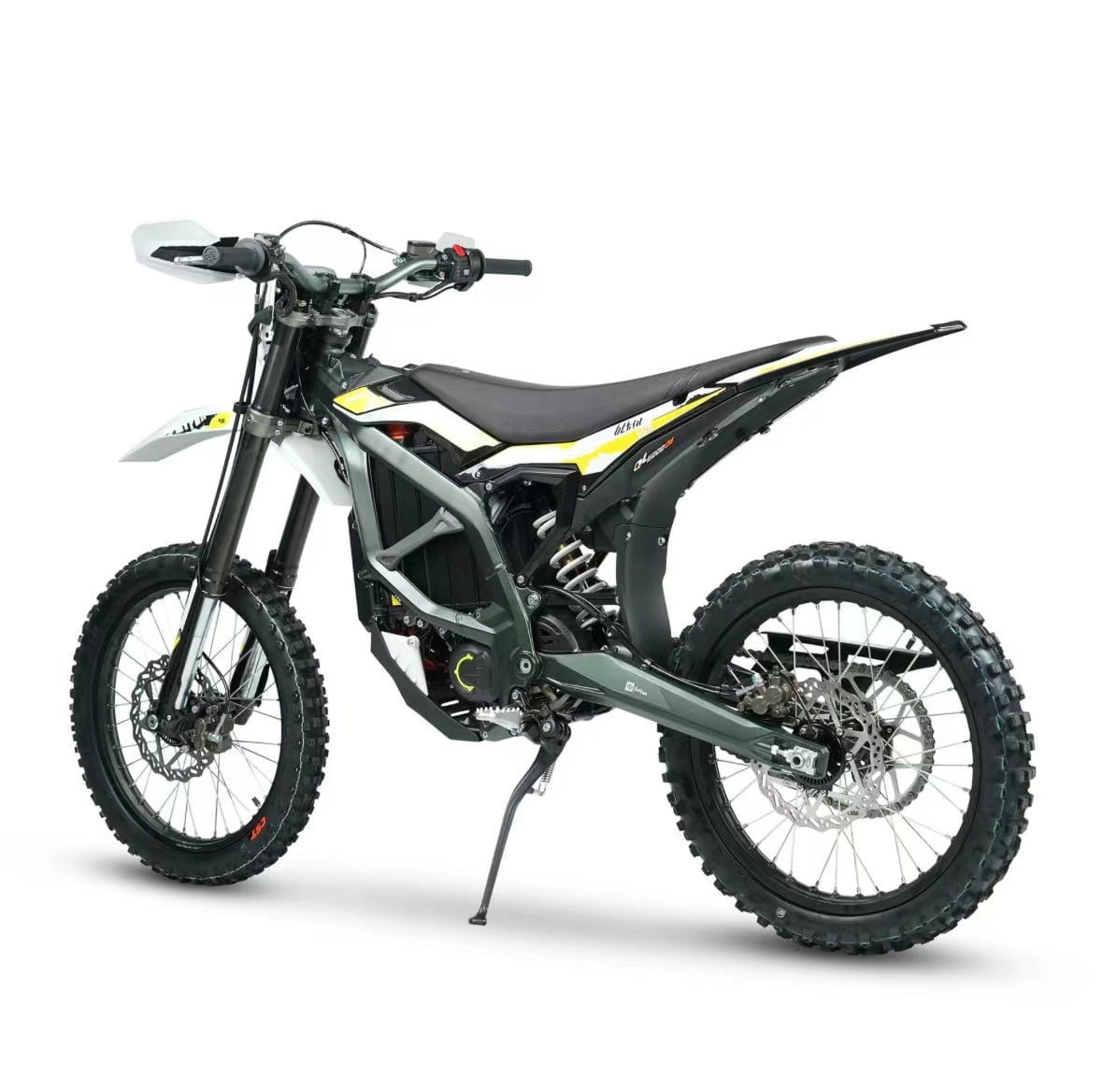
The Surron electric dirt bike has earned a strong reputation in the off-road riding community, and much of that reputation comes down to its engineering fundamentals. Unlike conventional gasoline-powered dirt bikes that rely on heavy combustion engines and complex drivetrain components, the Surron electric dirt bike is built around a structural philosophy that prioritizes lightweight rigidity, clean power delivery, and off-road resilience. Understanding what gives this machine its structural edge helps riders and buyers make informed decisions about whether it is the right platform for their riding needs.
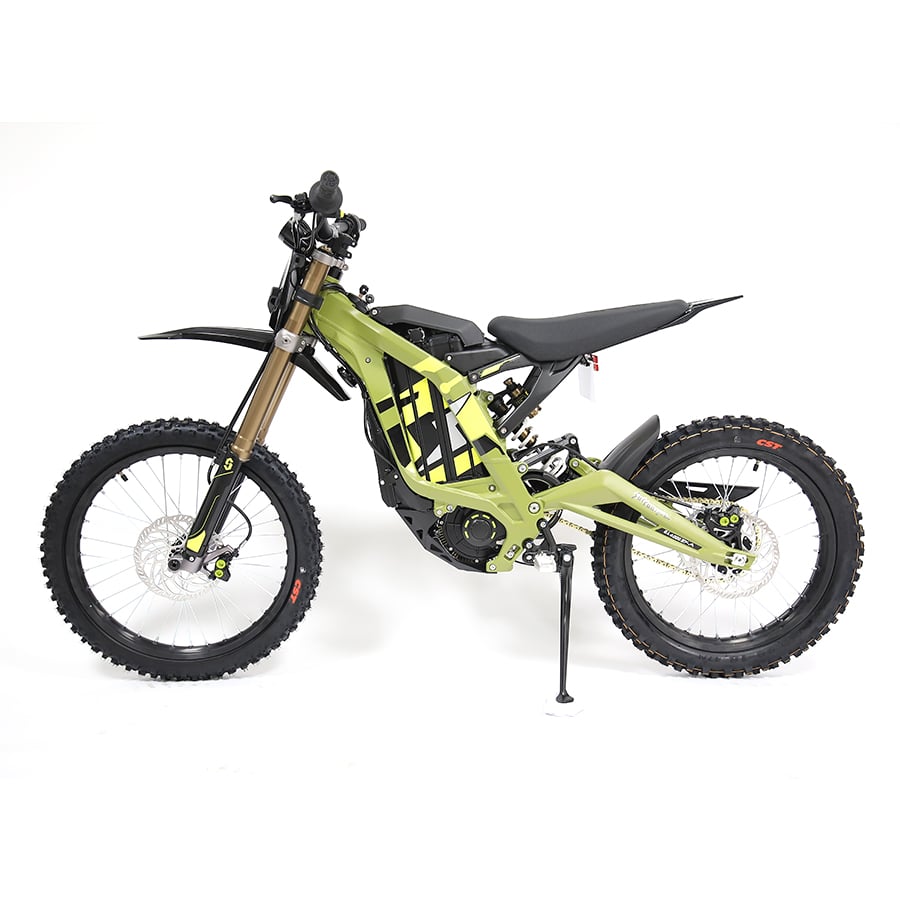
At the core of what makes the Surron electric dirt bike stand apart is a series of deliberate structural decisions that affect everything from handling and durability to maintenance demands and rider comfort. This article examines the main structural advantages that define the Surron electric dirt bike, breaking down the frame geometry, motor integration, suspension design, battery placement, and overall build quality that work together to deliver a uniquely capable off-road machine. Whether you are a competitive trail rider, a recreational adventurer, or a fleet buyer sourcing for training purposes, the structural profile of the Surron electric dirt bike offers compelling reasons to pay close attention.
Lightweight Frame Architecture and Material Choice
Aluminum Alloy Frame Construction
The foundation of the Surron electric dirt bike is its aluminum alloy frame, a structural decision that has far-reaching consequences for performance and usability. Aluminum alloy is significantly lighter than the steel used in many traditional dirt bikes, and this weight reduction directly improves the power-to-weight ratio of the entire machine. A lighter frame means less mass for the motor to push through rough terrain, resulting in snappier acceleration response and more agile cornering behavior. For off-road applications where riders frequently need to maneuver over obstacles, this structural choice makes a tangible difference.
Beyond weight, aluminum alloy also brings notable corrosion resistance, which is a significant advantage for bikes that operate in wet, muddy, or dusty environments. The Surron electric dirt bike is often ridden in conditions that would accelerate rust and degradation on steel frames, so the material selection supports long-term structural integrity. The alloy frame is also designed with reinforced stress points at the head tube, swing arm pivot, and motor mounting areas, ensuring that the bike can absorb the repetitive high-impact loads that off-road riding generates without developing fatigue cracks over time.
Compact and Centralized Mass Distribution
One of the most strategically important structural features of the Surron electric dirt bike is how its components are arranged to keep the center of mass low and centralized. The absence of a bulky combustion engine allows the design team to place the battery pack and motor in positions that would be impossible on a gas-powered platform. This centralized mass distribution means the bike feels balanced and predictable when leaning into corners, cresting hills, or navigating technical single-track trails. Riders transitioning from gas bikes often remark on how natural and confidence-inspiring the Surron electric dirt bike feels at low and moderate speeds.
The compact overall dimensions of the frame also contribute to a lower seat height and a more accessible riding stance, making the Surron electric dirt bike suitable for a wider range of rider heights and experience levels. The structural compactness reduces the bike's footprint without sacrificing stability, which is a difficult engineering balance to achieve. By eliminating the space required for a fuel tank, exhaust system, and gear linkage, the frame design can use every available millimeter more efficiently, creating a machine that feels purpose-built rather than adapted from a legacy platform.
Integrated Motor Mounting and Drivetrain Simplicity
Direct Motor Integration Into the Frame
The Surron electric dirt bike uses a mid-drive electric motor that is structurally integrated into the main frame rather than bolted on as an afterthought. This integration approach distributes the motor's weight symmetrically and keeps it close to the bike's geometric center, which has direct benefits for handling dynamics. When the heaviest single component on the bike is mounted at the lowest and most central point of the frame, the machine resists the tendency to feel top-heavy or front-biased, which is a common handling complaint with some competing configurations. The structural integration also protects the motor from external impact damage since the surrounding frame members act as a protective cage.
This design philosophy allows the Surron electric dirt bike to transmit power directly and efficiently to the rear wheel through a simple chain or belt drive without the mechanical losses associated with a multi-speed gearbox. The result is not just a cleaner mechanical layout but also a structurally simpler one, with fewer joints, fewer potential failure points, and less overall mass to manage. For industrial buyers or fleet operators, this structural simplicity translates into reduced maintenance requirements and more predictable service intervals, which are significant operational advantages over more complex drivetrains.
Reduced Drivetrain Complexity and Structural Implications
Traditional dirt bikes require a clutch mechanism, multi-speed transmission, and associated linkage hardware, all of which add structural complexity and potential failure points. The Surron electric dirt bike eliminates these entirely, replacing them with a single-speed direct drive configuration that requires far fewer moving parts. From a structural standpoint, this means the rear section of the frame can be designed more cleanly, with fewer clearance requirements and less vibration transmission from mechanical gear engagement. The bike's structural integrity over time benefits from this simplicity because there are fewer components that can wear, loosen, or create stress concentrations through vibration.
The simplified drivetrain also allows the swing arm design to be more focused on suspension performance rather than accommodating complex mechanical routing. The Surron electric dirt bike swing arm is designed specifically for articulation range and stiffness balance, contributing to better rear wheel tracking on uneven terrain. The structural advantage here is that every component is doing exactly one job well rather than compromising between mechanical functions, which is a hallmark of purpose-driven engineering that off-road riders benefit from directly in terms of feel and reliability.
Suspension System Design and Structural Support
Front Fork Geometry and Structural Stiffness
The front suspension of the Surron electric dirt bike uses an inverted telescopic fork configuration that provides both structural stiffness and excellent travel range for absorbing obstacles. Inverted forks place the larger diameter tube at the bottom, which increases torsional rigidity and reduces flex when the bike encounters lateral loading during cornering or side-hill riding. This structural characteristic is particularly valuable in off-road conditions where the front wheel is constantly being deflected by roots, rocks, and ruts. The stiffer fork structure improves steering precision and reduces the feeling of vagueness that can develop when forks flex excessively under aggressive riding conditions.
The fork travel specification on the Surron electric dirt bike is calibrated to match the power output and weight of the machine, meaning the suspension is not simply adapted from an unrelated platform but designed as part of a cohesive structural system. The fork crown and stem are machined to close tolerances, ensuring that the steering head bearings operate with minimal play over long service life. This structural precision at the front end directly influences how much rider confidence and control the Surron electric dirt bike delivers, particularly in technical terrain where small steering inputs need to translate accurately into predictable wheel response.
Rear Suspension Linkage and Frame Integration
The rear suspension of the Surron electric dirt bike uses a progressive linkage system that works with the frame geometry to provide compliant initial travel for small bumps while stiffening progressively as larger impacts are encountered. This progressive behavior is achieved through the geometry of the linkage components and their mounting points within the lower frame section, which means the structural layout of the rear frame directly shapes the suspension response curve. Engineers who designed the Surron electric dirt bike paid close attention to this interaction, ensuring that the suspension kinematics complement rather than conflict with the frame's stiffness distribution.
The rear shock absorber mounting position is another structural detail that reflects careful engineering judgment. By mounting the shock at an angle that aligns with the predominant force vector during hard landing impacts, the Surron electric dirt bike transfers shock loads into the frame in a direction that the structure handles efficiently. This reduces localized stress concentrations near the shock mounts, which are common failure initiation points on bikes with less carefully considered structural layouts. The result is a rear end that feels controlled and planted even under hard acceleration out of rough corners, a structural virtue that experienced off-road riders recognize and appreciate.
Battery Housing Structure and Protective Integration
Battery Pack as a Structural Element
On the Surron electric dirt bike, the battery pack is not merely a power source stored inside the frame — it is integrated in a way that contributes to the overall structural rigidity of the chassis. The battery housing is designed with a rigid outer casing that interfaces directly with the main frame members, effectively creating a stressed panel structure similar to what is used in high-performance automotive engineering. This integration means the battery adds stiffness to the frame rather than simply adding weight, which is a sophisticated structural solution that distinguishes the Surron electric dirt bike from less carefully engineered electric off-road platforms.
The rigid battery enclosure also serves as physical protection for the cells inside, which is critically important on a vehicle that regularly encounters rocks, roots, and hard landings. The structural shell is designed to absorb and redirect impact energy away from the battery cells, reducing the risk of damage that could compromise performance or safety. For operators running the Surron electric dirt bike in demanding conditions, this built-in structural protection is a meaningful advantage that reduces the likelihood of expensive battery damage from the inevitable rough impacts of off-road riding.
Thermal and Structural Stability Under Load
The way the battery is housed in the Surron electric dirt bike also addresses thermal management through structural design. The enclosure includes ventilation channels that allow heat generated during high-demand riding to dissipate without exposing the cells to external debris or moisture. This balance between thermal openness and physical protection is achieved through structural geometry rather than added mechanical components, keeping the overall system simple and lightweight. Maintaining stable battery temperatures contributes to consistent power delivery, which riders experience as predictable throttle response rather than power fade during extended hard riding.
The mounting system for the battery within the Surron electric dirt bike frame is engineered for vibration isolation as well as structural retention. High-frequency vibrations from rough terrain can accelerate cell degradation if transmitted directly to the battery pack, so the mounting system uses damped interfaces that filter out the most damaging vibration frequencies. This structural detail reflects a long-term engineering perspective, recognizing that the battery is the most expensive replaceable component on the Surron electric dirt bike and deserving of the most careful structural protection available within the design constraints of a lightweight off-road machine.
Overall Build Quality and Long-Term Structural Durability
Weld Quality and Joint Precision
The structural quality of any aluminum frame is only as good as its welding, and the Surron electric dirt bike is built to high fabrication standards that ensure consistent weld penetration and bead quality across all critical joints. High-quality welds in aluminum are particularly important because aluminum does not exhibit the same forgiving work-hardening behavior as steel, meaning poor welds can create notch-effect stress risers that initiate cracks under cyclic loading. The Surron electric dirt bike avoids this risk through controlled welding procedures and post-weld heat treatment where appropriate, resulting in a frame that maintains its structural integrity even after thousands of hours of demanding off-road use.
Component interface precision is another area where the Surron electric dirt bike reflects a commitment to structural quality. Bearing housings, axle clamps, and linkage pivots are machined to tight tolerances so that there is no structural play at critical joints from the very first ride. Play in structural joints is the enemy of precise handling and long-term durability because it allows relative motion between components that gradually enlarges clearances and introduces vibration pathways. By starting with precise interfaces, the Surron electric dirt bike maintains its structural tightness far longer into its service life than machines assembled to looser tolerances.
Surface Treatment and Environmental Protection
The structural longevity of the Surron electric dirt bike is further supported by the surface treatment applied to the aluminum frame and associated components. Anodizing and powder coating protect the aluminum from oxidation and galvanic corrosion that can occur when different metals are in contact in wet conditions. These treatments are not purely cosmetic — they create a hard surface layer that resists abrasion from trail debris and provides an additional barrier against moisture ingress into micro-cracks or surface defects. For a machine that spends significant time in mud, water crossings, and abrasive dust, this protective treatment is an important contributor to maintaining structural integrity over the bike's useful life.
Fastener selection and thread-locking practices on the Surron electric dirt bike also contribute to long-term structural stability. The vibration environment of off-road riding is notoriously hard on fasteners, with constant small vibrations gradually backing out bolts that are not properly secured. By using appropriate thread-locking compounds and torque specifications at critical structural fastener locations, the Surron electric dirt bike maintains its assembled geometry even after extended exposure to rough terrain. This attention to structural detail at the component level is what separates a machine designed for genuine off-road durability from one that merely looks capable on a showroom floor.
FAQ
What makes the frame of a Surron electric dirt bike different from a traditional dirt bike frame?
The Surron electric dirt bike uses an aluminum alloy frame that is specifically designed around the layout of an electric powertrain. Without the need to accommodate a combustion engine, gearbox, fuel tank, and exhaust system, the frame can place mass more centrally and keep the overall weight lower. The battery and motor are integrated into the frame in ways that actually contribute to structural rigidity rather than simply adding weight, which gives the Surron electric dirt bike a more balanced and responsive feel compared to gas-powered bikes of similar size.
How does the integrated motor mounting benefit the structural performance of the Surron electric dirt bike?
By mounting the electric motor directly within the frame structure rather than attaching it externally, the Surron electric dirt bike achieves better weight distribution and greater protection for the motor itself. The surrounding frame members act as a structural shield against rock strikes and hard impacts, while the low and central mounting position keeps the bike's center of gravity at an ideal height for stable, predictable handling on rough terrain. This integration approach also reduces the number of external mounting brackets and fasteners that can loosen or fail under vibration.
Is the suspension on a Surron electric dirt bike designed to handle aggressive off-road conditions?
Yes, the suspension system on the Surron electric dirt bike is engineered specifically for off-road performance rather than adapted from a road or light trail platform. The inverted front forks provide high torsional stiffness for precise steering under lateral load, while the rear progressive linkage system delivers a compliance curve that handles both small trail chatter and large impact events effectively. The suspension geometry is calibrated to match the power output and weight distribution of the electric powertrain, resulting in a cohesive structural and dynamic system that feels intentional and well-matched rather than compromised.
How does the battery housing contribute to the structural integrity of the Surron electric dirt bike?
The battery enclosure on the Surron electric dirt bike is designed as a structural component rather than simply a protective shell. Its rigid casing interfaces with the main frame members to add stiffness to the chassis, while also protecting the battery cells from impact damage during off-road riding. The mounting system includes vibration damping to protect the cells from high-frequency vibrations, and the enclosure geometry incorporates ventilation channels that manage heat without exposing the battery to external debris. This multi-functional structural design is one of the more sophisticated engineering details that distinguishes the Surron electric dirt bike from simpler electric off-road platforms.
Table of Contents
- Lightweight Frame Architecture and Material Choice
- Integrated Motor Mounting and Drivetrain Simplicity
- Suspension System Design and Structural Support
- Battery Housing Structure and Protective Integration
- Overall Build Quality and Long-Term Structural Durability
-
FAQ
- What makes the frame of a Surron electric dirt bike different from a traditional dirt bike frame?
- How does the integrated motor mounting benefit the structural performance of the Surron electric dirt bike?
- Is the suspension on a Surron electric dirt bike designed to handle aggressive off-road conditions?
- How does the battery housing contribute to the structural integrity of the Surron electric dirt bike?