 EN
EN

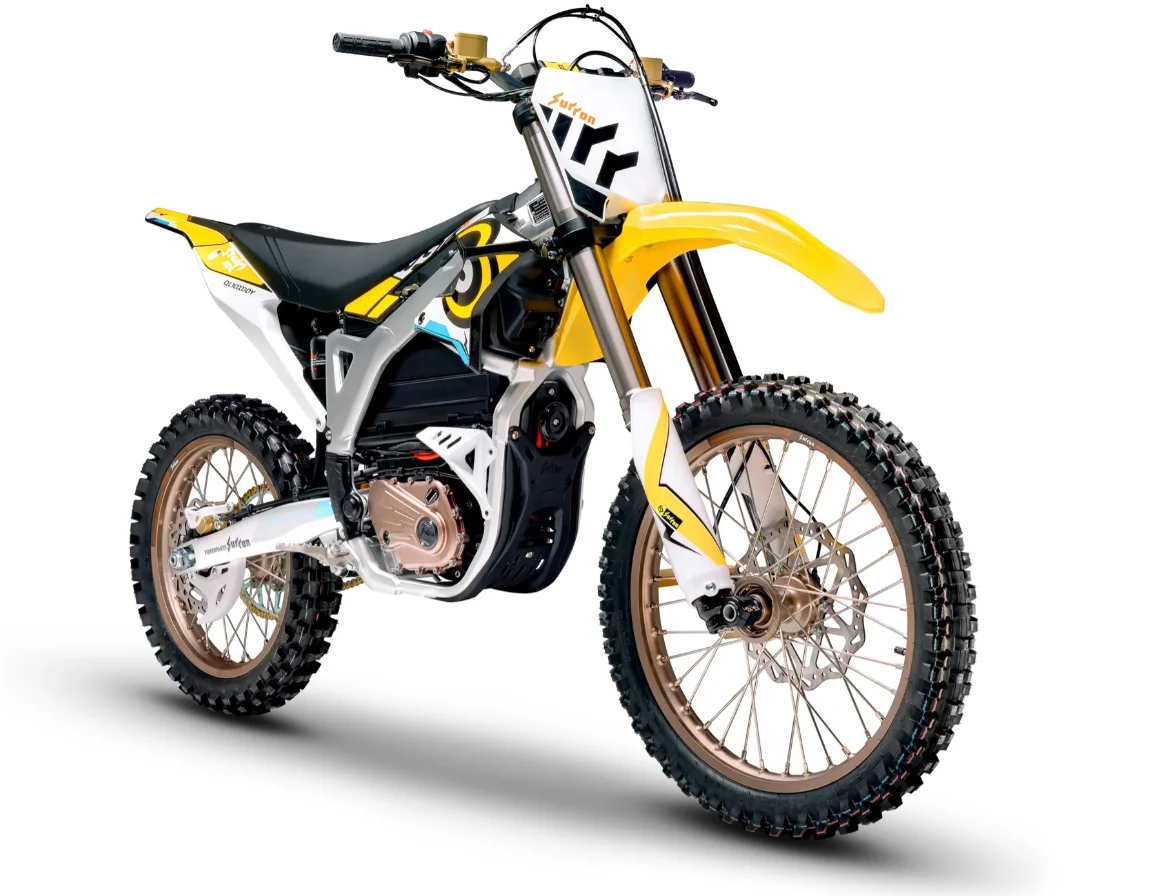
When riders talk about conquering extreme off-road terrain on a lightweight electric motorcycle, the Surron Ultra Bee consistently enters the conversation. This machine has earned a reputation not just for its electric powertrain, but for the way it handles rocky ascents, muddy trails, steep descents, and loose gravel with a confidence that challenges assumptions about lightweight off-road bikes. Understanding exactly how it performs in demanding conditions requires looking beyond spec sheets and into real-world terrain dynamics.
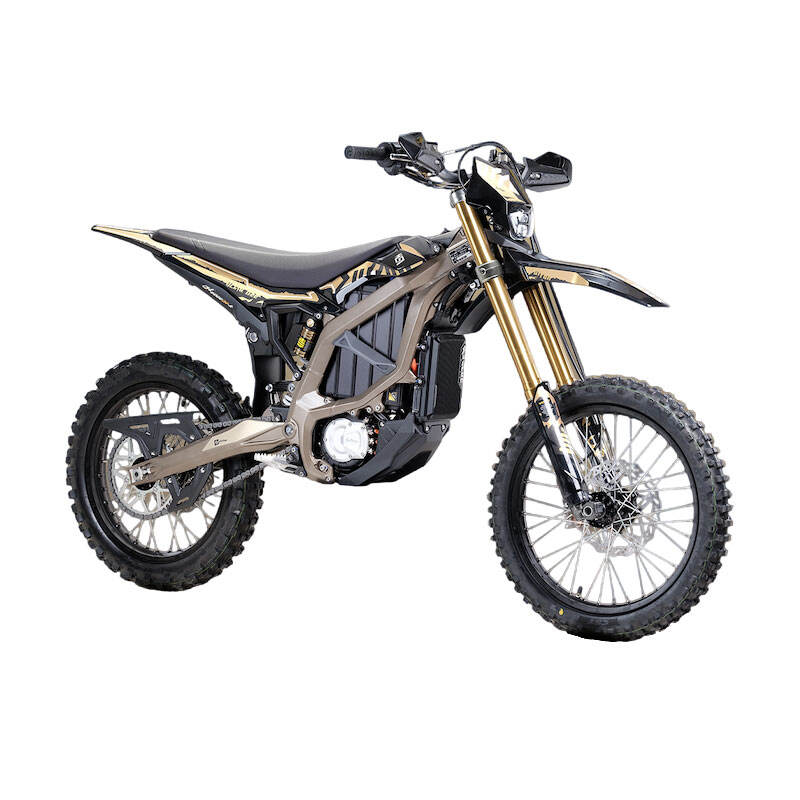
The Surron Ultra Bee is engineered around a balance of low mass and high torque delivery, two properties that seem at odds but work in remarkable harmony when navigating technical terrain. With a 21kW motor, a 72V 60Ah battery system, and a chassis built to absorb punishment, this electric motorcycle positions itself as a serious contender for riders who demand performance in environments where conventional bikes often struggle. This article explores precisely how the Surron Ultra Bee performs when the trail gets extreme.
Power Delivery and Torque Performance on Challenging Trails
Instant Torque and Its Advantage on Technical Terrain
One of the most defining characteristics of the Surron Ultra Bee in extreme off-road conditions is its ability to deliver torque instantly and without hesitation. Unlike internal combustion engines that require revving through a power band, the electric motor in the Surron Ultra Bee produces maximum torque from zero RPM. This means that when a rider encounters a sudden obstacle, a root-covered slope, or a loose-rock section that demands immediate throttle response, the bike reacts without lag.
On steep technical climbs, this instant torque delivery translates directly into traction control advantages. The rider can modulate wheel spin more precisely because the power response mirrors throttle input almost perfectly. Many riders transitioning from gasoline-powered bikes note that the Surron Ultra Bee gives them a level of control on inclines that they previously had to compensate for manually with clutch and throttle management.
The 21kW output is not merely a peak figure — it sustains meaningful performance through extended climbs and demanding sections without the thermal throttling that can affect some electric motorcycles under high load. This sustained delivery matters greatly when a trail demands consistent power output over several minutes rather than short bursts.
Motor and Drivetrain Behavior on Loose and Uneven Surfaces
On loose surfaces such as deep sand, wet clay, or shale scree, the drivetrain behavior of the Surron Ultra Bee becomes a critical performance factor. The direct-drive electric motor eliminates the mechanical complexity of a multi-speed gearbox, which reduces potential failure points in dirty environments. However, more importantly, it allows the rider to focus entirely on throttle modulation without managing gear changes at inconvenient moments.
The Surron Ultra Bee uses a chain-driven rear wheel setup that transfers motor power efficiently while remaining serviceable in field conditions. On surfaces where sudden traction loss can occur, the smooth and predictable power curve of the electric motor gives the Surron Ultra Bee a behavioral consistency that inspires rider confidence. The bike does not lurch or spike unexpectedly, which reduces the risk of losing balance when crossing uneven terrain at low speed.
Riders who have taken the Surron Ultra Bee through deep ruts and over embedded boulders report that the consistent power delivery allows them to pick lines more carefully and commit to technical sections with greater assurance than they might on bikes with less predictable power responses.
Suspension and Chassis Capability in Extreme Conditions
Front and Rear Suspension Performance Over Rough Ground
The suspension system on the Surron Ultra Bee is purpose-built to handle the kinds of impacts that extreme off-road terrain produces. The front forks and rear shock absorber are calibrated to manage both high-speed compressions over larger hits and low-speed compliance through technical rock gardens. This dual-range compliance is essential when a single trail can transition rapidly between fast flow sections and slow, technical obstacles.
On high-impact landings from drops or compressions at the base of steep descents, the Surron Ultra Bee absorbs energy in a way that keeps the wheels in contact with the ground rather than bouncing unpredictably. Maintaining wheel contact is critical for both braking performance and directional stability. Riders who push the Surron Ultra Bee over stepped terrain or through boulder fields note that the suspension tracks the ground with enough sensitivity to prevent the bike from deflecting off line.
The relatively short wheelbase combined with the suspension geometry gives the Surron Ultra Bee a nimble feel that allows quick direction changes in tight off-road environments. This is a meaningful advantage when navigating switchback trails or threading through dense forest sections where maneuverability matters more than outright speed.
Frame Rigidity and Weight Distribution on Extreme Terrain
The Surron Ultra Bee uses an aluminum alloy frame designed to maintain rigidity under torsional stress while keeping the overall weight of the motorcycle low. Frame rigidity affects how accurately the bike responds to rider inputs — a frame that flexes excessively will delay steering responses and create unpredictable handling characteristics under load. On extreme terrain, where rider corrections happen in fractions of a second, frame stiffness is a safety and performance factor, not just a structural one.
Weight distribution on the Surron Ultra Bee places the battery pack — the heaviest single component — low and centrally in the frame. This low center of gravity benefits off-road performance significantly. When a rider is navigating off-camber sections, steep sidehill traverses, or leaning through loose corner exits, a low center of gravity reduces the rotational moment that would otherwise make the bike feel tippy or unresponsive to body weight shifts.
The overall lightweight nature of the Surron Ultra Bee also means that when a rider does make a mistake and needs to pick the bike up after a fall, the recovery process is far less exhausting than it would be with a heavier motorcycle. On long technical rides, this practical advantage compounds over time and contributes to the rider's ability to maintain focus and energy through demanding terrain.
Battery and Range Considerations on Demanding Off-Road Rides
Energy Consumption Under High-Stress Terrain Conditions
Extreme off-road terrain demands far more energy per kilometer than flat or moderate trails. Steep climbs, constant acceleration out of obstacles, and sustained high-torque applications drain battery capacity at accelerated rates. Understanding how the Surron Ultra Bee manages its 72V 60Ah battery pack in these conditions is essential for planning off-road excursions.
During aggressive off-road riding that involves frequent hard acceleration, steep ascents, and technical maneuvering, the Surron Ultra Bee will consume energy faster than its nominal range figures suggest. This is not a flaw unique to this machine — it reflects the physics of demanding terrain universally. However, the 60Ah capacity provides meaningful reserve for extended technical sessions before requiring a recharge stop.
The battery management system in the Surron Ultra Bee monitors cell temperatures and discharge rates to maintain safe operating parameters even under sustained high-load conditions. This protection ensures that the battery is not damaged by aggressive riding styles, which is a critical consideration for riders who push the machine consistently near its performance limits.
Regenerative Braking and Energy Recovery on Descents
One practical advantage that the Surron Ultra Bee offers in mountainous or hilly extreme off-road environments is regenerative braking. When descending steep terrain, the electric motor can recover kinetic energy and return it to the battery pack. While the regenerative contribution is modest compared to total energy consumed during a full ride, it provides a meaningful benefit on routes that include significant elevation changes.
Beyond the energy recovery aspect, regenerative braking gives the Surron Ultra Bee a useful engine-braking effect on descents. Riders can use the throttle position to control descent speed without relying exclusively on hydraulic brakes. This distributes braking energy more evenly and reduces the risk of brake fade on long, sustained descents — a real concern in extreme terrain riding.
The combination of regenerative braking and strong hydraulic disc brakes on both wheels gives the Surron Ultra Bee a braking capability that inspires confidence when descending steep and loose terrain where precise speed control is essential for safety.
Traction, Tire Performance, and Ground Clearance Factors
Tire Compatibility and Off-Road Traction Profiles
The Surron Ultra Bee is designed to accept aggressive off-road tires that provide the grip profiles needed for extreme terrain. Tire choice plays an enormous role in how any off-road motorcycle performs, and the Surron Ultra Bee's wheel and suspension dimensions are compatible with a range of knobby tire options suited to different extreme terrain types, from hardpack to deep mud.
Because the electric powertrain eliminates the vibration and heat patterns associated with combustion engines, tires on the Surron Ultra Bee operate under slightly different stress conditions. The smooth torque delivery means that tires are less prone to sudden spin-up that can cause the tread blocks to skip over loose material rather than dig in. This characteristic makes the Surron Ultra Bee more forgiving on surfaces where tire scrub can quickly rob traction.
Riders who have tested the Surron Ultra Bee on loose volcanic rock, wet forest loam, and compressed desert hardpack all report that the interaction between the electric motor's torque character and a well-chosen tire results in traction performance that competes favorably with purpose-built gasoline off-road motorcycles in similar weight classes.
Ground Clearance and Obstacle Navigation Capability
Ground clearance on the Surron Ultra Bee is designed to clear the kinds of obstacles that define extreme off-road terrain — embedded logs, large embedded rocks, and deep water crossings with submerged debris. Adequate ground clearance prevents the frame and battery enclosure from contacting terrain features that would otherwise stop or damage the motorcycle.
The compact dimensions of the Surron Ultra Bee allow riders to lift the front wheel more easily when approaching step-up obstacles and to manual the bike over features that would require significantly more effort on a heavier machine. This maneuverability in the vertical plane — not just the lateral plane — is a genuine performance attribute in technical off-road environments.
The combination of appropriate clearance, a low center of gravity, and responsive steering geometry means that the Surron Ultra Bee can be ridden through gnarly terrain features that would require significant experience and physical effort to navigate on a heavier competing machine. This broadens the range of riders who can access extreme terrain effectively with this motorcycle.
FAQ
Is the Surron Ultra Bee suitable for extreme rock crawling and boulder sections?
Yes, the Surron Ultra Bee handles rock crawling and boulder sections effectively due to its instant torque delivery at low speeds, manageable weight, and capable suspension. The electric motor's precise throttle response allows riders to place power exactly where needed when navigating over and between large rocks, making it a strong performer in this type of extreme terrain.
How does battery range hold up during a full day of extreme off-road riding?
Battery range on the Surron Ultra Bee varies significantly based on terrain intensity. On extreme technical terrain with frequent hard acceleration and steep climbs, range will be notably shorter than on moderate trails. For full-day extreme sessions, riders typically plan for midday charging opportunities or carry supplemental battery solutions. The 72V 60Ah system provides meaningful capacity, but extreme conditions do reduce range compared to casual riding estimates.
Can the Surron Ultra Bee handle wet and muddy extreme terrain without reliability issues?
The Surron Ultra Bee is designed with off-road conditions in mind, including exposure to mud and water. The electrical components and battery enclosure provide appropriate protection for trail riding environments. Riders should avoid deep water immersion beyond the bike's specified limits, but typical wet trail and muddy forest conditions are well within the operating envelope of the Surron Ultra Bee.
How does the lightweight design of the Surron Ultra Bee affect performance on extreme descents?
The lightweight design of the Surron Ultra Bee is an asset on extreme descents because it reduces the momentum that needs to be managed during braking and directional changes. Combined with regenerative braking and strong hydraulic disc brakes, the Surron Ultra Bee gives riders confident control on steep, loose, and technical descents without the inertia challenges that heavier motorcycles present in similar situations.
Table of Contents
- Power Delivery and Torque Performance on Challenging Trails
- Suspension and Chassis Capability in Extreme Conditions
- Battery and Range Considerations on Demanding Off-Road Rides
- Traction, Tire Performance, and Ground Clearance Factors
-
FAQ
- Is the Surron Ultra Bee suitable for extreme rock crawling and boulder sections?
- How does battery range hold up during a full day of extreme off-road riding?
- Can the Surron Ultra Bee handle wet and muddy extreme terrain without reliability issues?
- How does the lightweight design of the Surron Ultra Bee affect performance on extreme descents?