 EN
EN

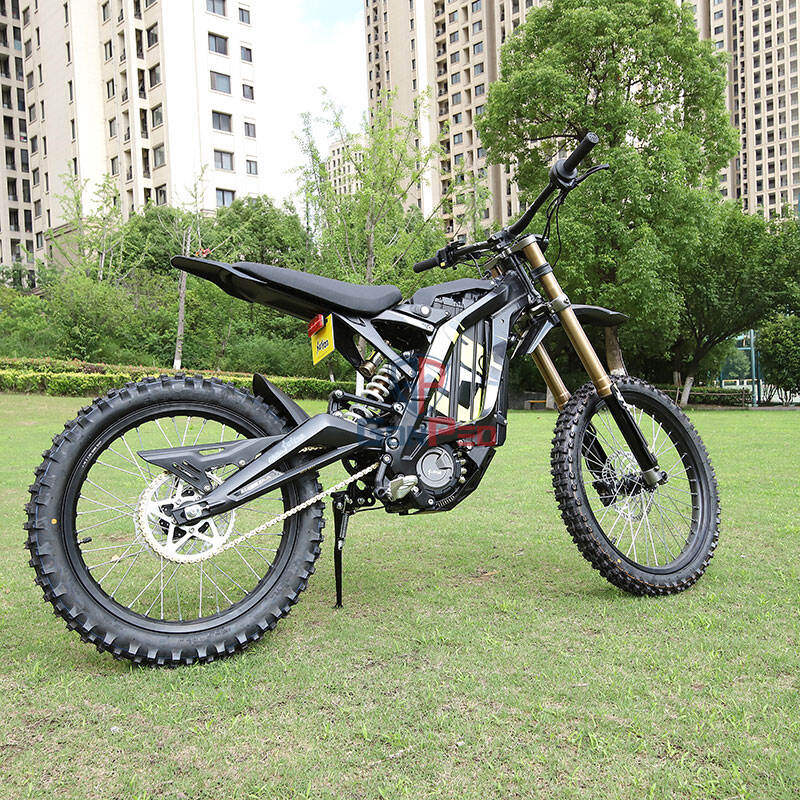
Electrical failures represent one of the most common yet preventable issues affecting electric motorcycle performance and longevity. For Surron Ultra Bee owners, understanding what routine checks prevent Surron Ultra Bee electrical failures is essential to maintaining optimal performance and avoiding costly repairs. The Ultra Bee's high-performance electric drivetrain relies on a complex network of electrical components, from the battery management system to motor controllers and wiring harnesses, all of which require systematic inspection and maintenance. Unlike mechanical failures that often announce themselves with noise or vibration, electrical issues can develop silently until they cause complete system shutdowns or safety-critical malfunctions during operation.
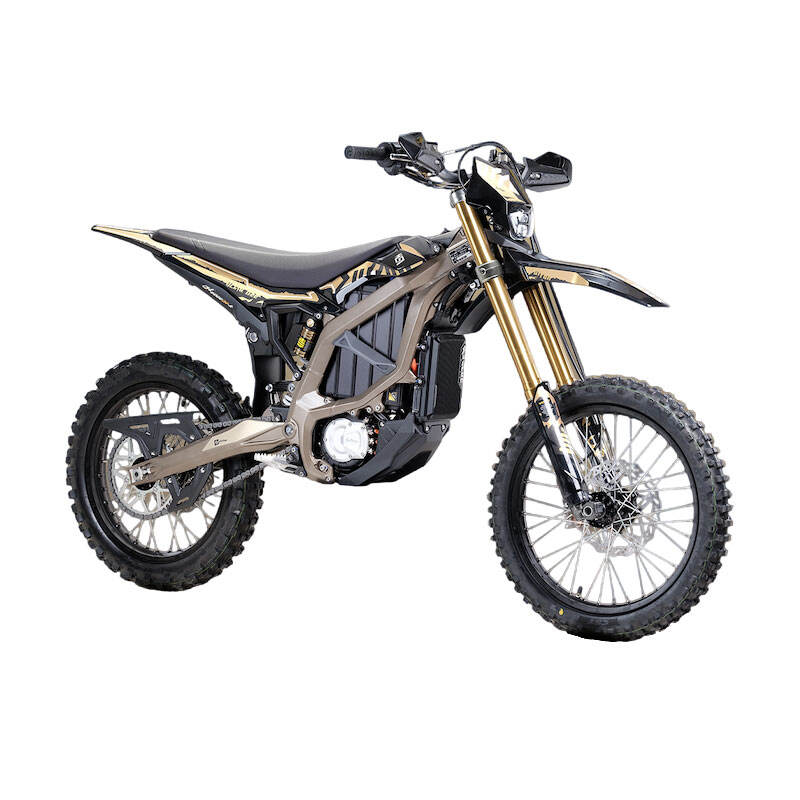
The importance of preventive electrical maintenance becomes particularly evident when considering the operational demands placed on the Surron Ultra Bee during off-road riding, urban commuting, and high-performance applications. Exposure to moisture, vibration, temperature extremes, and electrical load fluctuations can gradually compromise connections, insulation, and component integrity. Implementing a structured routine check schedule specifically targeting electrical vulnerabilities prevents the cascade failures that occur when one compromised component stresses adjacent systems. This article examines the specific routine checks that directly prevent Surron Ultra Bee electrical failures, organized by system category and inspection frequency, providing owners with actionable maintenance protocols that protect their investment and ensure reliable operation.
Battery System Inspection Protocols
Cell Balance and Voltage Monitoring
Regular voltage monitoring across individual battery cells constitutes the foundational check for preventing Surron Ultra Bee electrical failures related to the power source. The Ultra Bee's 72V battery pack consists of multiple series-connected cell groups, and voltage imbalances between these groups create conditions for premature capacity loss, thermal stress, and eventual cell failure. Using a battery management system diagnostic tool or multimeter, owners should record individual cell group voltages monthly, looking for deviations exceeding 0.1V between the highest and lowest readings. When imbalances appear, the battery management system may require recalibration or the pack may need professional balancing to restore uniform charge distribution across all cells.
The voltage check process extends beyond static measurements to include voltage behavior during discharge cycles. Observing voltage drop patterns under load reveals internal resistance issues that static testing cannot detect, as degraded cells exhibit disproportionate voltage sag when supplying current to the motor controller. Riders should note the battery voltage at consistent power output levels during regular operation, establishing baseline performance metrics that highlight gradual degradation. Sharp voltage drops during acceleration or sustained high-speed operation signal increased internal resistance, often caused by deteriorating cell connections or electrolyte degradation within individual cells. Addressing these voltage anomalies before they progress prevents the thermal runaway scenarios and sudden capacity losses that characterize catastrophic battery failures.
Connection Integrity and Corrosion Assessment
Battery terminal connections represent critical points where Surron Ultra Bee electrical failures frequently originate due to resistance buildup from corrosion or mechanical loosening. The high current flows during acceleration and regenerative braking generate significant heat at connection points, and even minimal resistance increases cause localized heating that accelerates oxidation and degrades electrical contact. Monthly inspection should include visual examination of all battery terminals for discoloration, white or green corrosion deposits, and physical integrity of terminal hardware. Torque verification using manufacturer-specified values ensures mechanical tightness without over-stressing connection hardware, as both loose and over-tightened connections create failure pathways through different mechanisms.
Thermal imaging provides an advanced diagnostic method for detecting connection problems before they manifest as performance issues. Using an inexpensive thermal camera or temperature gun during and immediately after riding reveals hot spots at battery connections that indicate elevated resistance. Temperature differentials exceeding 10 degrees Celsius between similar connection points suggest developing problems requiring immediate attention. The inspection protocol should include not only the main positive and negative terminals but also balance lead connections, BMS wiring harnesses, and any auxiliary power taps. Applying dielectric grease to cleaned connections after inspection creates a moisture barrier that significantly extends connection reliability in wet or humid operating environments where corrosion develops most rapidly.
Enclosure Seal and Moisture Intrusion Prevention
Battery enclosure integrity directly impacts the likelihood of Surron Ultra Bee electrical failures because moisture intrusion compromises both electrical insulation and accelerates corrosion throughout the battery system. The Ultra Bee's battery compartment employs rubber seals and gaskets that degrade over time from compression set, ultraviolet exposure, and thermal cycling. Quarterly inspection should verify seal condition by checking for compression marks, cracking, hardening, or gaps that allow water entry. Pressing tissue paper around seal perimeters while applying light water spray from a garden hose reveals leakage paths before they allow significant moisture accumulation inside the battery compartment.
Beyond passive seal inspection, active moisture detection using silica gel indicators or electronic moisture sensors provides early warning of seal compromise. Small adhesive humidity indicators placed inside battery compartments change color when relative humidity exceeds safe thresholds, alerting owners to seal failures before condensation forms on electrical components. For riders operating in particularly wet conditions or those who pressure-wash their motorcycles, supplemental sealing using marine-grade silicone sealant at vulnerable joints provides additional protection. However, any sealing modifications must maintain pressure equalization venting to prevent pressure differential damage during temperature changes, as completely sealed enclosures can experience internal pressure buildup that damages seals from the inside.
Motor and Controller Circuit Verification
Phase Wire Condition and Connection Security
The three-phase motor wiring that delivers power from the controller to the Ultra Bee's brushless motor experiences constant flexing and vibration that gradually fatigues conductors and loosens connections. These phase wires carry extremely high currents during full-power operation, making even slight resistance increases at connections or within damaged conductors sources of significant heat generation and potential Surron Ultra Bee electrical failures. Bi-weekly visual inspection should examine phase wire insulation for abrasion, cracking, melting, or discoloration that indicates thermal damage. The inspection must trace wires along their entire length, paying particular attention to areas where wires route near sharp edges, hot surfaces, or moving components that could cause wear-through failures.
Connection security at both the controller output terminals and motor input terminals requires verification with appropriate torque specifications, as vibration gradually loosens mechanical fasteners even when properly installed initially. Using a torque wrench calibrated to manufacturer specifications ensures consistent tightening force that maintains electrical contact without damaging connector hardware. During this inspection, examining connector housings for cracks, deformation, or water intrusion evidence prevents future problems from environmental exposure. Riders who frequently ride in dusty conditions should additionally check for conductive dust accumulation around phase connections, as fine metallic particles or carbon dust can create tracking paths that cause short circuits or arcing between phases.
Controller Heat Management and Thermal Shutdown Prevention
Motor controller thermal management directly influences reliability and preventing Surron Ultra Bee electrical failures related to component overheating requires monitoring both cooling system function and thermal load patterns. The controller's power transistors generate substantial heat during operation, particularly during sustained high-power riding or frequent acceleration cycles. Monthly inspection of cooling fins, heat sinks, and any forced-air cooling fans ensures adequate thermal dissipation capacity. Accumulated dirt, debris, or insect nests between cooling fins dramatically reduce thermal transfer efficiency, causing controllers to reach thermal shutdown thresholds or suffer accelerated component degradation from chronic overheating.
Thermal compound condition between power components and heat sinks degrades over time, losing thermal conductivity and creating hot spots within the controller assembly. While this inspection requires partial controller disassembly beyond most owner capabilities, professional annual service should include thermal interface material inspection and renewal. Owners can monitor controller health by logging performance during demanding riding sessions and noting any power reduction, stuttering, or temporary shutdowns that indicate thermal protection activation. These symptoms suggest either inadequate cooling system maintenance or riding demands exceeding controller specifications. Adjusting riding patterns to reduce sustained high-power operation or upgrading cooling capacity prevents the cumulative thermal stress that shortens controller lifespan and increases failure probability.
Hall Sensor and Position Feedback Integrity
The motor's Hall effect sensors provide rotor position feedback essential for proper controller timing and torque production. These sensors and their associated wiring are vulnerable to vibration damage and magnetic field interference that causes erratic signals leading to Surron Ultra Bee electrical failures manifesting as rough running, power loss, or complete motor shutdown. Quarterly inspection should verify Hall sensor wiring integrity by checking for abraded insulation, damaged connectors, or routing that allows wires to contact hot or moving components. The small signal voltages these sensors generate make them particularly susceptible to electromagnetic interference from nearby power wiring, requiring verification that sensor wires maintain separation from high-current phase wires throughout their routing.
Functional testing of Hall sensors requires specialized diagnostic equipment that monitors sensor output patterns during manual motor rotation. However, owners can perform basic operational verification by observing motor startup behavior and low-speed smoothness, as failing Hall sensors typically cause rough, jerky operation at low speeds while higher speeds may mask the symptoms through motor inertia. Intermittent sensor failures often correlate with specific motor positions, creating a consistent stumble or hesitation during each revolution. Addressing Hall sensor issues promptly prevents the secondary damage that occurs when controllers attempt to compensate for missing or erratic position feedback, which can overstress power transistors and create cascading failures throughout the drive system.
Wiring Harness and Connector Maintenance
Connector Contact Cleaning and Oxidation Prevention
Electrical connectors throughout the Ultra Bee's wiring harness gradually develop contact resistance from oxidation, particularly in the presence of moisture and temperature cycling. This resistance buildup causes voltage drops that affect sensitive electronic components and generates heat that accelerates further degradation. Quarterly maintenance should include disconnecting and reconnecting major connectors while inspecting pins and sockets for corrosion, bent contacts, or debris accumulation. Using electrical contact cleaner specifically formulated for automotive applications removes oxidation and contaminants without leaving residue that could attract dirt or interfere with electrical conductivity.
After cleaning, applying dielectric grease to connector interfaces provides long-term protection against moisture intrusion and oxidation while maintaining electrical conductivity. The grease displaces moisture from contact surfaces and creates a seal that prevents future water entry, particularly important for connectors exposed to weather or those located in splash zones. Special attention should focus on multi-pin connectors serving the display, throttle assembly, and brake sensors, as these components carry both power and sensitive signal circuits vulnerable to crosstalk and interference when connector integrity degrades. Preventing Surron Ultra Bee electrical failures at the connector level requires understanding that these seemingly simple interfaces represent potential single points of failure capable of disabling entire subsystems.
Abrasion and Mechanical Damage Prevention
Wiring harness routing that allows contact with moving components, sharp edges, or heat sources inevitably leads to insulation damage and eventual short circuits. Monthly visual inspection should trace all visible wiring, identifying any areas where harnesses have shifted from original positions or where zip ties and mounting clips have failed. The inspection checklist should specifically examine wiring near the steering head where turning motion can cause abrasion, around the swingarm pivot where suspension movement creates relative motion, and along the frame where vibration can cause wires to work against sharp metal edges. Any wiring showing exposed conductors requires immediate repair with proper electrical tape or heat-shrink tubing, as even minor insulation breaches allow moisture intrusion and create arcing potential.
Proper harness support prevents the fatigue failures that occur when wiring flexes repeatedly under vibration or suspension movement. Adding supplemental support using appropriate wire management products secures harnesses against abrasion-causing movement while maintaining sufficient flexibility to accommodate normal operational motion. The support strategy must avoid creating stress concentration points where harnesses transition from fixed to flexible sections, as these transition zones experience the highest fatigue stresses. For modified motorcycles with aftermarket accessories, ensuring that additional wiring receives proper routing and support prevents the common scenario where accessory installation introduces new wiring vulnerabilities that later cause Surron Ultra Bee electrical failures affecting both the accessory and potentially other electrical systems through shared circuits or ground paths.
Ground Path Verification and Resistance Testing
Electrical ground paths complete circuits and provide voltage reference for electronic systems, making ground connection integrity fundamental to preventing Surron Ultra Bee electrical failures. Ground connections accumulate resistance through the same corrosion and loosening mechanisms affecting power connections, but ground problems create particularly confusing symptoms because voltage differentials develop between components that should share common reference potential. Semi-annual ground inspection should identify all chassis ground points, battery negative connections, and component ground terminals. Each connection requires removal, surface cleaning with wire brush or abrasive pad to expose bare metal, and reinstallation with proper torque specifications.
Using a digital multimeter to measure resistance between the battery negative terminal and various chassis ground points reveals elevated ground path resistance indicating developing problems. Resistance readings exceeding 0.1 ohms between any two points that should be electrically common suggest significant corrosion or loose connections requiring correction. This testing should include the motor case ground, controller chassis ground, and frame connection points, as differential ground potential between these high-current components can cause erratic behavior, electromagnetic interference, and component damage. For motorcycles that have experienced water immersion or those operated in coastal environments with salt exposure, ground verification becomes even more critical as accelerated corrosion compromises connections that appeared adequate during previous inspections.
Sensor and Control System Diagnostics
Throttle Position Sensor Calibration Verification
The throttle position sensor translates rider input into electrical signals that control motor power output, making its accuracy and reliability essential for safe operation and preventing control-related Surron Ultra Bee electrical failures. Throttle sensors gradually drift from calibration due to mechanical wear, contamination, or electrical component aging within the sensor assembly. Monthly operational testing should verify smooth, proportional power response throughout the throttle travel range without dead spots, sudden jumps, or inconsistent behavior. Using the motorcycle's diagnostic mode if available, or external diagnostic tools, checking actual throttle position sensor voltage across the full range confirms proper signal generation and identifies developing problems before they affect rideability.
Throttle sensor wiring particularly requires inspection because it carries low-level signals susceptible to electromagnetic interference from nearby power wiring. The inspection should verify that throttle wiring maintains separation from motor phase wires and battery cables, and that shielded cable construction remains intact without breaks in the shield conductor. Environmental contamination from water, dirt, or corrosive substances entering the throttle assembly gradually affects sensor operation, making periodic disassembly and cleaning valuable preventive maintenance. During cleaning, inspecting the sensor's mechanical components for wear, particularly the wiper contacts in potentiometer-type sensors, identifies components approaching end-of-service-life before they fail during operation.
Brake Sensor Switch Function and Safety Circuit Testing
Brake sensor switches serve dual safety functions by cutting motor power when brakes engage and activating brake lights to warn following traffic. Failure of these switches creates both safety hazards and potential Surron Ultra Bee electrical failures when controllers receive contradictory signals or when safety interlocks prevent normal operation. Weekly operational testing should verify that applying each brake independently cuts motor power and illuminates the corresponding brake light. Any inconsistency in this response indicates switch problems, wiring faults, or controller programming issues requiring immediate diagnosis. The mechanical switches themselves experience wear from repeated activation and exposure to brake lever pivot contamination, making annual replacement reasonable preventive maintenance for high-mileage motorcycles.
Brake switch wiring inspection focuses on the flexible sections that move with brake levers and the connection points where vibration can loosen terminals. These circuits typically operate at low voltages with minimal current, making them vulnerable to resistance increases that might not affect higher-power circuits. Measuring voltage drop across brake switches while activated reveals resistance buildup indicating developing problems. Additionally, verifying that brake switches properly connect to both the motor controller cutoff circuit and the brake light circuit prevents the scenario where motor cutoff functions but brake lights fail, or vice versa, creating incomplete safety system operation.
Display and Communication Interface Monitoring
The instrument display communicates with the motor controller and battery management system via digital communication buses that transmit operational data and configuration parameters. Communication errors on these buses can cause display malfunctions, loss of system configuration, or trigger fault modes that prevent normal operation, representing another category of Surron Ultra Bee electrical failures. Regular display function verification includes checking that all displayed parameters update properly during operation, that warning indicators function when relevant conditions occur, and that configuration settings persist across power cycles. Display communication problems often manifest as frozen readings, intermittent blanking, or error messages indicating communication timeouts.
The communication wiring between display and controllers requires inspection for the same mechanical and environmental damage affecting other harness sections, but with additional attention to cable shielding and termination resistors if employed in the bus architecture. Loose connectors in communication circuits create intermittent symptoms particularly frustrating to diagnose because problems may appear and disappear with vibration or temperature changes. Ensuring connector latches fully engage and applying appropriate contact treatment prevents these intermittent communication failures. For motorcycles exhibiting communication-related symptoms, checking controller firmware versions and ensuring all components run compatible software versions resolves some problems traced to protocol incompatibilities rather than hardware failures.
Environmental Protection and Contamination Control
Water Ingress Points and Drainage Path Maintenance
Water represents the most common environmental threat causing Surron Ultra Bee electrical failures, making moisture management a crucial aspect of preventive maintenance. While major components employ sealed enclosures, water can enter through compromised seals, cable entry points, and connector interfaces. Regular inspection after riding in wet conditions should identify any water accumulation in electrical enclosures by looking for water stains, mineral deposits, or actual water presence when opening inspection covers. Drainage holes designed into enclosures require verification that they remain unobstructed by debris, as blocked drainage causes water accumulation that would otherwise evacuate harmlessly.
Understanding water ingress patterns helps focus inspection efforts on vulnerable areas. Water typically enters from above through gaps or damaged seals, then migrates to low points where it collects around electrical connections. The battery compartment, controller enclosure, and any junction boxes represent critical inspection points. After significant water exposure, proactive drying using compressed air to blow water from connectors and enclosures prevents the corrosion that develops when components remain wet for extended periods. For riders frequently operating in wet conditions, applying additional conformal coating to circuit boards and using dielectric grease on all connectors provides enhanced protection beyond factory specifications.
Dust and Debris Management Protocols
Fine dust penetrating electrical enclosures creates multiple failure mechanisms including conductive paths between circuits, abrasive wear on moving contacts, and thermal insulation that causes overheating. Off-road riding generates particularly fine dust that penetrates seals more effectively than larger dirt particles. Post-ride cleaning should remove accumulated dust from external surfaces before it migrates into enclosures, and periodic enclosure inspection should check for internal dust accumulation requiring cleaning. Using compressed air to blow dust from enclosures and components provides effective cleaning when performed carefully to avoid forcing dust deeper into component internals.
Certain dust types pose particular risks—conductive carbon dust from brake pads or metallic particles from mechanical wear can create short circuits between adjacent conductors. Inspection should identify any conductive dust accumulation around electrical connections and remove it using methods appropriate for the contamination type. For persistent dust intrusion problems, upgrading enclosure seals or adding supplemental sealing at entry points reduces contamination rates. However, seal upgrades must maintain ventilation requirements because many electronic components generate moisture during temperature cycling that must evacuate to prevent internal condensation. Balancing contamination exclusion against moisture ventilation represents a key consideration in preventing Surron Ultra Bee electrical failures related to environmental exposure.
Temperature Cycling and Thermal Stress Management
Repeated heating and cooling cycles stress electrical components and connections through differential thermal expansion between dissimilar materials. Solder joints, crimped terminals, and mechanical fasteners all experience fatigue from thermal cycling that can lead to intermittent connections or complete failures. While individual temperature cycles cause minimal damage, accumulated thermal stress over months and years gradually degrades connection integrity. Operational patterns involving intensive riding sessions followed by rapid cooling place particularly high thermal stress on electrical systems. Allowing gradual cool-down by operating at moderate power levels before shutdown reduces thermal shock to sensitive components.
Storage conditions significantly affect thermal cycling stress when motorcycles experience ambient temperature variations. Parking in direct sunlight creates elevated temperatures followed by nighttime cooling, imposing daily thermal cycles even when the motorcycle isn't operated. Where possible, storing motorcycles in temperature-stable environments or using covers to reduce solar heating minimizes non-operational thermal stress. For electrical connections showing signs of thermal damage like discolored insulation or melted connector housings, identifying the heat source becomes essential before replacing damaged components. Heat damage indicates either excessive current flow, high resistance connections, or inadequate cooling, all of which will cause repeated failures unless the root cause receives correction.
FAQ
How often should I perform electrical system checks on my Surron Ultra Bee?
Electrical system inspection frequency depends on riding conditions and usage intensity, but a minimum baseline schedule includes weekly visual checks of obvious damage or loose connections, monthly detailed inspections of battery connections and major wiring harnesses, and quarterly comprehensive examinations including connector cleaning and thermal imaging when available. Riders operating in harsh environments with extensive water exposure, dust, or sustained high-power demands should increase inspection frequency to weekly for detailed checks. Professional electrical system evaluation annually or every 5,000 kilometers provides expert assessment of components and conditions beyond typical owner inspection capabilities, particularly for controller internals and sealed component condition.
What tools do I need to perform routine electrical maintenance?
Basic electrical maintenance requires a quality digital multimeter for voltage and resistance measurements, a set of insulated hand tools including screwdrivers and wrenches sized for your motorcycle's fasteners, electrical contact cleaner, dielectric grease, electrical tape, and heat-shrink tubing. A torque wrench calibrated for small fasteners ensures proper connection tightness without over-stressing components. Advanced diagnostics benefit from a thermal imaging camera or infrared thermometer for detecting hot spots, though these represent optional rather than essential tools. For riders performing extensive electrical work, a battery management system diagnostic interface allows detailed battery monitoring, while an oscilloscope enables advanced controller and sensor diagnostics, though these specialized tools exceed most owner requirements.
Can I prevent all electrical failures through routine maintenance?
Routine maintenance significantly reduces electrical failure probability but cannot eliminate all failure modes because some component failures result from manufacturing defects, random electronic component breakdown, or accumulated wear beyond economically preventive maintenance intervals. However, systematic inspection and maintenance prevents the majority of Surron Ultra Bee electrical failures by addressing the common causes including connection corrosion, water intrusion, vibration-induced damage, and thermal stress. The maintenance value proposition centers on preventing the expensive, inconvenient failures that develop from neglected obvious warning signs rather than guaranteeing indefinite electrical system operation. Components like batteries and controllers have finite service lives regardless of maintenance quality, but proper care maximizes that lifespan and prevents premature failures from environmental or operational factors.
What are the warning signs that electrical maintenance intervals should be shortened?
Several operational indicators suggest increased electrical system stress requiring more frequent inspection, including frequent riding in heavy rain or water crossings, regular off-road operation in dusty conditions, sustained high-power riding that keeps components near thermal limits, any previous electrical failures indicating system vulnerability, and storage in uncontrolled environments with wide temperature swings or high humidity. Additionally, motorcycles with aftermarket electrical accessories, modified wiring, or those that have experienced crashes or tip-overs warrant increased inspection frequency because these factors increase electrical failure probability. Performance changes like reduced power output, intermittent operation, or unusual sounds during operation all indicate developing problems requiring immediate comprehensive electrical inspection regardless of scheduled maintenance intervals.