 EN
EN

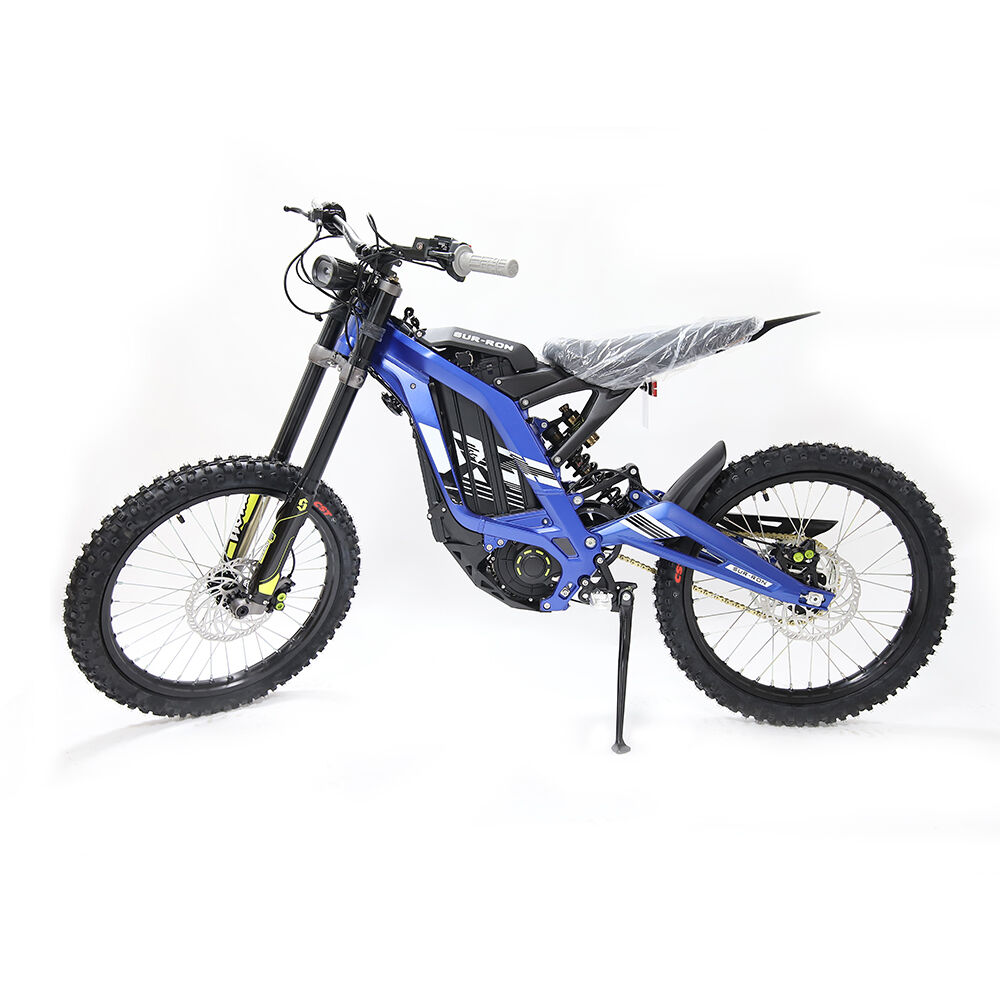
The Surron Light Bee has gained tremendous popularity among electric dirt bike enthusiasts, but one critical consideration often overlooked is how rider weight affects suspension performance. Heavier riders frequently experience compromised handling, reduced comfort, and accelerated component wear when using the stock suspension system. Understanding why a Surron Light Bee suspension upgrade becomes essential for riders over 175 pounds reveals the fundamental physics and engineering limitations that impact both safety and riding enjoyment.
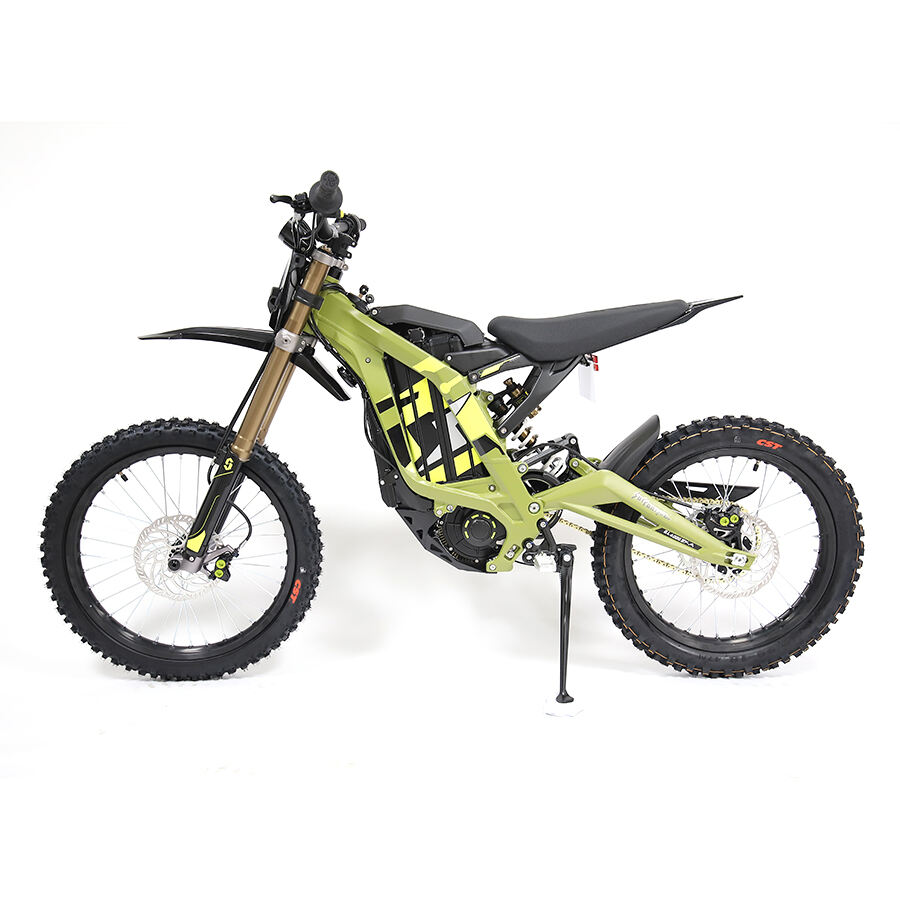
The stock Surron Light Bee suspension system was engineered with specific weight parameters in mind, typically optimized for riders weighing between 130-175 pounds. When heavier riders exceed these design parameters, the suspension operates outside its intended range, leading to bottoming out, harsh impacts, and poor trail feedback. This weight-related performance degradation not only affects ride quality but also poses safety risks during aggressive riding or challenging terrain navigation.
Weight Distribution Impact on Stock Suspension Performance
Spring Rate Limitations and Compression Dynamics
The factory spring rates on the Surron Light Bee suspension system are calibrated for lighter riders, creating significant compression issues when supporting additional weight. Heavier riders often find themselves using 80-90% of available suspension travel during normal riding conditions, leaving minimal compression reserve for absorbing larger impacts or jumps. This excessive compression fundamentally alters the bike's geometry, affecting steering precision and overall stability.
When the Surron Light Bee suspension upgrade addresses spring rate deficiencies, heavier riders experience dramatically improved sag settings and proper compression characteristics. Upgraded springs with higher spring rates ensure that the suspension operates within its optimal range, maintaining 25-30% sag under rider weight while preserving adequate compression travel for impact absorption.
The physics behind suspension compression becomes particularly critical during dynamic riding scenarios. Stock suspension components struggle to maintain consistent compression and rebound characteristics under increased load, leading to unpredictable handling responses that can compromise rider confidence and control during technical trail sections or aggressive riding maneuvers.
Rebound Damping and Control Issues
Heavier riders place increased demands on rebound damping systems, often overwhelming the stock valving's ability to control suspension extension after compression events. This inadequate rebound control manifests as suspension pogo-ing, where the bike bounces uncontrollably after hitting bumps or landing from jumps. The stock Surron Light Bee suspension upgrade becomes essential when riders experience this loss of traction and stability.
Factory rebound damping settings assume lighter rider weights and corresponding lower compression forces. When heavier riders compress the suspension more aggressively, the stored energy in compressed springs exceeds the damping system's control capacity, resulting in harsh rebounds that can launch riders off the seat or cause loss of rear wheel traction during critical cornering phases.
Professional suspension tuning for heavier riders typically involves revalving shock absorbers and fork internals to increase rebound damping force. This modification ensures that suspension extension matches compression rates appropriately, maintaining consistent ground contact and predictable handling characteristics regardless of rider weight or terrain demands.
Safety Implications of Inadequate Suspension Performance
Bottoming Out Risks and Frame Stress
Heavier riders frequently experience suspension bottoming out, where the suspension compresses completely and transfers impact forces directly to the frame and rider. This harsh bottoming creates several safety concerns, including sudden deceleration forces that can throw riders forward over the handlebars or cause loss of control during landing phases. The Surron Light Bee suspension upgrade addresses these risks by providing appropriate spring rates and compression characteristics.
Repeated bottoming out also places excessive stress on frame components, potentially leading to fatigue cracks or structural failures over time. The aluminum frame of the Surron Light Bee, while robust, was not designed to repeatedly absorb the full impact forces that occur when suspension travel is exhausted. Proper suspension tuning distributes these forces appropriately, protecting both rider and machine from damage.
Frame geometry changes resulting from inadequate suspension performance can also affect braking distances and cornering stability. When the bike sits too low in its suspension travel due to insufficient spring rates, the center of gravity shifts unfavorably, potentially causing front wheel instability during hard braking or rear wheel slide during aggressive cornering maneuvers.
Traction and Stability Considerations
Proper suspension performance directly correlates with tire contact patch consistency and traction maintenance across varying terrain conditions. Heavier riders using stock suspension often experience reduced traction due to poor suspension compliance, where the wheels cannot follow terrain contours effectively. This traction loss becomes particularly dangerous on loose surfaces, steep climbs, or during emergency maneuvers.
The Surron Light Bee suspension upgrade restores proper wheel-to-ground contact by maintaining appropriate suspension sag and travel characteristics. When suspension components operate within their designed parameters, the wheels can absorb small bumps and irregularities without transmitting harsh impacts to the chassis, maintaining consistent traction and rider control.
Stability issues arising from inadequate suspension performance can manifest as speed wobbles, steering oscillations, or unexpected handling changes during trail riding. These stability problems often occur when suspension components operate outside their intended range, creating unpredictable feedback that can surprise even experienced riders and lead to crashes or loss of control incidents.
Performance Optimization Through Proper Suspension Tuning
Spring Rate Calculations and Selection
Determining appropriate spring rates for heavier riders requires careful consideration of total system weight, riding style, and terrain demands. Professional suspension tuners typically calculate spring rates based on achieving 25-30% sag with the rider in normal riding position, ensuring adequate compression and extension travel for various riding scenarios. The Surron Light Bee suspension upgrade process begins with accurate sag measurements and spring rate selection.
Spring rate calculations must account for not only rider weight but also gear weight, riding position dynamics, and intended use patterns. Heavier riders who primarily ride aggressive trail terrain require different spring rates compared to those focusing on casual trail exploration or commuting applications. Professional tuning services can provide specific recommendations based on individual requirements and riding preferences.
Linear versus progressive spring rate characteristics also influence suspension performance for heavier riders. Progressive springs offer increased resistance as compression increases, providing a more comfortable ride during light compression while maintaining bottoming resistance during hard impacts. Linear springs provide consistent compression characteristics throughout the travel range, offering predictable performance for aggressive riding styles.
Damping Adjustments and Valving Modifications
Proper damping adjustments complement spring rate upgrades by controlling suspension movement velocities and providing appropriate resistance during compression and rebound phases. Heavier riders typically require increased compression damping to prevent harsh bottoming and enhanced rebound damping to control suspension extension after impact events. These adjustments ensure that the Surron Light Bee suspension upgrade delivers optimal performance characteristics.
Compression damping modifications often involve adjusting low-speed and high-speed compression circuits independently. Low-speed compression controls suspension movement during normal riding conditions, while high-speed compression manages harsh impacts from jumps or large obstacles. Heavier riders benefit from increased compression damping in both circuits to maintain control and prevent excessive suspension movement.
Rebound damping adjustments prevent the suspension from extending too quickly after compression events, maintaining tire contact with the ground and ensuring predictable handling characteristics. Professional valving modifications may be necessary for heavier riders to achieve optimal rebound control, particularly when significant spring rate increases are implemented during the suspension upgrade process.
Long-Term Durability and Maintenance Benefits
Component Longevity and Wear Patterns
Heavier riders using stock suspension systems often experience accelerated wear on bushings, seals, and internal components due to operating conditions exceeding design parameters. The constant over-compression and inadequate damping control creates excessive stress on suspension internals, leading to premature failure and increased maintenance requirements. A properly executed Surron Light Bee suspension upgrade significantly extends component life by ensuring operation within intended ranges.
Seal and bushing wear accelerates when suspension components operate under excessive loads or experience frequent bottoming out events. The harsh impacts and over-compression cycles typical of inadequate suspension performance cause rapid degradation of sealing surfaces and bearing components. Upgraded suspension systems with appropriate spring rates and damping characteristics reduce these stress factors, extending service intervals and reducing maintenance costs.
Frame and mounting point durability also benefits from proper suspension performance. When suspension components absorb impacts appropriately, frame stress concentrations are minimized, reducing the risk of fatigue cracks or mounting point failures. This protection becomes particularly important for heavier riders who generate higher impact forces during aggressive riding or jumping activities.
Cost-Effectiveness of Proactive Upgrades
Investing in a comprehensive Surron Light Bee suspension upgrade proves more cost-effective than repeatedly replacing worn stock components or addressing frame damage resulting from inadequate suspension performance. Professional suspension modifications typically cost less than multiple stock component replacements while delivering significantly improved performance and durability characteristics for heavier riders.
The improved reliability and reduced maintenance requirements of properly tuned suspension systems offset initial upgrade costs through extended service intervals and reduced component replacement frequency. Heavier riders who invest in appropriate suspension modifications often report dramatically reduced maintenance needs and improved long-term ownership satisfaction compared to maintaining stock suspension systems.
Performance improvements resulting from suspension upgrades also enhance the overall value and enjoyment of the Surron Light Bee, making the investment worthwhile from both practical and recreational perspectives. Heavier riders who experience proper suspension performance often report increased confidence, improved riding skills, and greater enthusiasm for challenging terrain exploration.
FAQ
What weight threshold requires a Surron Light Bee suspension upgrade?
Riders weighing over 175 pounds typically benefit from suspension upgrades, with essential modifications becoming necessary for riders over 200 pounds. The stock suspension system performs optimally for riders between 130-175 pounds, and exceeding this range compromises performance, safety, and component longevity significantly.
Can I upgrade just the rear shock or do I need both front and rear modifications?
While rear shock upgrades provide the most noticeable improvement for heavier riders, comprehensive front and rear suspension modifications deliver optimal performance and handling balance. Upgrading only the rear shock can create handling imbalances, though it addresses the most critical bottoming out issues that heavier riders experience.
How much does a complete Surron Light Bee suspension upgrade cost?
Complete suspension upgrades for heavier riders typically range from $800-2000 depending on component selection and professional tuning requirements. Basic spring rate upgrades start around $300-500, while comprehensive shock and fork modifications with professional valving can reach $1500-2000 for optimal performance.
Will suspension upgrades affect the bike's warranty coverage?
Suspension modifications may void certain warranty provisions, though specific policies vary by dealer and manufacturer. Most reputable upgrade installations preserve warranty coverage for unrelated components, but riders should verify warranty implications before proceeding with modifications and maintain documentation of professional installation work.