 EN
EN

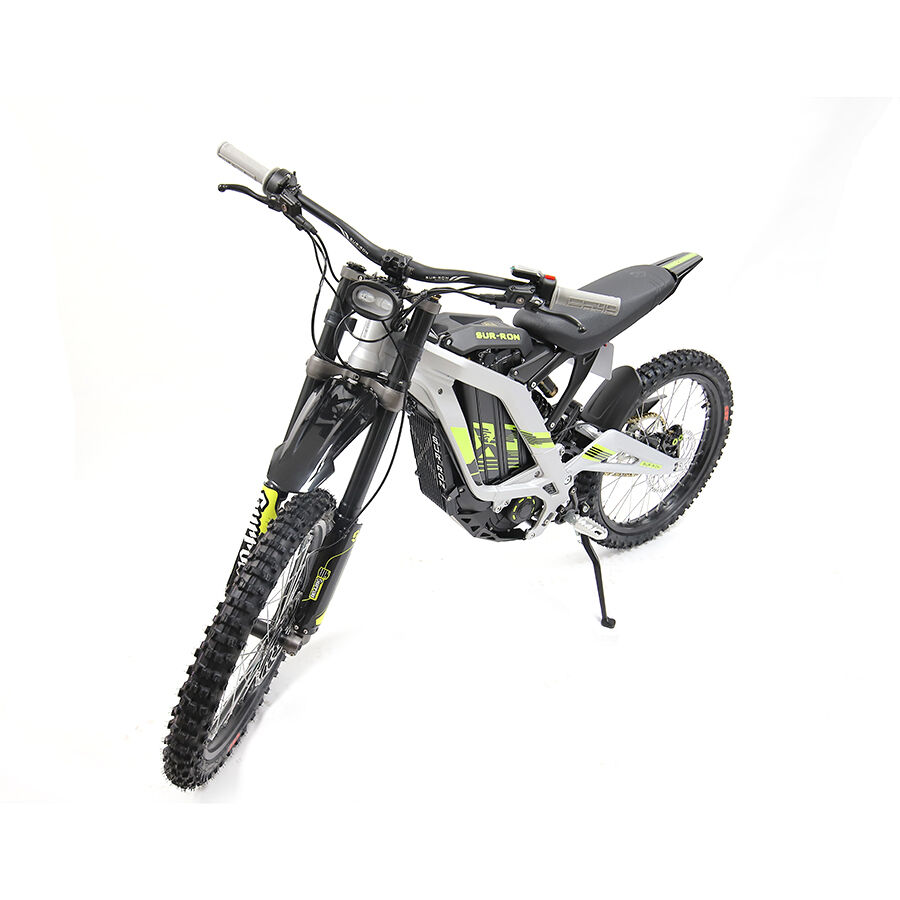
The Surron Light Bee has revolutionized electric dirt biking with its impressive performance capabilities, but like any high-performance machine, it requires consistent maintenance to preserve its factory-fresh condition. Understanding the specific maintenance requirements of this electric motorcycle is crucial for riders who want to maximize both performance and longevity while avoiding costly repairs down the road.
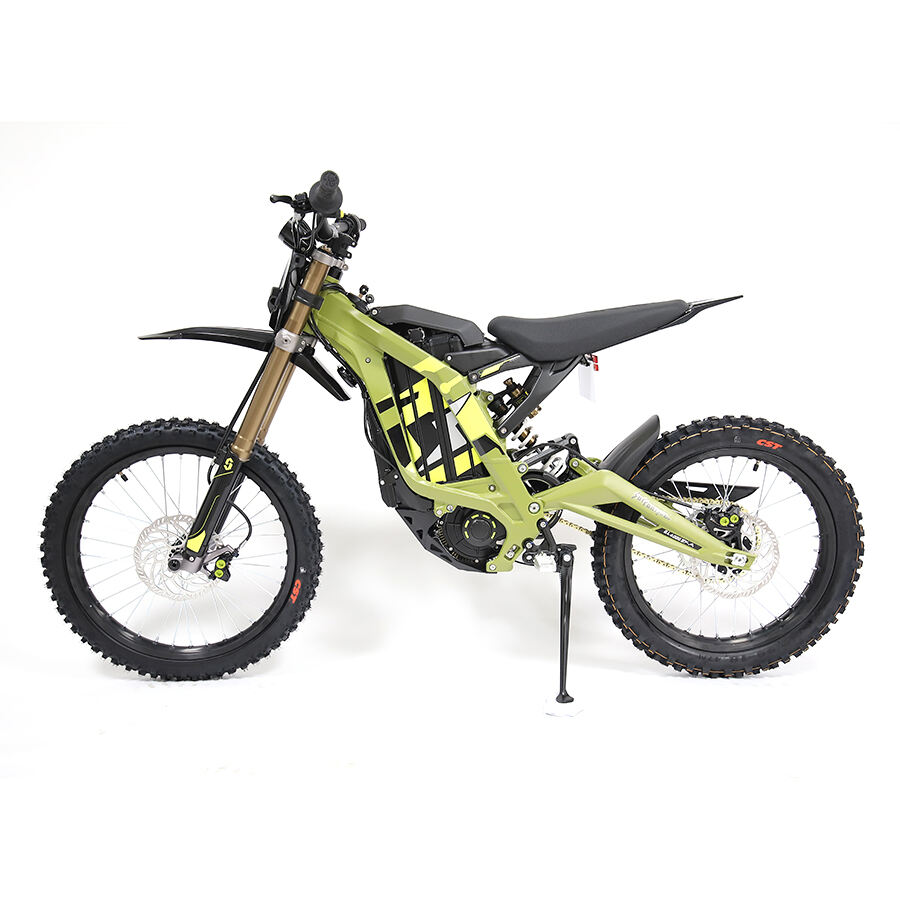
Proper Surron Light Bee maintenance involves a systematic approach that addresses both electrical components and mechanical systems unique to this electric dirt bike. The maintenance schedule differs significantly from traditional gas-powered motorcycles, requiring specialized knowledge of battery care, motor maintenance, and electronic system diagnostics to ensure optimal performance throughout the bike's lifespan.
Battery System Maintenance and Care
Battery Inspection and Monitoring
Regular battery inspection forms the cornerstone of effective Surron Light Bee maintenance, as the battery pack represents the heart of the entire electrical system. Check the battery housing weekly for any signs of physical damage, moisture intrusion, or loose connections that could compromise performance or safety. The battery management system requires monthly voltage readings to ensure all cells remain balanced and within acceptable parameters.
Temperature monitoring during charging and operation helps prevent thermal damage that can permanently reduce battery capacity. Install a digital thermometer to track battery temperature during extended rides, especially in extreme weather conditions. The optimal operating temperature range for the Surron Light Bee battery system falls between 32°F and 104°F, with charging recommended only within 50°F to 86°F.
Charging Protocol Optimization
Implementing a proper charging routine significantly extends battery life and maintains peak performance levels throughout your ownership experience. Charge the battery after every ride session, but avoid leaving it plugged in for extended periods beyond the completion of the charging cycle. The standard charging time requires approximately four to six hours depending on the discharge level and ambient temperature conditions.
Monthly deep discharge cycles help recalibrate the battery management system and ensure accurate range predictions during future rides. Discharge the battery to approximately 20% capacity once per month, then perform a complete charging cycle without interruption. This process helps maintain proper cell balance and prevents capacity drift that occurs naturally over time with lithium-ion battery technology.
Storage Preparation and Long-term Care
Seasonal storage requires specific preparation steps to prevent battery degradation during periods of non-use. Store the Surron Light Bee with the battery charged to approximately 60% capacity in a temperature-controlled environment between 50°F and 70°F. Check the charge level monthly during storage and top off as needed to prevent deep discharge damage.
Remove the battery entirely for storage periods exceeding three months to prevent parasitic drain from the bike's electrical systems. Clean the battery terminals with contact cleaner and apply a thin layer of dielectric grease to prevent corrosion during storage. Document the storage date and charge level to track maintenance intervals accurately.
Drivetrain and Motor Maintenance
Chain and Sprocket Inspection
The drive chain requires regular attention to maintain smooth power delivery and prevent premature wear of drivetrain components. Inspect chain tension weekly using the two-finger rule, adjusting tension to allow approximately one inch of vertical movement at the midpoint between sprockets. Clean the chain thoroughly after every muddy or dusty ride using a dedicated chain cleaning solution.
Proper chain lubrication extends component life and reduces power loss through the drivetrain system. Apply chain lubricant specifically designed for electric motorcycles, as traditional motorcycle chain lubes may attract excessive dirt in off-road conditions. Lubricate the chain after cleaning and allow the lubricant to penetrate for at least 15 minutes before the next ride.
Sprocket wear inspection involves checking tooth profile and measuring chain stretch using a chain checker tool. Replace both chain and sprockets as a matched set when wear measurements exceed manufacturer specifications. Mismatched wear patterns between chain and sprockets can cause accelerated wear and reduced drivetrain efficiency.
Motor Cooling System Maintenance
The electric motor cooling system requires periodic inspection to ensure adequate heat dissipation during high-performance riding sessions. Check cooling fins for debris accumulation and clean using compressed air after every ride in dusty conditions. Blocked cooling passages can lead to thermal protection activation and reduced motor performance.
Monitor motor temperature during extended climbs or aggressive riding to identify potential cooling issues before they cause permanent damage. The motor temperature sensor provides real-time feedback through the display system, allowing riders to modify their riding style when temperatures approach warning levels.
Bearing and Bushing Inspection
Wheel bearings and swing arm bushings require regular inspection for smooth operation and safe handling characteristics. Lift the rear wheel and check for lateral movement or rough rotation that indicates bearing wear. Front wheel bearings should rotate smoothly without binding or clicking noises during steering input.
Swing arm pivot points need periodic lubrication with marine-grade grease to prevent corrosion and ensure smooth suspension operation. Remove pivot bolts annually for thorough cleaning and re-lubrication of all bearing surfaces and bushings throughout the rear suspension linkage.
Suspension and Chassis Care
Shock Absorber Maintenance
Regular shock absorber maintenance ensures consistent handling and prevents expensive rebuild requirements. Inspect shock seals weekly for oil leakage and clean shock bodies after every ride to remove dirt and debris that can damage sealing surfaces. Oil leakage indicates seal wear that requires immediate attention to prevent internal damage.
Shock adjustment settings should be documented and adjusted based on rider weight and terrain conditions. The rear shock preload affects sag measurements and overall handling balance, while compression and rebound damping control suspension response during acceleration and braking events.
Professional shock servicing should occur annually or every 50 hours of riding time to replace seals and refresh damping oil. This preventive maintenance prevents internal wear and maintains consistent damping characteristics throughout the suspension travel range.
Fork Maintenance and Inspection
Front fork maintenance requires attention to seal condition and oil level to ensure proper damping and spring function. Check fork seals for oil leakage and clean fork tubes thoroughly after each ride to prevent contamination of sealing surfaces. Damaged fork seals allow dirt intrusion that can cause internal scoring and expensive repair requirements.
Fork oil should be replaced annually to maintain consistent damping characteristics and prevent internal corrosion of damping components. The oil change procedure requires specific tools and measurement techniques to ensure proper oil level and air gap settings according to manufacturer specifications.
Frame and Weld Inspection
Regular frame inspection identifies stress cracks before they develop into structural failures that compromise rider safety. Inspect all weld joints monthly for hairline cracks, especially around high-stress areas such as the steering head and swing arm pivot points. Use a magnifying glass to identify early crack formation that may not be visible during casual inspection.
Check frame alignment annually using string line measurements to ensure the bike tracks straight and handles predictably. Frame damage from crashes or hard impacts can cause subtle alignment issues that affect tire wear and handling characteristics during aggressive riding conditions.
Electrical System and Control Maintenance
Wiring Harness Inspection
The electrical system requires regular inspection to identify potential failure points before they cause system malfunctions or safety issues. Inspect all visible wiring for chafing, cuts, or corrosion that could cause intermittent electrical problems during riding. Pay special attention to areas where wiring passes through the frame or near moving suspension components.
Connection points throughout the electrical system need periodic cleaning and inspection to ensure reliable operation. Remove and clean electrical connectors quarterly using contact cleaner and dielectric grease to prevent corrosion in humid or wet riding conditions. Loose connections can cause voltage drops that affect motor performance and battery efficiency.
Display and Control System Care
The LCD display and control systems require protection from moisture and impact damage during off-road riding conditions. Install protective covers or films to prevent scratching of the display surface while maintaining visibility of critical information during rides. Clean the display weekly using appropriate electronic cleaning solutions to maintain clarity and prevent permanent staining.
Controller firmware updates should be performed according to manufacturer recommendations to ensure optimal performance and access to the latest features. Document current firmware versions and maintain backup copies of settings to restore configuration after updates or system resets.
Throttle and Brake System Electronics
Electronic throttle systems require calibration checks to ensure proper response and safety function throughout the operating range. Test throttle response regularly to identify any dead spots or inconsistent operation that could affect riding performance or safety during technical terrain navigation.
Regenerative braking systems need periodic testing to verify proper operation and integration with mechanical braking systems. The regenerative braking function should engage smoothly without jerky operation or unexpected power delivery that could destabilize the bike during emergency braking situations.
Brake System Maintenance
Brake Pad Inspection and Replacement
Effective Surron Light Bee maintenance requires vigilant monitoring of brake pad wear to ensure consistent stopping power and prevent rotor damage from metal-to-metal contact. Inspect brake pads weekly for remaining material thickness and uneven wear patterns that indicate alignment issues or contamination problems affecting braking performance.
Replace brake pads when material thickness reaches 2mm to prevent backing plate contact with brake rotors that causes expensive rotor replacement requirements. New brake pads require a proper break-in procedure involving gradual heat cycling to achieve optimal friction characteristics and prevent glazing that reduces stopping power.
Brake Fluid System Maintenance
Hydraulic brake fluid requires annual replacement to maintain consistent brake feel and prevent internal corrosion of brake system components. Brake fluid absorbs moisture over time, which lowers the boiling point and can cause brake fade during aggressive riding conditions or extended downhill sections.
Bleed the brake system thoroughly when replacing fluid to remove all air bubbles that cause spongy brake feel and reduced stopping power. Use only DOT 4 brake fluid as specified by the manufacturer, and avoid mixing different brake fluid types that can cause seal deterioration and system failure.
Rotor Condition and Alignment
Brake rotors require regular inspection for wear, warping, and contamination that affects braking performance and safety. Measure rotor thickness monthly using a micrometer to track wear progression and identify when replacement becomes necessary according to manufacturer minimum thickness specifications.
Check rotor alignment using a dial indicator to identify warping that causes brake pulsation and uneven pad wear. Minor warping can sometimes be corrected through proper torque specifications and mounting procedures, while severe warping requires rotor replacement to restore smooth braking operation.
FAQ
How often should I perform basic Surron Light Bee maintenance tasks?
Basic Surron Light Bee maintenance should be performed on a weekly basis for items like battery inspection, chain tension checking, and tire pressure verification. Monthly tasks include brake pad inspection, electrical connection cleaning, and detailed frame inspection for cracks or damage. Major maintenance items like shock servicing and brake fluid replacement should occur annually or based on riding hours accumulated.
What are the most critical maintenance items that prevent expensive repairs?
The most critical maintenance items focus on battery care, including proper charging protocols and temperature monitoring, which prevents expensive battery replacement costs. Regular chain and sprocket maintenance prevents drivetrain damage, while consistent brake system care prevents rotor damage from worn pads. Suspension seal maintenance is also crucial, as damaged seals lead to expensive internal component wear and rebuild requirements.
Can I perform Surron Light Bee maintenance myself or do I need professional service?
Many Surron Light Bee maintenance tasks can be performed by owners with basic mechanical skills and proper tools, including battery care, chain adjustment, brake pad replacement, and routine inspections. However, tasks like suspension servicing, electrical system diagnostics, and firmware updates typically require specialized knowledge and tools best handled by qualified technicians. Always consult the owner's manual and local regulations regarding self-service limitations.
What tools and supplies do I need for regular Surron Light Bee maintenance?
Essential tools include basic metric hand tools, chain cleaning supplies, brake pad thickness gauge, tire pressure gauge, and multimeter for electrical testing. Specialized items include chain checker tool, torque wrench set, contact cleaner for electrical connections, and appropriate lubricants for different applications. Keep a maintenance log book to track service intervals and component replacement dates for warranty and resale purposes.
Table of Contents
- Battery System Maintenance and Care
- Drivetrain and Motor Maintenance
- Suspension and Chassis Care
- Electrical System and Control Maintenance
- Brake System Maintenance
-
FAQ
- How often should I perform basic Surron Light Bee maintenance tasks?
- What are the most critical maintenance items that prevent expensive repairs?
- Can I perform Surron Light Bee maintenance myself or do I need professional service?
- What tools and supplies do I need for regular Surron Light Bee maintenance?