 EN
EN

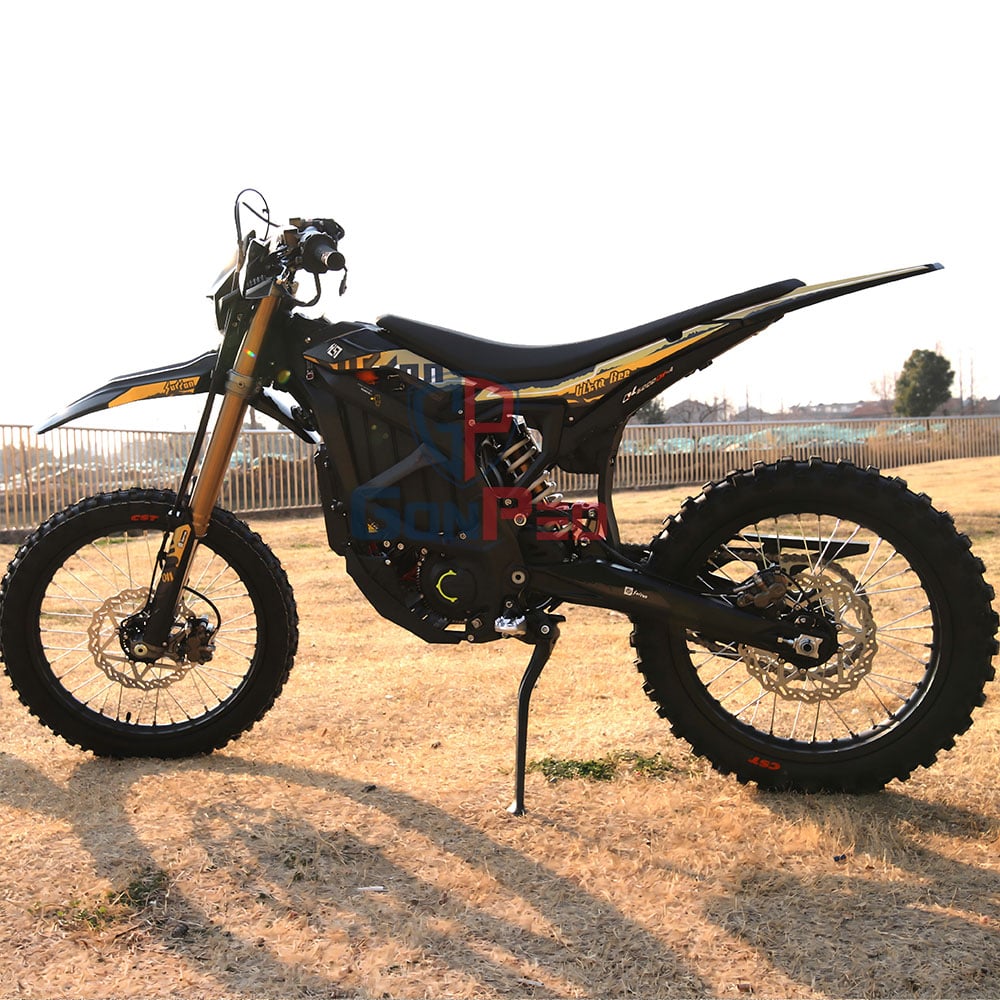
Tour companies operating in rugged terrain face constant pressure to balance equipment reliability, operational costs, and guest safety. Surron dirt bikes have emerged as a compelling option for adventure tourism operators seeking modern, electric-powered solutions. However, integrating Surron dirt bikes into your tour fleet requires careful evaluation of both significant advantages and notable limitations. Understanding the full scope of pros and cons helps tour company managers make informed decisions aligned with their specific operational needs, budget constraints, and target market expectations.
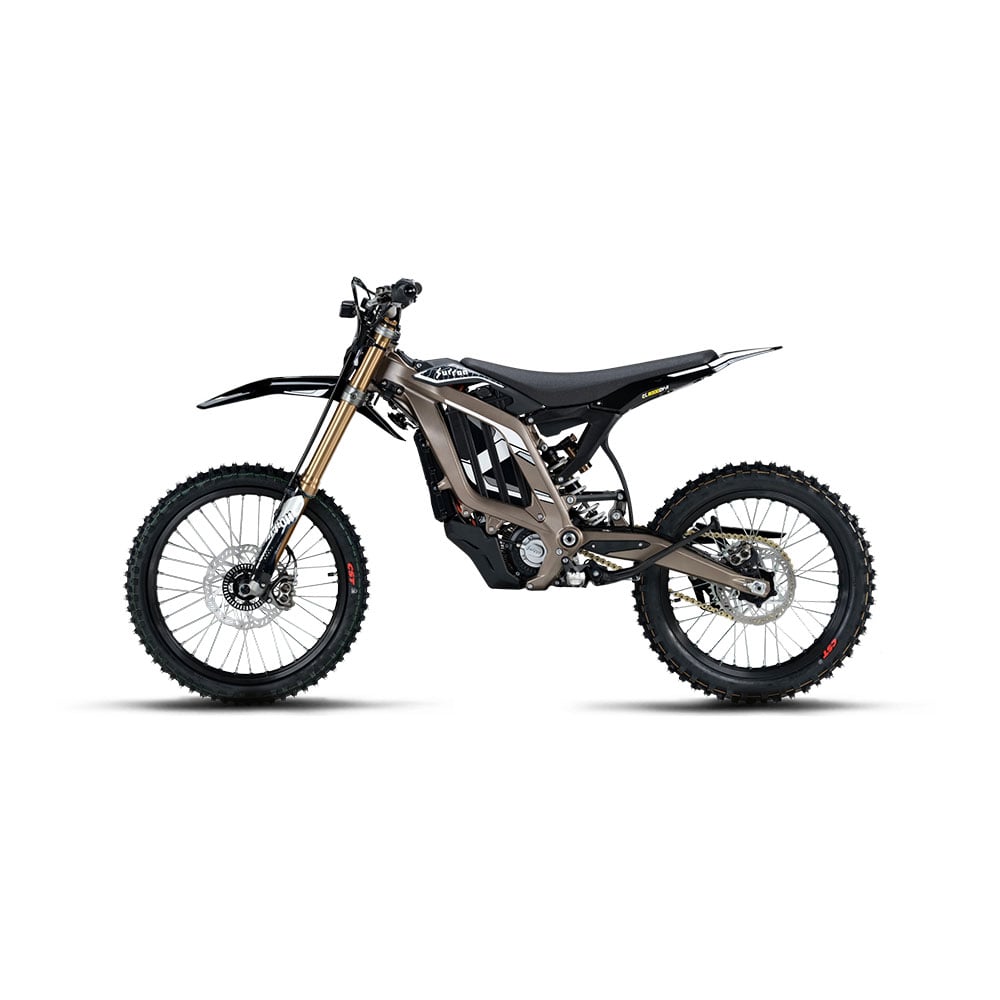
The rise of Surron dirt bikes in the commercial tour industry reflects a broader shift toward sustainable and technologically advanced recreational equipment. Tour operators worldwide are reconsidering traditional gas-powered alternatives in favor of electric solutions, and Surron dirt bikes represent a leading option in this transition. This article examines the core strengths and weaknesses of Surron dirt bikes for tour operations, providing practical guidance for companies evaluating whether these machines fit their business model and guest experience objectives.
Performance and Guest Experience Advantages of Surron Dirt Bikes
Zero-Emission Operation and Environmental Appeal
One of the most compelling benefits of Surron dirt bikes is their silent, emissions-free operation. Unlike traditional gasoline dirt bikes, Surron dirt bikes produce virtually no noise pollution and zero exhaust emissions, making them ideal for tours in environmentally sensitive areas, national parks, and nature reserves. Tour guests increasingly prefer eco-conscious experiences, and Surron dirt bikes deliver that value proposition authentically. The quiet nature of Surron dirt bikes also reduces environmental stress on wildlife habitats, which can be a major selling point for eco-tourism businesses and corporate groups seeking sustainable adventure activities.
Smooth Power Delivery and Beginner-Friendly Handling
Surron dirt bikes offer linear electric motor performance that feels natural and intuitive to inexperienced riders. The smooth torque curve of Surron dirt bikes eliminates the gear-shifting complexity and stalling risks associated with combustion engines, making guided tours more accessible to beginners and casual riders. Tour guests appreciate the immediate, predictable power of Surron dirt bikes, which boosts confidence and reduces accidents. Additionally, the low center of gravity and forgiving electric drivetrain of Surron dirt bikes make them stable on varied terrain, a critical safety feature when leading groups of mixed riding ability.
Cost and Operational Challenges of Surron Dirt Bikes
High Initial Capital Investment
The primary drawback of Surron dirt bikes is their significant upfront cost compared to used gas-powered alternatives. A quality Surron dirt bikes fleet requires substantial investment per unit, and tour companies must also budget for charging infrastructure, battery replacement planning, and specialized maintenance training. For small to mid-sized tour operators, the capital burden of transitioning to Surron dirt bikes can delay expansion or strain cash flow. While operational cost savings accrue over time through reduced fuel and maintenance expenses, the initial financial barrier remains a legitimate concern. Tour companies must carefully model their five-year total cost of ownership before committing to Surron dirt bikes.
Limited Range and Battery Performance in Cold Weather
Surron dirt bikes typically deliver 40–60 miles of range per charge under ideal conditions, but real-world performance varies significantly based on terrain, rider weight, and riding style. Tour operations in mountainous or highly technical terrain often see reduced range from their Surron dirt bikes, potentially limiting tour duration or requiring mid-tour charging stops. Cold weather substantially reduces the effective range and power output of Surron dirt bikes, making winter operations challenging in northern climates. Tour companies operating in extreme conditions should conduct thorough field testing of Surron dirt bikes before scaling their fleet, as advertised range may not align with their specific topography and seasonal climate patterns.
Maintenance, Infrastructure, and Long-Term Viability
Charging Infrastructure and Downtime Management
Operating Surron dirt bikes requires reliable charging infrastructure, which may not exist at remote tour starting points or base camps. Tour companies must invest in generators, solar charging systems, or onsite power upgrades to support multiple Surron dirt bikes charging simultaneously. Downtime between charging cycles can disrupt tour scheduling and reduce daily revenue potential, particularly for companies offering back-to-back tours. Planning tour logistics around Surron dirt bikes charging requirements demands operational discipline and backup equipment availability, adding complexity to daily scheduling compared to traditional gas-powered bikes.
Reduced Service Network and Parts Availability
While Surron dirt bikes have gained market traction, the service network and parts availability remain limited compared to established gas bike manufacturers. Tour companies operating Surron dirt bikes in remote areas may face extended downtime when major repairs or component failures occur. The specialized technical knowledge required for Surron dirt bikes maintenance means tour operators cannot rely on local motorcycle shops; they must either train internal technicians or coordinate repairs through regional Surron dealers. This dependency on specialized service availability adds operational risk that tour companies should carefully evaluate, especially in regions with sparse dealer networks for Surron dirt bikes.
FAQ
Are Surron dirt bikes reliable enough for daily commercial tour operations?
Surron dirt bikes have demonstrated solid reliability in commercial tour settings when properly maintained and used within design specifications. However, reliability depends heavily on the quality of charging infrastructure, operator training, and preventive maintenance protocols. Tour companies using Surron dirt bikes should maintain backup equipment and establish relationships with qualified service providers to minimize downtime. Conducting a pilot program with a small fleet of Surron dirt bikes before full-scale deployment helps tour operators identify operational challenges specific to their geography and business model.
What is the realistic payback period for investing in Surron dirt bikes for tours?
The payback period for Surron dirt bikes typically ranges from five to eight years, depending on tour pricing, utilization rates, and local fuel costs. Tour companies operating high-utilization fleets in regions with expensive fuel see faster payback for Surron dirt bikes, while lower-volume operators experience longer capital recovery timelines. The calculation should include battery replacement costs, as lithium-ion batteries in Surron dirt bikes degrade over time and may require replacement after 1000–1500 charge cycles. Tour operators should model detailed financial scenarios using their specific tour volumes, pricing, and regional electricity costs before committing to Surron dirt bikes investment.
Can tour companies mix Surron dirt bikes with traditional gas bikes in the same tour group?
Mixing Surron dirt bikes with gas-powered motorcycles in single tour groups is operationally challenging due to performance differences and noise level disparities. Surron dirt bikes typically have lower top speed and different acceleration profiles compared to traditional dirt bikes, which can frustrate experienced riders sharing a tour. The noise contrast between silent Surron dirt bikes and loud gas engines disrupts the quiet appeal that attracts many guests to electric options. Tour companies typically find it more practical to operate dedicated Surron dirt bikes tour groups or separate beginner tours using exclusively Surron dirt bikes rather than attempting mixed fleets on single tours.