 EN
EN

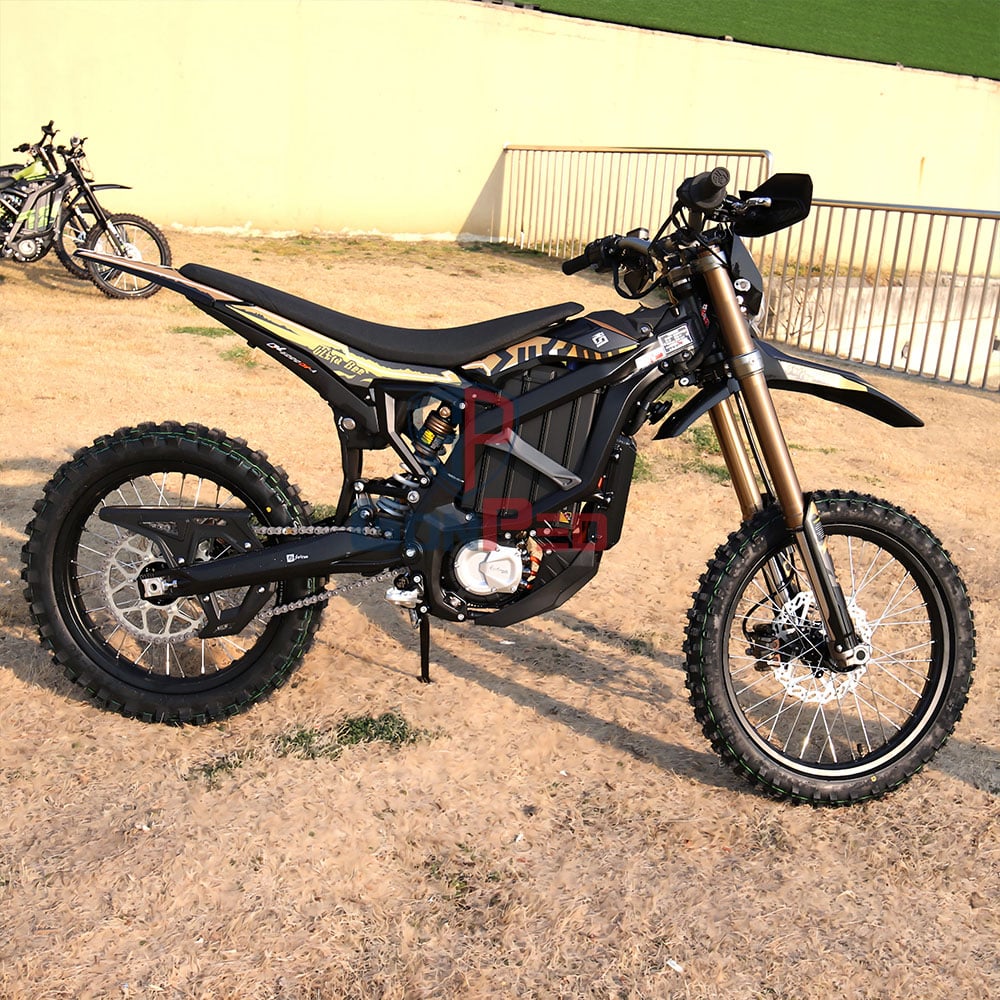
Running a successful rental operation requires more than purchasing quality equipment. To maintain a Surron dirt bike fleet for rentals, you need a structured approach that balances cost efficiency with rider safety and machine reliability. A well-maintained Surron dirt bike fleet ensures consistent performance, minimizes downtime, and protects your investment in these premium electric machines. This guide walks you through the essential maintenance protocols, inspection schedules, and operational strategies that professional rental operators use to maintain Surron dirt bike fleets at peak condition.
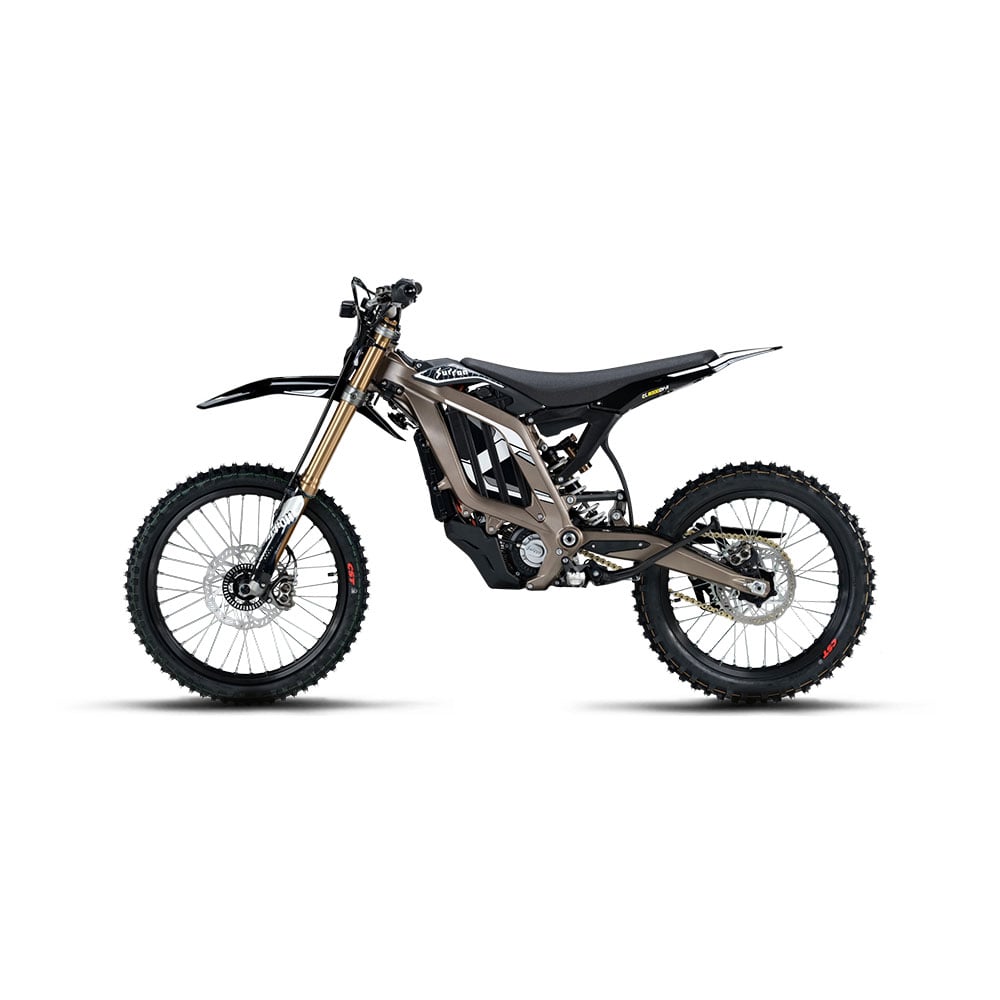
The foundation of fleet management lies in preventive maintenance. When you maintain a Surron dirt bike fleet, you're protecting against unexpected failures that disrupt customer experiences and generate costly repair bills. Electric dirt bikes like Surron machines have fewer moving parts than traditional motorcycles, but their battery systems, motor components, and suspension require specialized attention. Establishing a comprehensive maintenance calendar helps you maintain Surron dirt bike fleet performance consistently, reduce emergency repairs, and extend the operational lifespan of each vehicle in your inventory.
Pre-Rental Inspection and Daily Checks
Pre-Ride Safety Protocol
Before each rental period begins, conduct a thorough pre-rental inspection to maintain Surron dirt bike fleet safety standards. Check tire pressure and tread depth, as worn or improperly inflated tires compromise handling and increase accident risk. Inspect all brake components including brake pads, rotors, and fluid levels to ensure responsive braking performance. Verify that the throttle responds smoothly and the suspension compresses and extends properly without sticking or unusual noises. Test all lights, horn, and warning indicators to ensure they function correctly. This systematic approach helps you maintain Surron dirt bike fleet reliability and reduces liability exposure during rental operations.
Battery and Electrical System Verification
Battery health directly impacts rental satisfaction and operational efficiency. To maintain a Surron dirt bike fleet's electrical systems, check battery charge levels and verify that each machine reaches full charge capacity during overnight charging cycles. Inspect all battery connectors for corrosion, loose terminals, or physical damage that could interrupt power delivery. Examine wiring harnesses for exposed conductors, pinch points, or abrasion marks that could create safety hazards. Clean battery terminals with appropriate electrical contact cleaner to maintain conductivity. These electrical checks help you maintain Surron dirt bike fleet uptime and prevent mid-ride power failures that disrupt customer experiences.
Scheduled Maintenance and Component Care
Motor and Drivetrain Maintenance
The electric motor in a Surron dirt bike operates with minimal wear compared to combustion engines, but it still requires attention to maintain optimal performance. Inspect motor cooling fins for mud, dust, or debris accumulation that restricts heat dissipation, which could degrade motor efficiency over time. Check the chain tension regularly and maintain it within the manufacturer's specifications to prevent premature wear and power loss. Apply appropriate lubricant to the chain at intervals recommended by Surron, as proper lubrication reduces friction and extends drivetrain life. To maintain a Surron dirt bike fleet effectively, establish a chain cleaning and lubrication schedule after every 10 to 15 rental cycles, depending on riding conditions and track terrain.
Suspension and Frame Inspection
Suspension components absorb impacts and determine ride quality and safety. Regularly inspect fork seals for oil leaks that indicate internal seal degradation and loss of damping performance. Check shock absorber condition by compressing the suspension fully and listening for unusual noises or feeling for irregular resistance. Look for cracks, bends, or frame damage that could compromise structural integrity and rider safety. Tighten all frame bolts and fasteners periodically, as vibration and repeated impacts gradually loosen connections. When you maintain a Surron dirt bike fleet with suspension diligence, you prevent catastrophic failures and deliver the smooth ride quality customers expect from premium rental equipment.
Seasonal and Long-Term Fleet Strategy
Storage and Off-Season Protocols
Managing your fleet during low-season periods or extended storage requires specific procedures to maintain vehicle condition. Store machines in a climate-controlled environment when possible to minimize temperature fluctuations that stress battery chemistry and electronic components. Charge batteries to approximately 50 percent capacity before storage, as this state minimizes degradation during idle periods. Remove machines from storage monthly and charge them partially to maintain battery health and prevent deep discharge. Cover bikes to protect against dust accumulation and UV exposure that damages paint and plastic components. These storage practices help you maintain a Surron dirt bike fleet's resale value and operational readiness when rental demand resumes.
Documentation and Predictive Maintenance
Systematic record-keeping transforms maintenance from reactive crisis management into proactive fleet optimization. Create detailed maintenance logs that document every inspection, repair, part replacement, and battery performance reading for each machine. Track rental hours, kilometers, and terrain difficulty to identify usage patterns that predict component failure timelines. Use this data to schedule preventive maintenance before components typically fail, rather than waiting for breakdown incidents. Monitor repair costs by vehicle to identify machines that become economically inefficient and schedule retirement or replacement. When you maintain a Surron dirt bike fleet with data-driven decisions, you optimize resource allocation, extend asset lifespan, and improve profitability.
FAQ
How often should you perform complete maintenance on a rental Surron dirt bike fleet?
Complete maintenance cycles should occur every 250 to 300 rental hours, which typically translates to quarterly or semi-annual intervals depending on rental volume. Major components like batteries warrant annual professional inspection even with lower usage. To maintain a Surron dirt bike fleet cost-effectively, establish preventive schedules based on your actual rental patterns rather than calendar dates alone. Document component condition during each cycle to identify components approaching wear limits, allowing you to replace them proactively before customer-facing failures occur.
What are the most critical components to monitor when maintaining a rental Surron dirt bike fleet?
Battery health ranks as the most critical parameter, as battery replacement represents the largest single maintenance expense and directly impacts riding range and performance. Brake systems demand constant vigilance for safety reasons, as brake failure creates immediate hazard to riders. Tire condition affects handling, safety, and rental experience quality. Suspension components require regular inspection because they determine comfort and prevent damage from impacts. When you maintain a Surron dirt bike fleet strategically, prioritize these four areas to deliver safe, satisfying customer experiences while managing maintenance budgets responsibly.
Can you reduce maintenance costs while operating a rental Surron dirt bike fleet?
Yes, implementing preventive maintenance protocols dramatically reduces emergency repairs and extends component life, lowering overall costs significantly. Train rental staff to conduct basic daily inspections and identify emerging issues before they escalate into expensive failures. Negotiate bulk service rates with authorized Surron dealers when maintaining a Surron dirt bike fleet of multiple machines. Purchase common wear parts in bulk to benefit from volume discounts. Rotate high-use machines periodically to distribute wear evenly across your inventory rather than concentrating stress on specific bikes, extending average component lifespan and reducing replacement frequency.