 EN
EN

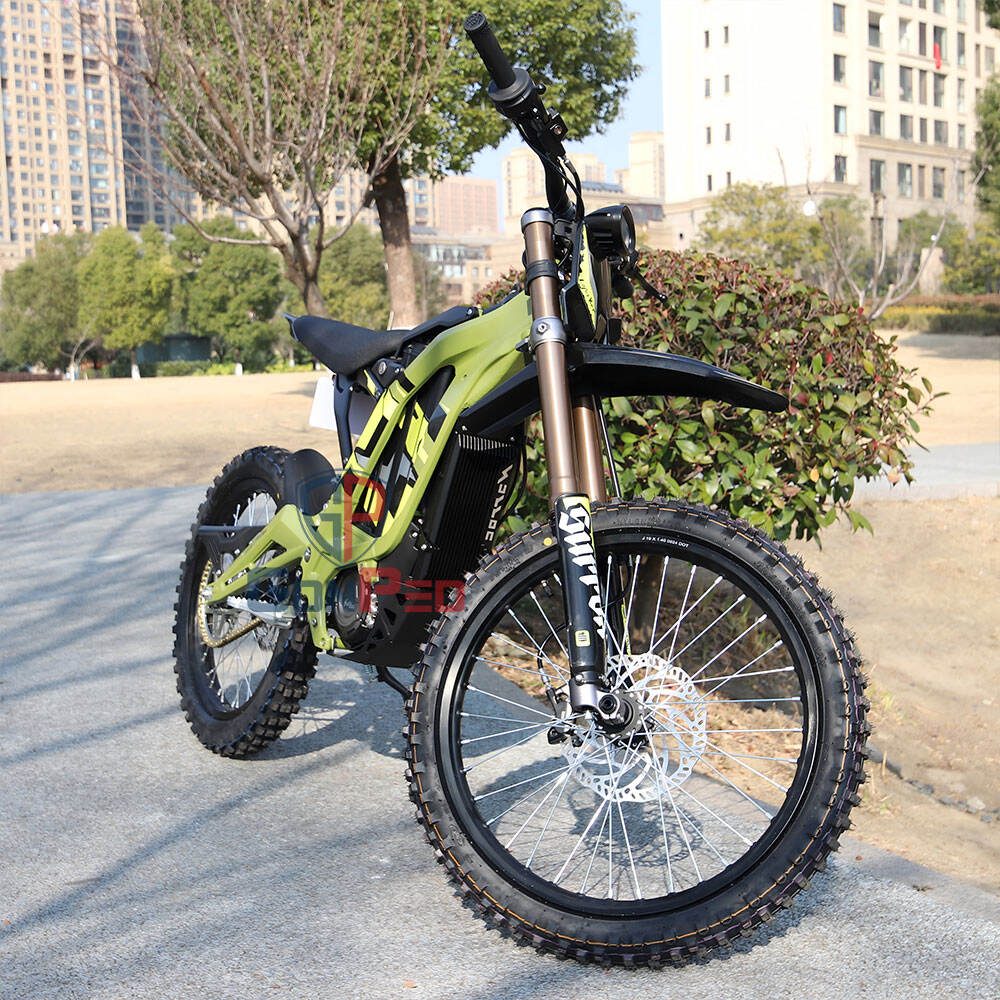
Elektrické motocykly premenili jazdné zážitky a údržba značky Surron patrí medzi najpresvedčivejšie dôvody, prečo sa jazdci presúvajú z tradičných motocyklov so spaľovacími motormi. Na rozdiel od konvenčných motocyklov, ktoré vyžadujú zložitú údržbu motora, výmenu oleja a zložité mechanické nastavenia, elektrické motocykly Surron ponúkajú výrazne zjednodušený prístup k údržbe, ktorý šetrí čas aj peniaze a zároveň zaisťuje spoľahlivý výkon.
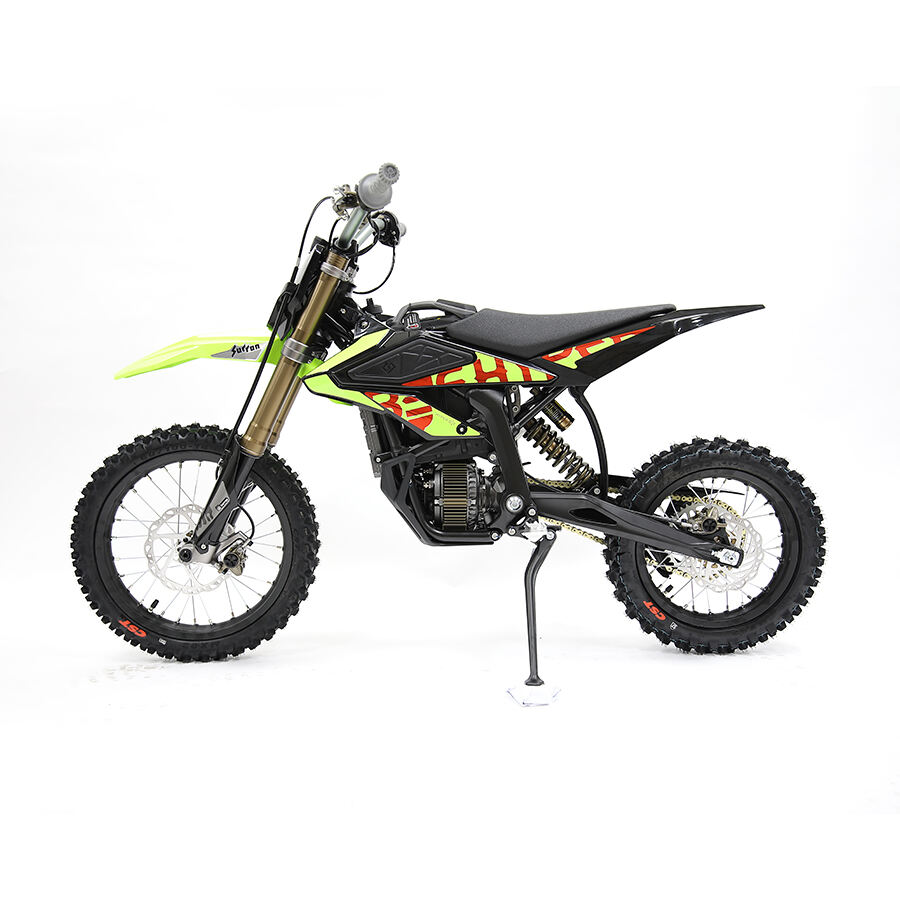
Základný rozdiel medzi údržbou motocyklov Surron a tradičnou údržbou motocyklov spočíva v návrhu elektrickej pohonnej jednotky. Zatiaľ čo motocykly so spaľovacím motorom vyžadujú častú pozornosť venovanú motorom, palivovým systémom a výfukovým súčastiam, motocykly značky Surron tieto zložité systémy úplne eliminujú. Tento zjednodušený prístup znamená menej pohyblivých častí, znížené miesta opotrebovania a výrazne menšiu potrebu údržbových zásahov, aby ste udržali svoj motocykel na vrcholnej výkonnosti.
Zjednodušená pohonná jednotka eliminuje zložitú údržbu motora
Žiadne výmeny oleja ani správa kvapalín
Tradičné motocykly vyžadujú pravidelnú výmenu oleja každých 3 000 až 5 000 míľ, v závislosti od typu motora a podmienok jazdy. Tento proces zahŕňa vypustenie starého oleja, výmenu filtra a zodpovednú likvidáciu odpadových materiálov. Údržba motocyklov značky Surron tento požiadavok úplne eliminuje, pretože elektrické motory pracujú bez mazacieho oleja. Absencia olejových systémov znamená žiadne úniky oleja, žiadnu výmenu filtrov a žiadne obavy z vplyvu viskozity alebo kontaminácie oleja na výkon.
Pohonné jednotky na benzín tiež vyžadujú údržbu chladiaceho systému, výmenu brzdovej kvapaliny a čistenie palivového systému. Tieto kvapalinové systémy vytvárajú viacero možných miest poruchy a vyžadujú pravidelné monitorovanie. Protokoly údržby motocyklov značky Surron sa zameriavajú predovšetkým na starostlivosť o batériu a základné mechanické komponenty, čím výrazne znížia zložitosť a frekvenciu údržbových opatrení.
Spoľahlivosť elektrického motora
Elektromotory obsahujú výrazne menej pohyblivých častí v porovnaní s motormi s vnútorným spaľovaním. Zatiaľ čo tradičné motocyklové motory majú stovky komponentov vrátane piestov, ventilov, rozvodových hriadeľov a rozvodových reťazí, elektromotory Surron fungujú s minimálnym vnútorným trením a opotrebovaním. Tento rozdiel v návrhu znamená, že údržbové intervaly Surron môžu byť výrazne predĺžené medzi hlavnými servisnými zásahmi.
Regeneračný brzdný systém na motocykloch Surron tiež zníži opotrebovanie tradičných brzdových komponentov, čím výrazne predĺži životnosť brzdových kĺbov a diskov v porovnaní s konvenčnými motocyklami. Táto funkcia sama o sebe zníži jeden z najčastejších údržbových položiek na tradičných motocykloch, čím robí Údržbu Surron dlhodobo nákladovo efektívnejšou.
Technológia batérií zjednodušuje požiadavky na servis
Automatický systém riadenia batérie
Moderná údržba motocyklov Surron využíva pokročilé systémy riadenia batérií, ktoré automaticky monitorujú stav článkov, teplotu a počet nabíjacích cyklov. Tieto systémy predchádzajú mnohým bežným problémom, ktoré by pri tradičných motocykloch vyžadovali manuálne zásahy. Systém riadenia batérie zabezpečuje reguláciu napätia, tepelnú ochranu a vyváženie náboja bez zásahu jazdca, čím sa zníži zložitosť údržby.
Na rozdiel od tradičných motocyklov, ktoré vyžadujú nastavovanie karburátora, ladenie vstrekovania paliva a údržbu časovania zapálenia, údržba motocyklov Surron spočíva len v monitorovaní stavu batérie prostredníctvom onboardových diagnostických systémov. Elektronické systémy poskytujú reálny prehľad o prevádzkových parametroch, čo uľahčuje identifikáciu potenciálnych problémov ešte predtým, než sa stanú vážnymi.
Jednoduchosť nabíjacej infraštruktúry
Tradičné palivové systémy motocyklov vyžadujú pravidelné čistenie, výmenu palivového filtra a údržbu karburátora, aby sa zabránilo usadzovaniu nečistôt a kontaminácii. Údržba motocyklov Surron tieto zložité postupy nahrádza jednoduchými protokolmi nabíjania. Pravidelné nabíjanie pomocou štandardných elektrických zásuviek udržiava optimálny výkon batérie bez potreby špeciálneho náradia alebo technických znalostí.
Samotný proces nabíjania sa stáva súčasťou bežnej údržby motocyklov Surron, pretože správne návyky nabíjania predlžujú životnosť batérie a zabezpečujú stály výkon. Tento prístup eliminuje potrebu prísad do paliva, zvyšovačov oktánového čísla a sezónnej prípravy paliva, ktoré vyžadujú tradičné motocykle.
Znížená mechanická zložitosť zníži frekvenciu servisov
Menej komponentov podliehajúcich opotrebeniu
Tradičné motocykly vyžadujú pravidelnú údržbu vzduchových filtrov, sviečok, nastavovanie ventilov a výmenu remeňa rozvodového mechanizmu. Tieto komponenty sa opotrebovávajú v dôsledku spaľovacích procesov a na ich správnu údržbu je potrebné odborné mechanické znalosti. Údržba motocyklov značky Surron eliminuje väčšinu týchto opotrebovateľných častí úplne a sústreďuje sa namiesto toho na základné komponenty, ako sú pneumatiky, brzdové kocky a údržba reťaze, ktoré sú spoločné pre všetky motocykly.
Chýbajúci výfukový systém na motocykloch značky Surron odstraňuje ďalšiu veľkú kategóriu údržby. Tradičné motocykly vyžadujú kontrolu výfukového systému, výmenu tesniacich podložiek a údržbu emisného systému. Protokoly údržby Surron tieto požiadavky úplne vynechávajú, čím sa skracuje čas potrebný na servis i súvisiace náklady.
Zjednodušené diagnostické postupy
Riešenie problémov s tradičnými motocyklami často vyžaduje špeciálne diagnostické zariadenia a rozsiahle mechanické znalosti. Nesprávne spaľovanie v motore, problémy s dodávkou paliva a zápalové poruchy môžu byť zložité na diagnostiku a drahé na opravu. Riešenie porúch údržby modelov Surron zvyčajne zahŕňa jednoduchšie kontrolu elektrického systému a monitorovanie výkonu batérie.
Väčšinu problémov s údržbou Surron je možné identifikovať prostredníctvom zabudovaných diagnostických systémov, ktoré poskytujú jasné chybové kódy a ukazovatele výkonu. Táto prehľadnosť uľahčuje jazdcom pochopenie potrieb údržby a efektívnejšiu komunikáciu so servisnými technikmi v prípade, že je potrebná odborná pomoc.
Nákladovo efektívne dlhodobé vlastníctvo
Nižšie náklady na diely a prácu
Tradičná údržba motocyklov zahŕňa drahé komponenty motora, špeciálne mazivá a zložité postupy práce, ktoré zvyšujú náklady na servis. Údržba motocyklov značky Surron zvyčajne vyžaduje menej náhradných dielov a jednoduchšie postupy práce, čo vedie k nižším celkovým nákladom na vlastníctvo. Znížená zložitosť znamená, že mnoho základných údržbových úkonov môžu vykonávať samotní majitelia s minimálnym technickým vzdelaním.
Profesionálne servisné intervaly pre údržbu motocyklov značky Surron sú zvyčajne dlhšie a lacnejšie ako pri tradičných motocykloch. Absencia prestavby motora, prestavby prevodovky a výmeny hlavných komponentov, ktoré sú bežné u spaľovacích motocyklov, znamená predvídateľnejší a cenovo dostupnejší dlhodobý rozpočet na údržbu.
Environmentálne a pohodlné výhody
Údržba elektrických motocyklov Surron generuje menej odpadu v porovnaní s údržbou tradičných motocyklov. Výpadok likvidácie oleja, výmeny vzduchového filtra a komponentov systému emisií znamená znížený environmentálny dopad a jednoduchšie spravovanie odpadu. Tento aspekt robí údržbu Surron pohodlnejšou pre ekologicky zodpovedných jazdcov a zníži náklady súvisiace s likvidáciou odpadu.
Pohodlie sa rozširuje aj na plánovanie údržby. Tradičné motocykle často vyžadujú špecifické časové okná na údržbu na základe prevádzkových teplôt a stavu motora. Údržbu Surron možno vykonávať flexibilnejšie, pretože elektrické systémy nepotrebujú obdobie zahrievania ani ochladzovania pred bezpečným prístupom k servisným praciam.
Často kladené otázky
Ako často potrebuje elektrický bicykel Surron profesionálnu údržbu?
Údržba Surron sa zvyčajne vykonáva profesionálnou službou každých 6–12 mesiacov alebo každých 2 000–3 000 míľ v závislosti od spôsobu používania. Toto je výrazne menej časté ako u tradičných motocyklov, ktoré často vyžadujú údržbu každých 3 000–5 000 míľ alebo každých 3–6 mesiacov. Predĺžené intervaly údržby sú možné vďaka zjednodušenému elektrickému pohonom a menšiemu počtu opotrebovateľných komponentov, ktoré vyžadujú pravidelnú pozornosť.
Aké sú hlavné údržbové úlohy pre elektrické bicykle Surron?
Hlavné údržbové úlohy pre Surron zahŕňajú monitorovanie stavu batérie, kontrolu tlaku v pneumatikách, kontrolu brzdových kladiek, mazanie reťaze a čistenie elektrických spojení. Na rozdiel od tradičných motocyklov nie je potrebné meniť olej, vymieňať sviečky, meniť vzduchový filter ani upravovať ventily. Tento zjednodušený údržbový plán robí vlastníctvo pohodlnejším a cenovo výhodnejším pre väčšinu jazdcov.
Môžu majitelia vykonávať údržbu Surron sami?
Mnoho údržbových úkonov pre Surron môžu vykonávať majitelia s základnými mechanickými zručnosťami. Monitorovanie batérie, údržba pneumatík, starostlivosť o reťaz a kontrola brzd sú jednoduché postupy, ktoré nepotrebujú špeciálne školenie. Elektrické diagnostiky a výmenu batérie však musia vykonávať kvalifikovaní technici, aby sa zabezpečila bezpečnosť a zachovala sa platnosť záruky.
Ako sa náklady na údržbu Surron porovnávajú s nákladmi na údržbu tradičných motocyklov?
Náklady na údržbu Surron sú typicky o 40–60 % nižšie ako náklady na údržbu tradičných motocyklov počas trojročného obdobia. Vylúčenie výmeny oleja, nastavovania motora a výmeny zložitých komponentov výrazne zníži náklady na diely aj prácu. Hoci výmena batérie predstavuje najväčší jednorazový náklad na údržbu, vyskytuje sa mnohonásobne menej často ako rozsiahle prestavby motora, ktoré vyžadujú tradičné motocykly.