 EN
EN
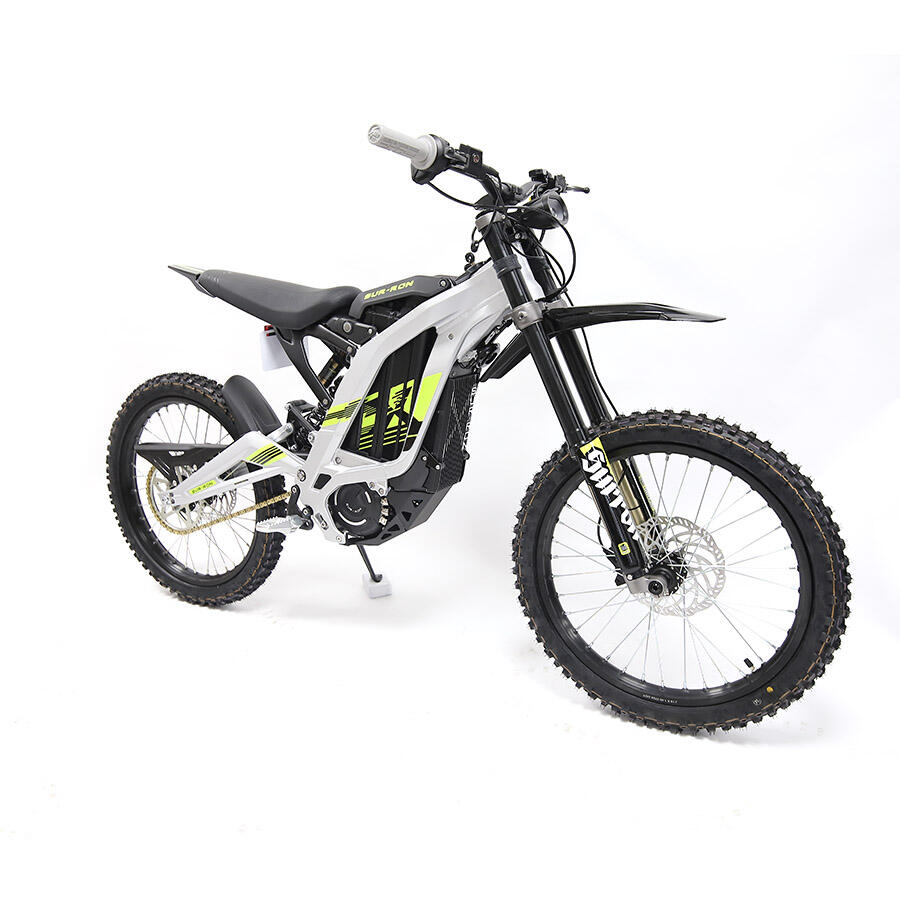
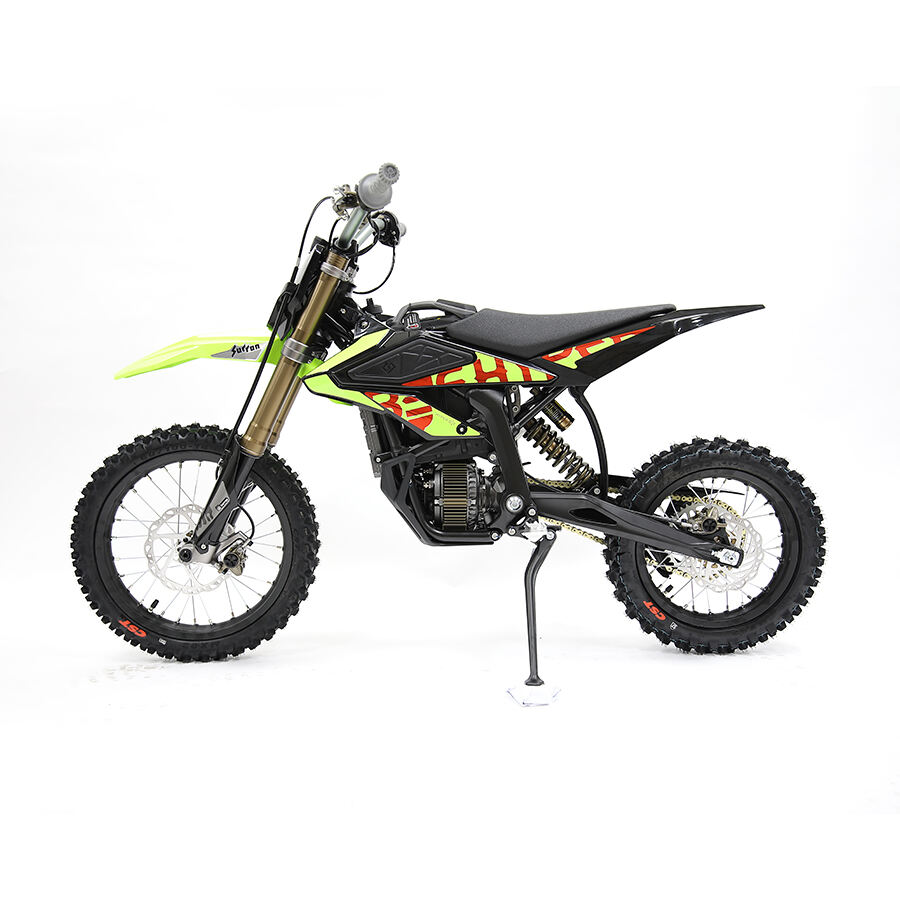
The growing popularity of electric bikes has revolutionized personal transportation, with the Surron electric bike leading the charge in high-performance electric mobility. As more riders embrace these powerful machines, understanding where you can legally and safely operate your Surron electric bike becomes crucial for both compliance and safety. Navigating the complex landscape of regulations, terrain options, and safety considerations requires comprehensive knowledge to maximize your riding experience while staying within legal boundaries.
Understanding Legal Classifications for Electric Bikes
Federal Regulations and Classifications
The legal framework surrounding electric bikes varies significantly across different jurisdictions, making it essential to understand how your Surron electric bike fits within established classifications. Federal regulations typically categorize electric bikes into three distinct classes based on their power output, speed capabilities, and assist mechanisms. Class 1 electric bikes provide pedal assistance up to 20 mph, Class 2 bikes include throttle assistance up to 20 mph, and Class 3 bikes offer pedal assistance up to 28 mph. The classification of your specific Surron electric bike model determines where you can legally ride and what regulations apply to your operation.
Most Surron electric bike models fall outside traditional electric bike classifications due to their high power output and motorcycle-like capabilities. This classification impacts everything from licensing requirements to where you can legally operate the vehicle. Understanding these distinctions helps riders make informed decisions about registration, insurance, and operational compliance. The power specifications of your Surron electric bike directly influence its legal status and the venues where you can enjoy riding safely and legally.
State and Local Variations
State and local governments maintain significant authority over electric bike regulations, creating a patchwork of rules that Surron electric bike owners must navigate carefully. Some states treat high-performance electric bikes like motorcycles, requiring registration, licensing, and insurance, while others have more permissive regulations for electric mobility devices. Local municipalities often impose additional restrictions on where electric bikes can operate, particularly in urban areas with heavy pedestrian traffic or sensitive environmental zones.
The variability in local regulations means that your Surron electric bike might be legal in one jurisdiction but restricted in neighboring areas. Researching specific local ordinances before riding ensures compliance and helps avoid potential legal complications. Many jurisdictions update their electric bike regulations frequently as technology evolves, making it important to stay informed about current rules and any pending changes that might affect your riding privileges.
Private Property and Off-Road Opportunities
Private Land Access and Permissions
Private property offers some of the most flexible opportunities for Surron electric bike operation, provided you have proper permissions and access rights. Many riders find that private land provides ideal conditions for exploring their bike's capabilities without the regulatory constraints that apply to public spaces. Obtaining written permission from property owners protects both riders and landowners while establishing clear expectations for responsible use of the space.
Private property riding allows for skill development, testing, and enjoyment of your Surron electric bike in a controlled environment. Rural properties, farms, and private trails often provide varied terrain suitable for different riding styles and experience levels. Building relationships with property owners who welcome responsible electric bike use can create long-term riding opportunities and contribute to positive community relationships. Always respect property boundaries, environmental concerns, and any specific conditions set by property owners.
Designated Off-Road Vehicle Areas
Many regions maintain designated off-road vehicle areas specifically designed for recreational riding, and these venues often welcome Surron electric bike riders alongside traditional dirt bikes and ATVs. These managed areas provide maintained trails, safety facilities, and regulated environments where riders can explore their bike's capabilities legally and safely. Designated riding areas typically charge fees to support maintenance, safety programs, and environmental protection initiatives.
Off-road vehicle parks offer structured environments with trails suitable for various skill levels, from beginner-friendly paths to challenging technical terrain. Many facilities provide amenities such as parking, restrooms, tool areas, and emergency services, enhancing the overall riding experience. These venues also foster community among electric bike enthusiasts, creating opportunities to share knowledge, techniques, and experiences with fellow Surron electric bike owners.
Public Trail Systems and Parks
Multi-Use Trail Considerations
Public trail systems present complex considerations for Surron electric bike riders, as regulations vary widely depending on trail management agencies, intended uses, and environmental concerns. Some multi-use trails welcome electric bikes that meet specific classifications, while others restrict motorized vehicles entirely. Understanding trail-specific regulations requires research into managing agencies, posted signs, and current use policies that apply to your particular Surron electric bike model.
Trail compatibility depends not only on legal permissions but also on practical considerations such as trail width, surface conditions, and other user groups. Responsible Surron electric bike operation on multi-use trails requires awareness of pedestrians, traditional cyclists, and equestrian users who may share the space. Speed management, yielding protocols, and environmental impact awareness become essential elements of responsible trail riding that help preserve access for all user groups.
National and State Park Regulations
National and state park systems typically maintain strict regulations regarding motorized vehicles, and most Surron electric bike models fall under these restrictions due to their power and performance characteristics. However, some park systems have begun developing specific policies for electric bikes, creating designated areas or trails where certain classifications of electric bikes may operate legally. Understanding these evolving regulations requires checking current park policies and any pilot programs that might affect Surron electric bike access.
Park regulations often prioritize environmental protection, visitor safety, and preservation of natural resources, which influences how electric bikes are regulated within these systems. Some parks offer guided tours or special events that welcome electric bike participation, providing structured opportunities to enjoy park resources while maintaining compliance with regulations. Building relationships with park officials and participating in public comment periods can help shape future policies that might expand access for responsible Surron electric bike riders.
Urban and Suburban Riding Options
Street Legal Requirements
Operating a Surron electric bike on public roads requires understanding street legal requirements that vary significantly by jurisdiction. Many areas require registration, insurance, appropriate lighting, mirrors, and other safety equipment to make electric bikes street legal. The process of making your Surron electric bike street legal often involves inspections, documentation, and compliance with specific equipment standards that ensure safe operation alongside traditional vehicles.
Street legal conversion may require modifications to your Surron electric bike, including addition of turn signals, brake lights, license plate mounts, and other safety equipment mandated by local regulations. Understanding these requirements before purchasing allows riders to factor modification costs and complexity into their decision-making process. Some jurisdictions offer streamlined processes for electric bike registration, while others treat them similarly to motorcycles with more comprehensive requirements.
Bike Lane and Path Access
Access to bike lanes and dedicated cycling infrastructure depends heavily on local classifications of your Surron electric bike and specific facility regulations. Many bike lanes restrict access to traditional bicycles and approved electric bike classes, potentially excluding high-performance models that exceed power or speed thresholds. Understanding these restrictions helps riders plan routes and avoid potential conflicts with enforcement or other path users.
Shared use paths and greenways often welcome appropriate electric bikes but may have speed limits, equipment requirements, or operational restrictions that affect Surron electric bike use. Responsible riding in these environments requires awareness of other users, adherence to posted speed limits, and consideration of the infrastructure's design limitations. Building positive relationships with other path users helps preserve access and demonstrates the compatibility of responsible electric bike operation with existing cycling infrastructure.
Safety Considerations and Best Practices
Protective Equipment and Gear
Proper protective equipment becomes essential when operating a Surron electric bike, regardless of the riding environment or legal requirements. High-quality helmets designed for electric bike use provide crucial protection against impacts and should meet current safety standards for the speeds and conditions you encounter. Additional protective gear such as knee pads, elbow pads, and appropriate footwear enhance safety and reduce injury risk during falls or accidents.
Visibility equipment including reflective clothing, lights, and bright colors helps other trail users, vehicles, and riders detect your presence and respond appropriately. The quiet operation of your Surron electric bike means that audible warnings such as bells or horns become important communication tools for sharing space safely with others. Investing in quality protective equipment demonstrates responsibility and helps ensure that electric bike activities maintain positive relationships with communities and land managers.
Environmental Responsibility
Environmental stewardship plays a crucial role in maintaining access for Surron electric bike riders across various venues and jurisdictions. Staying on designated trails, avoiding sensitive ecological areas, and minimizing soil erosion helps preserve natural resources and demonstrates responsible use that supports continued access. Understanding Leave No Trace principles and applying them to electric bike operation protects environments while building positive relationships with land managers and other user groups.
Noise management, wildlife awareness, and vegetation protection contribute to environmental responsibility that helps sustain riding opportunities. Even though your Surron electric bike operates more quietly than traditional motorcycles, being mindful of noise levels during early morning or late evening hours shows consideration for neighbors and wildlife. Participating in trail maintenance activities and supporting conservation organizations demonstrates commitment to preserving the natural areas where you enjoy riding.
Building Community and Advocacy
Connecting with Local Riding Groups
Joining local electric bike and riding communities provides valuable resources for finding legal riding opportunities and staying informed about regulatory changes affecting Surron electric bike operation. Experienced riders often share knowledge about trail access, legal requirements, and safety practices that benefit newcomers to the electric bike community. These relationships also provide advocacy opportunities to support policies that expand access while promoting responsible riding practices.
Local riding groups often organize events, group rides, and educational activities that help build positive community relationships and demonstrate responsible Surron electric bike use. Participating in these activities shows commitment to safety, environmental responsibility, and community engagement that helps build support for continued access. Many groups also provide mechanical support, riding instruction, and safety training that enhances individual skills while promoting best practices throughout the community.
Supporting Policy Development
Active participation in policy development helps ensure that regulations affecting Surron electric bike operation remain fair, reasonable, and based on factual information about electric bike capabilities and impacts. Attending public meetings, commenting on proposed regulations, and providing input to land managers helps shape policies that balance access with safety and environmental concerns. Educated advocacy from responsible riders contributes to regulatory frameworks that support continued access while addressing legitimate concerns from other stakeholders.
Supporting research and education initiatives helps build understanding of electric bike impacts, benefits, and appropriate management strategies. Sharing positive experiences, documenting responsible use, and addressing concerns proactively helps build support for expanded access and reasonable regulations. The future of Surron electric bike access depends partly on the demonstrated responsibility of current riders and their engagement in policy discussions that shape regulatory frameworks.
FAQ
Can I ride my Surron electric bike on public roads
The ability to ride your Surron electric bike on public roads depends on local regulations and whether your specific model meets street legal requirements. Many jurisdictions require registration, insurance, proper lighting, and safety equipment for road use. High-performance Surron electric bike models may be classified as motorcycles, requiring motorcycle licenses and full compliance with motor vehicle regulations. Check with your local Department of Motor Vehicles or transportation authority to understand specific requirements in your area.
What type of insurance do I need for my Surron electric bike
Insurance requirements vary based on your Surron electric bike's classification and how you plan to use it. If your bike is classified as a motorcycle or moped, you may need motorcycle insurance that includes liability coverage and potentially comprehensive and collision protection. For off-road use only, some riders choose specialized recreational vehicle insurance or add coverage to existing homeowner's policies. Consult with insurance professionals who understand electric bike classifications to ensure appropriate coverage for your specific situation and intended use.
Are there age restrictions for operating a Surron electric bike
Age restrictions for Surron electric bike operation depend on local regulations and the bike's classification within your jurisdiction. Many areas treat high-performance electric bikes similarly to motorcycles, requiring riders to meet minimum age requirements and obtain appropriate licenses. Some locations require parental supervision for younger riders or restrict certain types of riding areas based on age. Private property riding may have different age considerations, but responsible supervision remains important for younger riders regardless of legal requirements.
How can I find legal places to ride near me
Finding legal riding locations requires research through multiple channels including local government websites, electric bike retailers, riding groups, and outdoor recreation organizations. Many areas maintain lists of approved off-road vehicle areas, multi-use trails that welcome electric bikes, and private facilities that offer riding opportunities. Online forums and social media groups for Surron electric bike owners often share local knowledge about riding locations and access requirements. Contact local park services, forest services, and recreation departments to learn about current policies and any planned changes that might affect access.