 EN
EN

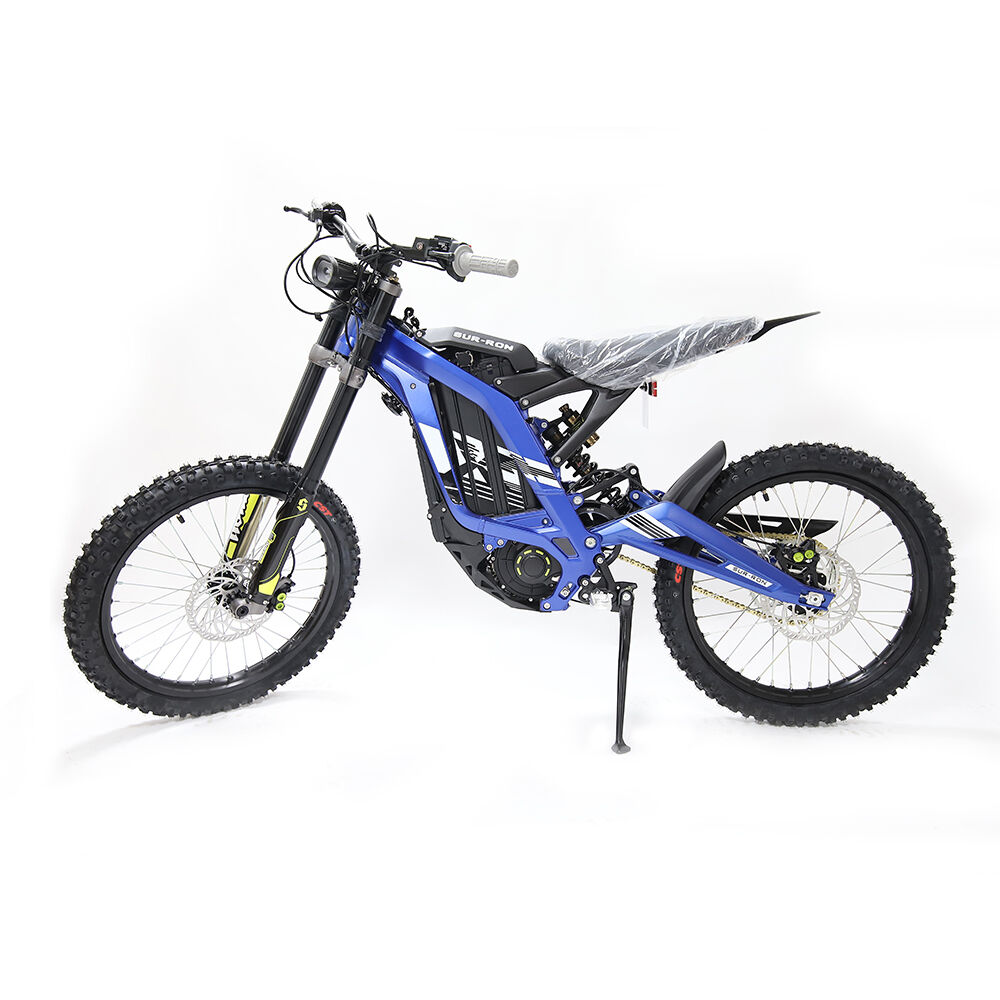
The transition to electric mobility has revolutionized many sectors, and off-road recreation is no exception. An electric dirt bike represents the cutting edge of sustainable adventure sports, offering riders an environmentally conscious alternative without compromising on thrills or performance. These innovative machines combine the excitement of traditional dirt biking with zero emissions, reduced noise pollution, and impressive technological capabilities that are reshaping the outdoor recreation landscape.
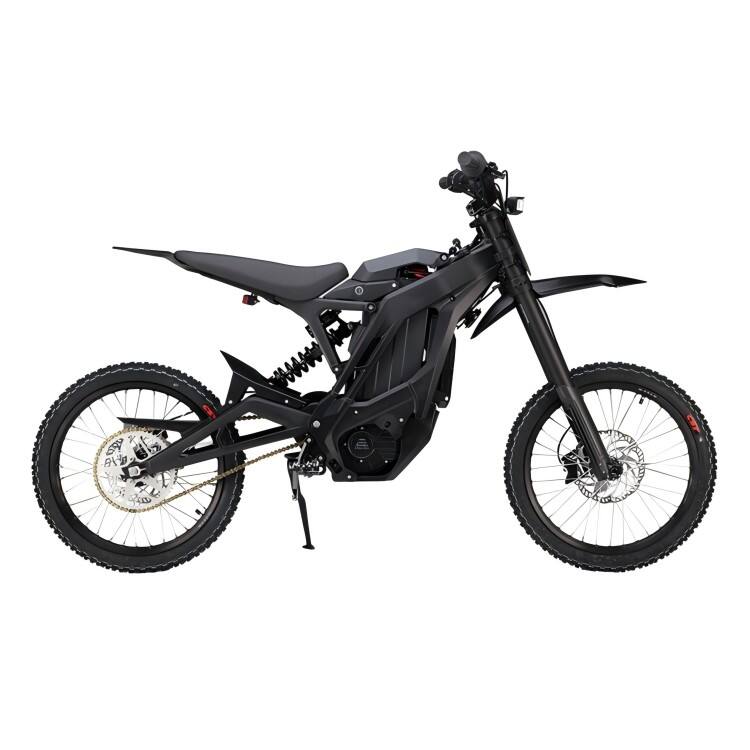
Environmental Impact and Sustainability
Zero Emission Operation
Unlike conventional gasoline-powered dirt bikes, an electric dirt bike produces zero direct emissions during operation. This fundamental difference eliminates harmful exhaust gases including carbon monoxide, nitrogen oxides, and particulate matter that traditionally pollute natural environments. National parks and protected wilderness areas increasingly favor electric alternatives, recognizing their minimal environmental footprint compared to combustion engines.
The absence of exhaust emissions makes electric dirt bikes particularly valuable for riders who frequent sensitive ecological zones. Wildlife habitats remain undisturbed by toxic fumes, preserving the natural balance that traditional motorized recreation often disrupts. This environmental consideration extends beyond immediate riding areas, contributing to broader air quality improvements in recreational zones.
Noise Pollution Reduction
Traditional dirt bikes generate significant noise pollution, often exceeding 100 decibels during operation. An electric dirt bike operates virtually silently, producing minimal sound beyond tire traction and wind resistance. This dramatic noise reduction allows riders to experience nature without disturbing wildlife or neighboring communities, opening previously restricted areas to responsible recreation.
The quiet operation of electric models enables early morning or late evening rides without community complaints. Trail systems near residential areas or sensitive wildlife corridors benefit tremendously from this reduced acoustic impact, making electric dirt bike adoption increasingly attractive to land managers and environmental stewards.
Performance Advantages
Instant Torque Delivery
Electric motors provide instantaneous torque delivery, giving an electric dirt bike superior acceleration compared to gasoline engines. This immediate power response enhances technical climbing ability and provides more controlled power delivery for challenging terrain navigation. Riders experience smooth, linear acceleration without the power band limitations inherent in combustion engines.
The precise throttle control offered by electric systems allows for incredibly nuanced power management. Hill climbing becomes more predictable and controllable, while technical sections requiring careful throttle modulation benefit from the responsive electric powertrain. This performance characteristic particularly advantages novice riders learning throttle control techniques.
Reduced Maintenance Requirements
Electric dirt bikes require significantly less maintenance than their gasoline counterparts. The absence of oil changes, air filter replacements, spark plug maintenance, and carburetor adjustments dramatically reduces ongoing service requirements. Electric motors contain fewer moving parts, resulting in increased reliability and lower long-term ownership costs.
Battery technology improvements have extended service intervals while reducing complexity. Most electric dirt bike maintenance involves basic cleaning, brake adjustments, and periodic battery conditioning. This simplified maintenance schedule appeals to riders seeking maximum trail time with minimal garage time, making electric options attractive for busy outdoor enthusiasts.
Technological Innovation and Features
Advanced Battery Management Systems
Modern electric dirt bikes incorporate sophisticated battery management systems that optimize performance, longevity, and safety. These intelligent systems monitor cell temperatures, voltage levels, and discharge rates to ensure optimal battery performance across varied riding conditions. Regenerative braking capabilities extend range while providing additional engine braking assistance during descents.
Battery technology continues advancing rapidly, with lithium-ion systems offering improved energy density and faster charging times. Many electric dirt bike models now provide removable battery packs, enabling quick swapping for extended riding sessions or convenient indoor charging. This flexibility addresses range anxiety concerns while maintaining the convenience factor crucial for recreational use.
Digital Integration and Monitoring
Contemporary electric dirt bikes feature sophisticated digital displays and smartphone connectivity options. Riders can monitor real-time performance data including power output, remaining range, speed, and battery status. Some models integrate GPS tracking, ride logging, and performance analysis capabilities that enhance the overall riding experience.
Customizable power modes allow riders to adjust performance characteristics based on terrain, skill level, or conservation requirements. These programmable settings optimize the electric dirt bike performance for specific riding conditions, from beginner-friendly modes to maximum performance configurations for experienced riders tackling challenging terrain.
Economic Benefits and Cost Considerations
Operating Cost Advantages
Electric dirt bikes offer substantial operating cost advantages over gasoline-powered alternatives. Electricity costs significantly less than gasoline per mile of operation, with many riders reporting 80-90% reductions in fuel costs. Home charging capabilities eliminate gas station visits while providing convenient overnight charging options.
The reduced maintenance requirements translate into lower service costs over the vehicle's lifetime. Without oil changes, filter replacements, and complex engine maintenance, electric dirt bike ownership proves more economical for regular riders. These savings accumulate substantially over time, often offsetting higher initial purchase prices within several years of ownership.
Long-term Value Proposition
Government incentives and rebates increasingly support electric vehicle adoption, including recreational electric dirt bikes. Tax credits, utility rebates, and manufacturer incentives can substantially reduce initial purchase costs, improving the value proposition for environmentally conscious consumers.
Resale values for well-maintained electric dirt bikes remain strong due to increasing environmental awareness and performance recognition. As battery technology improves and replacement costs decrease, used electric models retain value better than aging gasoline counterparts requiring expensive engine rebuilds or repairs.
Range and Charging Infrastructure
Modern Range Capabilities
Current generation electric dirt bikes achieve impressive range capabilities, with many models providing 40-60 miles of mixed terrain riding per charge. Advanced battery chemistry and improved motor efficiency continue extending these ranges, addressing earlier concerns about electric vehicle limitations in recreational applications.
Range varies significantly based on riding style, terrain difficulty, and power mode selection. Conservative riding on moderate terrain can extend range considerably, while aggressive riding or steep climbing reduces available distance. Most electric dirt bike manufacturers provide range estimation tools helping riders plan adventures within battery limitations.
Charging Solutions and Infrastructure
Portable charging solutions enable remote charging using generators or solar panels, expanding electric dirt bike utility for extended camping trips. Fast-charging capabilities reduce downtime, with many models achieving 80% charge within 2-4 hours using standard household outlets.
Public charging infrastructure continues expanding, particularly in recreational areas and trail systems. RV parks, camping facilities, and outdoor recreation centers increasingly provide electric vehicle charging options, supporting electric dirt bike tourism and extended adventure opportunities.
FAQ
How long does an electric dirt bike battery last before replacement?
Most electric dirt bike batteries maintain 80% capacity after 1000-1500 charge cycles, translating to 3-5 years of typical recreational use. Battery lifespan depends on charging habits, storage conditions, and usage patterns. Proper maintenance including avoiding complete discharges and extreme temperatures extends battery longevity significantly.
Can electric dirt bikes handle steep terrain and technical trails?
Modern electric dirt bikes excel on technical terrain due to instant torque delivery and precise throttle control. Many models provide superior climbing ability compared to gasoline engines, with consistent power delivery regardless of RPM. Weight distribution and low center of gravity often improve handling characteristics on challenging trails.
What maintenance is required for electric dirt bikes?
Electric dirt bike maintenance primarily involves cleaning, brake adjustments, tire pressure checks, and battery conditioning. Unlike gasoline engines, electric systems require no oil changes, filter replacements, or carburetor maintenance. Periodic software updates and electrical connection inspections complete the minimal maintenance schedule.
Are electric dirt bikes suitable for racing and competitive events?
Electric dirt bikes increasingly participate in competitive racing, with dedicated electric classes emerging across various racing organizations. Superior acceleration and consistent power delivery provide competitive advantages, though range limitations require strategic race planning. Professional racing series showcase electric dirt bike capabilities while promoting sustainable motorsport development.