 EN
EN


Purchasing a SurRon electric dirt bike represents a significant investment, yet many buyers rush into decisions without fully understanding the critical factors that separate a smart purchase from a costly error. SurRon buying mistakes often stem from overlooking essential specifications, underestimating total ownership costs, or misaligning the bike's capabilities with actual riding needs. Whether you are a first-time electric dirt bike buyer or upgrading from a previous model, understanding these common SurRon buying mistakes will help you make a choice that delivers real value and long-term satisfaction.
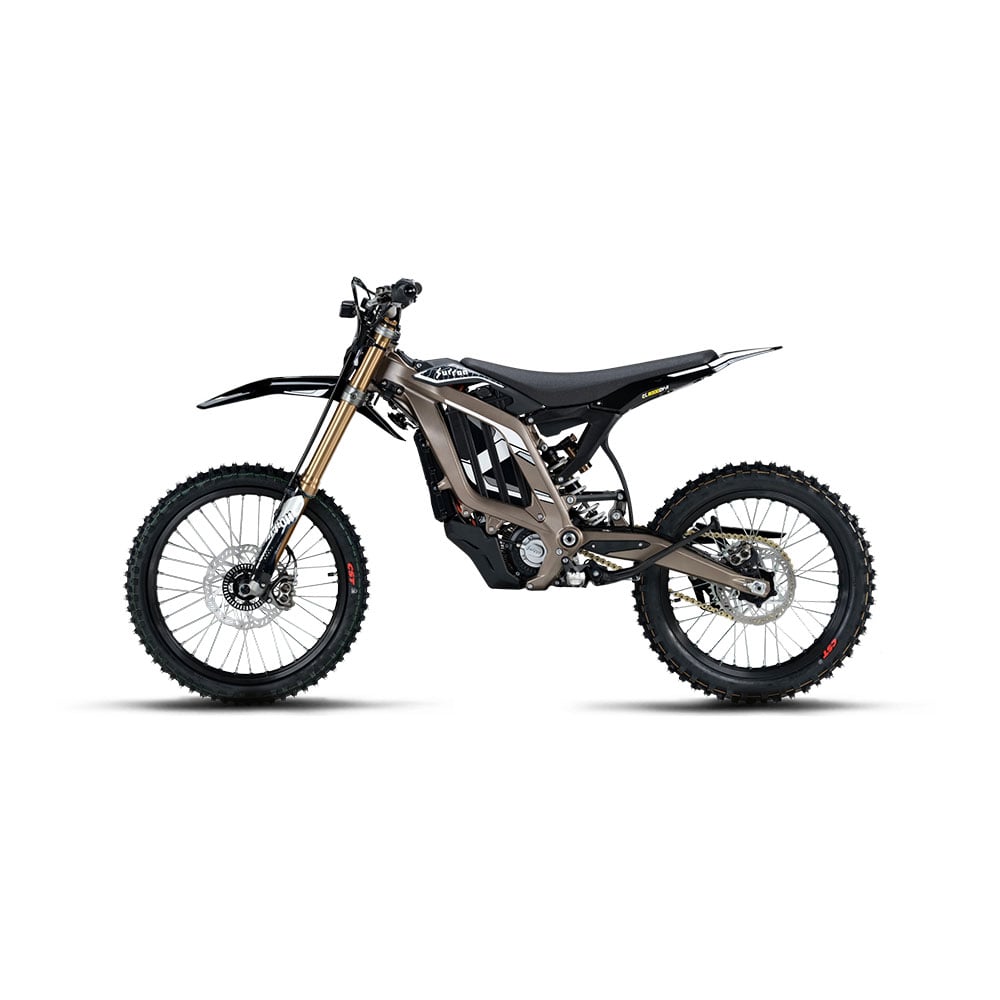
The SurRon market has exploded in recent years, offering buyers diverse models and configurations at various price points. However, this abundance of options has created an environment where SurRon buying mistakes happen frequently. Riders who neglect to research battery technology, suspension quality, weight distribution, or intended use case often find themselves with a bike that does not meet their expectations. This guide walks through five critical SurRon buying mistakes that could derail your purchase decision, ensuring you invest wisely in an electric dirt bike that truly fits your riding style and budget.
Mistake One: Ignoring Battery Specifications and Range Reality
Understanding True Battery Capacity and Performance Metrics
One of the most frequent SurRon buying mistakes involves underestimating how battery specifications translate to real-world riding experience. Buyers often focus solely on stated range figures without accounting for terrain, rider weight, speed, and weather conditions that dramatically affect battery life. SurRon buying mistakes in this category stem from assuming maximum advertised range will apply to your personal riding situation. A battery rated for 80 kilometers of range may deliver only 50 to 60 kilometers when climbing steep hills, riding in cold weather, or carrying additional cargo.
The voltage and amp-hour ratings matter significantly when comparing different SurRon models. Higher voltage systems typically offer better hill-climbing capability and more stable power delivery, while amp-hour capacity directly determines how long your bike will operate before requiring a charge. SurRon buying mistakes frequently occur when riders purchase models with insufficient capacity for their intended riding patterns, forcing them to charge mid-ride or restrict their exploration range. Understanding your typical ride distance and terrain difficulty before making a purchase prevents this costly mistake and ensures your SurRon investment aligns with practical usage demands.
Charging Infrastructure and Ownership Costs
Another dimension of SurRon buying mistakes relates to charging logistics and total cost of ownership. Buyers who overlook charging time, available power outlets, and regional electricity costs often face unexpected frustrations and expenses. A SurRon electric dirt bike that requires eight hours to charge from a standard outlet versus four hours with a dedicated fast charger creates different lifestyle implications. SurRon buying mistakes in this realm include failing to assess whether your home or riding location has adequate charging infrastructure before committing to a purchase.
Replacement battery costs represent another hidden expense that many overlook when making SurRon buying mistakes. Battery packs degrade gradually over 300 to 500 charge cycles, and replacement units can cost a substantial percentage of your original bike investment. Calculating battery replacement costs over a five-year ownership period and factoring them into your purchase decision helps avoid SurRon buying mistakes that emerge as financial burdens later on.
Mistake Two: Overlooking Suspension Quality and Riding Comfort
Suspension Geometry and Off-Road Performance
Many SurRon buying mistakes arise from treating suspension as a secondary feature rather than a primary performance factor. Entry-level and mid-range SurRon models often feature basic suspension components that handle smooth terrain adequately but struggle on technical trails, rocky descents, and high-impact landings. When evaluating different SurRon configurations, buyers who make SurRon buying mistakes frequently prioritize power output and range while glossing over whether the suspension geometry suits their riding intensity and skill level.
Suspension travel, damping adjustability, and spring rates directly influence how a SurRon handles rough terrain and protects your body from impact shock. SurRon buying mistakes in suspension selection become painfully apparent after your first challenging ride when inadequate damping causes bottoming out, loss of control, or excessive fatigue. Premium SurRon models offer adjustable compression and rebound settings that let you fine-tune the ride feel, whereas budget options force you to accept whatever characteristics the factory configured. Investing time to understand suspension specifications before falling victim to SurRon buying mistakes ensures your bike performs confidently on your preferred terrain.
Weight Distribution and Stability Considerations
SurRon buying mistakes frequently stem from ignoring how chassis weight, battery placement, and overall balance affect handling characteristics. Heavier bikes with low battery positioning tend to feel stable and planted during acceleration, but the increased mass makes climbing steep hills and executing precise maneuvers more demanding. Conversely, lighter SurRon models with higher centers of gravity offer better agility but may feel twitchy or unstable at high speeds on uneven ground.
Your body position and weight relative to the bike significantly impacts how those chassis dynamics translate to your actual riding experience. SurRon buying mistakes occur when riders select a model based on specifications alone without considering whether the resulting weight distribution matches their strength, skill level, and physical proportions. A 75-kilogram rider and a 120-kilogram rider may have completely different experiences on the same SurRon model, highlighting why test rides and hands-on evaluation prevent costly SurRon buying mistakes.
Mistake Three: Failing to Match Performance to Intended Use and Terrain
Assessing Your Actual Riding Environment
One of the most consequential SurRon buying mistakes involves purchasing a model designed for one terrain type when your actual riding environment demands different capabilities. SurRon electric dirt bikes exist across a performance spectrum, from lightweight trail-focused models to powerful machines engineered for sand, mud, and extreme terrain. Riders who make SurRon buying mistakes often select based on peak specifications rather than matching the bike to their actual geographic location and riding style.
If you primarily ride sandy desert terrain, your SurRon needs robust torque delivery, excellent traction control, and suspension tuned for soft surface impacts. Conversely, technical rock-strewn trail riding demands precise handling, excellent braking control, and suspension optimized for small-bump compliance and larger compression support. SurRon buying mistakes proliferate when riders overlook this terrain-to-bike matching process and instead chase peak power numbers that may not translate to genuine performance gains in their specific environment. Spend time analyzing your local riding areas, identifying terrain characteristics, and matching those demands to available SurRon configurations before committing to a purchase.
Balancing Beginner Progression and Skill Development
Novice riders frequently make SurRon buying mistakes by purchasing high-performance models designed for advanced skills before developing the foundational techniques necessary to ride safely and effectively. A 24-kilowatt peak power SurRon electric dirt bike demands respect, throttle control discipline, and strong body positioning skills that take months to develop. SurRon buying mistakes in this category result in riders who feel overwhelmed, crash frequently, or never unlock the bike's potential because they outmatched their current ability level.
Alternatively, some riders make SurRon buying mistakes by selecting underpowered models that fail to grow with them as skills improve, forcing them into a second purchase within 12 to 18 months. Finding the right balance between your current skill level and realistic progression goals prevents both types of SurRon buying mistakes. Consider renting or borrowing various SurRon models, riding with experienced pilots, and honestly assessing your current abilities before committing to a specific configuration that will occupy several years of your budget.
Mistake Four: Neglecting Maintenance Requirements and Service Availability
Understanding Preventive Maintenance and Component Longevity
SurRon buying mistakes often emerge when riders underestimate the maintenance demands of electric dirt bikes and fail to account for service accessibility. While electric motors require less routine maintenance than gasoline engines, SurRon models still demand regular attention to brake fluid, tire pressure, chain tension, and electrical connections. Many SurRon buying mistakes occur because buyers assume electric powertrains eliminate maintenance responsibilities, leading them to neglect preventive care that extends component lifespan and ensures safe operation.
Brake pads wear faster on SurRon electric dirt bikes compared to gasoline equivalents due to frequent braking during trail riding and regenerative braking cycles. Chains require periodic cleaning, adjustment, and eventual replacement as they stretch with use. Tires demand regular pressure checks and replacement on schedules varying with riding intensity. SurRon buying mistakes in this realm manifest when riders discover these costs and responsibilities exceed their expectations, particularly if no qualified service centers operate within reasonable distance. Before purchasing, identify where you will obtain parts, locate authorized service technicians, and understand typical maintenance intervals and costs associated with your SurRon model choice.
Warranty Coverage and Technical Support Access
Another critical dimension of SurRon buying mistakes involves warranty terms, technical support availability, and repair responsiveness. Electric bikes still employ proprietary components, specialized battery management systems, and controller electronics that demand manufacturer expertise for effective diagnosis and repair. SurRon buying mistakes happen when riders purchase from sellers offering minimal warranty protection or from regions where technical support remains sparse or slow.
Review warranty periods, coverage scope, and what happens if your battery or motor fails outside the warranty window. Some SurRon buying mistakes stem from choosing sellers offering lower prices but minimal after-sales support, creating frustration when technical issues emerge. Purchasing from authorized dealers who maintain inventory of common replacement parts and employ factory-trained technicians prevents SurRon buying mistakes that could otherwise sideline your bike for weeks during critical repair situations.
Mistake Five: Underestimating Total Ownership Costs and Long-Term Value
Calculating Hidden Expenses Beyond the Purchase Price
Perhaps the most overlooked SurRon buying mistakes involve failing to account for the true total cost of ownership stretching across multiple years of use. The initial purchase price represents only the beginning of your investment, and underestimating hidden expenses leads many riders to regret their SurRon buying decisions within months. Comprehensive ownership cost analysis must include battery replacement projections, maintenance supplies, replacement tires, brake components, spare parts inventory, registration where required, insurance where available, and charging electricity costs.
Riders who make SurRon buying mistakes in this category often fixate on purchasing the cheapest available model only to discover that budget-focused options require more frequent maintenance, have shorter component lifespans, and ultimately cost significantly more per mile of riding. Mid-range and premium SurRon models frequently deliver lower per-mile costs due to superior component quality and longer intervals between major repairs. Calculate your annual riding mileage, multiply by projected years of ownership, and distribute total expected costs across that distance to identify which SurRon model truly offers the best value proposition. This analysis prevents SurRon buying mistakes rooted in false economy and short-term thinking.
Resale Value and Market Depreciation Factors
SurRon buying mistakes sometimes occur when riders fail to consider resale prospects and depreciation patterns that affect the effective cost of ownership if you eventually sell the bike. Popular, well-regarded SurRon models tend to retain value better than experimental configurations or discontinued versions that lack spare parts availability. Market demand, battery condition at time of sale, overall mileage, and general wear significantly impact how much money you recover from a SurRon purchase several years down the line.
Maintenance records, proper storage practices, and careful riding that minimizes cosmetic damage all preserve resale value and reduce your effective cost of ownership. Many SurRon buying mistakes emerge from viewing the bike as purely consumable rather than as an asset with residual value potential. Selecting popular models from established manufacturers, maintaining meticulous service records, and treating your SurRon with appropriate care ensures that when you eventually transition to a new bike, you recover substantial capital for your next purchase investment.
FAQ
What are the most common SurRon buying mistakes first-time buyers make?
First-time buyers frequently make SurRon buying mistakes by prioritizing peak power specifications while neglecting battery range accuracy, suspension quality, and actual terrain suitability. They often underestimate maintenance requirements, overlook charging infrastructure needs, and fail to calculate comprehensive ownership costs. Additionally, SurRon buying mistakes commonly occur when riders select models that exceed their current skill level, creating safety risks and frustration rather than enjoyment.
How can I avoid SurRon buying mistakes related to battery performance and longevity?
Research battery specifications thoroughly, understand how rider weight and terrain affect range, and calculate realistic ownership costs including battery replacement. Connect with experienced SurRon riders to learn actual range figures rather than relying solely on manufacturer claims. Test ride different models to evaluate how battery performance feels across your typical riding terrain, and assess whether charging infrastructure exists conveniently. These steps prevent SurRon buying mistakes rooted in unrealistic battery expectations.
What should I evaluate before making my final SurRon purchase decision?
Thoroughly evaluate suspension quality, weight distribution, and handling characteristics through extended test rides. Confirm that the SurRon model matches your actual terrain and skill level rather than aspirational abilities. Identify nearby authorized service centers and verify warranty coverage details. Calculate total ownership costs across your projected ownership period, and research resale value trends for your chosen model. This comprehensive evaluation prevents most common SurRon buying mistakes and ensures your purchase delivers genuine satisfaction and value.
Table of Contents
- Mistake One: Ignoring Battery Specifications and Range Reality
- Mistake Two: Overlooking Suspension Quality and Riding Comfort
- Mistake Three: Failing to Match Performance to Intended Use and Terrain
- Mistake Four: Neglecting Maintenance Requirements and Service Availability
- Mistake Five: Underestimating Total Ownership Costs and Long-Term Value
- FAQ