 EN
EN

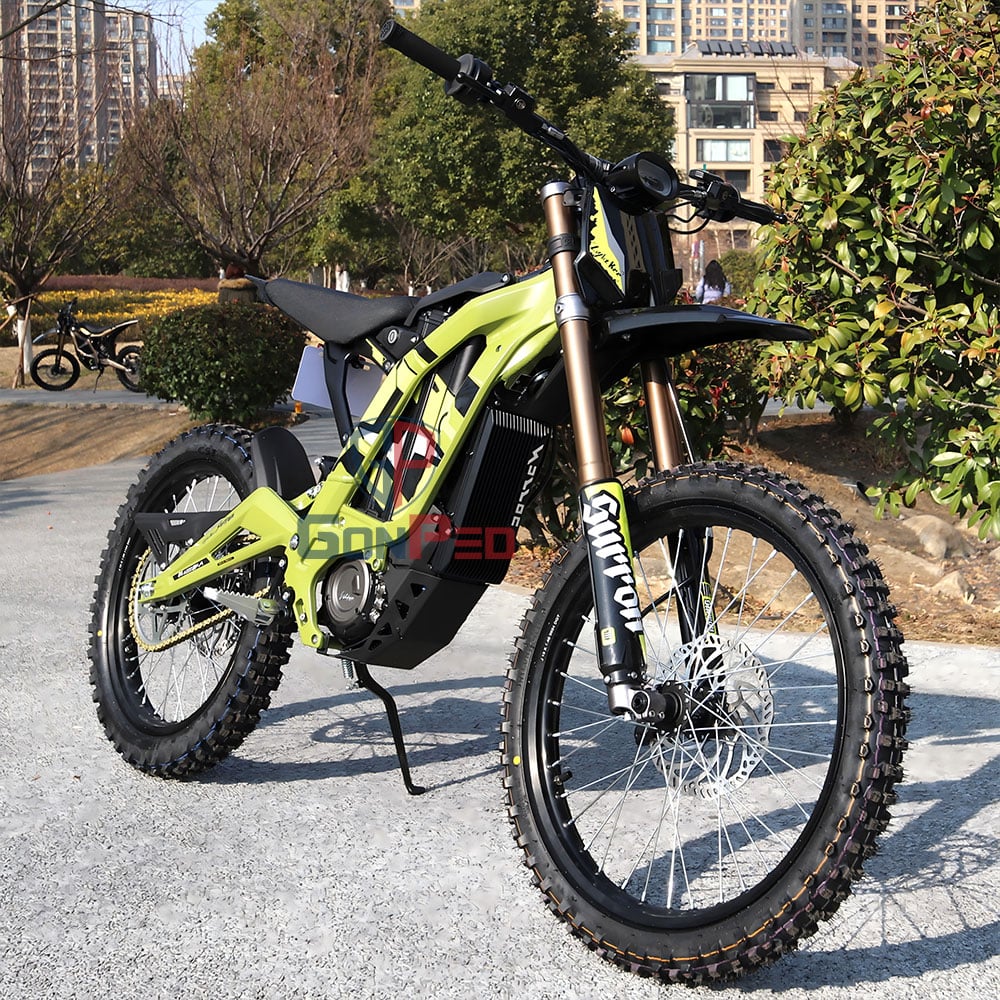
The Surron Light Bee fork service is an essential maintenance task that every owner should understand to keep their electric motorcycle in optimal working condition. Regular fork maintenance ensures smooth handling, extends component lifespan, and maintains the safety of your riding experience. Whether you're a beginner or gaining hands-on mechanical knowledge, learning the fundamentals of Surron Light Bee fork service will empower you to perform basic maintenance tasks with confidence and save on professional service costs.
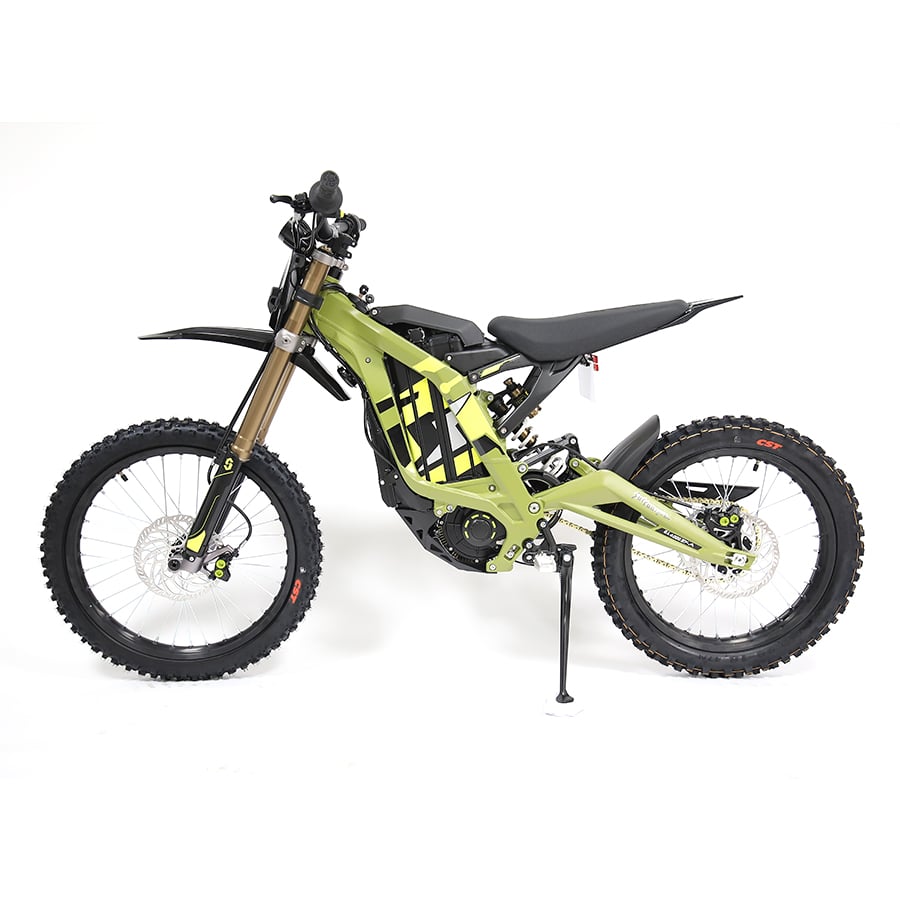
The fork system on a Surron Light Bee is engineered to handle off-road terrain while providing responsive steering and shock absorption. Understanding how to properly service this critical component requires knowledge of its structure, common maintenance requirements, and the tools you'll need. This comprehensive beginner's guide walks you through each step of Surron Light Bee fork service, from inspection techniques to lubrication procedures and troubleshooting common issues.
Understanding Surron Light Bee Fork Service Fundamentals
What Makes Fork Service Important
Regular Surron Light Bee fork service prevents premature wear and maintains the responsiveness of your steering system. The fork absorbs impacts from obstacles and uneven terrain, which gradually depletes lubricants and introduces dirt into internal components. Without proper Surron Light Bee fork service, you may experience increased friction, reduced damping performance, and potential safety hazards. Preventive maintenance through consistent Surron Light Bee fork service is far more cost-effective than replacing damaged internals or addressing alignment issues later.
Key Components of the Fork Assembly
The Surron Light Bee fork service process requires familiarity with several components, including the outer tubes, inner stanchions, seals, springs, and damping cartridges. Each element plays a role in the fork's overall performance and durability. Understanding these parts helps you identify what needs attention during Surron Light Bee fork service and recognize when professional intervention is necessary. The seals are particularly critical because they protect internal fluids and prevent contamination during normal Surron Light Bee fork service intervals.
Tools and Materials Needed for Surron Light Bee Fork Service
Essential Tools for Basic Service
Before starting Surron Light Bee fork service, gather the necessary tools to ensure a smooth process. You'll need a set of metric wrenches, socket sets, Allen keys, a torque wrench, fork oil or suspension fluid specified for your model, and clean lint-free cloths. A motorcycle stand or lift device is crucial for safely elevating your bike during Surron Light Bee fork service work. Having the correct tools prevents damage to components and ensures that your Surron Light Bee fork service meets manufacturer specifications.
Selecting the Right Suspension Fluid
Choosing the correct suspension fluid is one of the most important aspects of Surron Light Bee fork service. The Surron Light Bee fork service manual specifies particular fluid viscosity and type to maintain optimal damping characteristics. Using incorrect fluid during Surron Light Bee fork service compromises performance and may void your warranty. Before purchasing any fluids, verify the exact requirements in your owner's manual or contact an authorized Surron dealer to confirm what suspension fluid your Surron Light Bee fork service should use.
Step-by-Step Surron Light Bee Fork Service Procedure
Inspection and Initial Assessment
Begin your Surron Light Bee fork service by visually inspecting the outer tubes for dust, debris, or visible damage. Gently compress and extend the fork by hand to feel for stiffness or unusual resistance that might indicate problems requiring more detailed attention during Surron Light Bee fork service. Check around the fork seals for oil leaks, which signal that deeper Surron Light Bee fork service work is needed. Document any observations before proceeding, as this baseline information helps you measure improvements after completing your Surron Light Bee fork service.
Cleaning the Exterior Surfaces
Thorough cleaning is the first active step in any Surron Light Bee fork service routine. Use a soft brush and gentle water spray to remove accumulated dirt and mud from the outer tubes and joints. This step prevents contamination from entering the fork during Surron Light Bee fork service work and helps you spot any hairline cracks or damage. Never use high-pressure washers during Surron Light Bee fork service, as excessive pressure can force water into seals and compromise their effectiveness.
Removing and Draining Old Fluid
Proper fluid removal is critical to successful Surron Light Bee fork service. Secure your motorcycle on a lift and remove the fork caps according to your manual's specifications for Surron Light Bee fork service. Slowly extend and compress the fork multiple times to purge old fluid into a drain container, being patient during this phase of Surron Light Bee fork service to ensure complete fluid exchange. The color and condition of the drained fluid often reveal the internal state of your fork and help you decide whether Surron Light Bee fork service needs to be more extensive.
Cleaning Internal Passages
After draining, rinse the internal passages with clean suspension fluid specified for Surron Light Bee fork service work. This rinse removes sediment, oxidized particles, and residual old lubricant that would compromise the effectiveness of your Surron Light Bee fork service. Perform several compress-extend cycles with the rinse fluid before final disposal, ensuring thorough cleaning throughout the Surron Light Bee fork service process. The quality of this cleaning directly impacts the performance gains you'll experience after completing your Surron Light Bee fork service.
Refilling With New Suspension Fluid
Refill the fork with the correct type and quantity of new suspension fluid as specified in your manual for proper Surron Light Bee fork service. Many manufacturers provide specific fill levels for Surron Light Bee fork service, sometimes measured from the top of the stanchion tube with the fork fully compressed. Measure carefully during this step of Surron Light Bee fork service to avoid overfilling or underfilling, both of which degrade performance. After refilling, work the fork through its entire range of motion several times to distribute the new fluid evenly during your Surron Light Bee fork service completion.
Seal Inspection and Replacement
Examine all visible seals during your Surron Light Bee fork service for cracks, deformation, or hardening that indicates replacement is necessary. Rubber seals naturally degrade over time, and addressing seal wear during preventive Surron Light Bee fork service prevents costly fluid leaks later. If seals appear compromised, your Surron Light Bee fork service should include replacement before reassembling the fork. Many beginner-level Surron Light Bee fork service tasks can be performed at home, but seal replacement often requires specialized tools and may be best handled by experienced technicians.
Reassembly and Testing After Surron Light Bee Fork Service
Proper Reassembly Techniques
When reassembling components after Surron Light Bee fork service, follow all torque specifications precisely to prevent leaks or damage. Reinstall fork caps, any covers, and external components in reverse order of removal from your Surron Light Bee fork service process. Use your torque wrench to apply proper fastener tension, as incorrect torque during Surron Light Bee fork service completion can cause problems down the road. Double-check all connections before lowering your motorcycle to ensure your Surron Light Bee fork service work meets quality standards.
Test Ride and Performance Evaluation
After completing your Surron Light Bee fork service, start with a short, low-speed test ride to verify everything is working correctly. Notice any changes in fork responsiveness, damping feel, or handling characteristics compared to your baseline observation during the inspection phase of Surron Light Bee fork service. The fork should feel smoother and more responsive after quality Surron Light Bee fork service work. If you notice any unusual noises, stiffness, or leaks during your test ride, return home immediately to re-examine your Surron Light Bee fork service work and make necessary adjustments.
FAQ
How often should I perform Surron Light Bee fork service?
Most manufacturers recommend Surron Light Bee fork service every 50 to 100 hours of riding or annually, whichever comes first. Riders in muddy or extremely wet conditions should perform Surron Light Bee fork service more frequently. Check your owner's manual for specific Surron Light Bee fork service intervals based on your model year and usage patterns. Regular Surron Light Bee fork service according to schedule prevents the accumulation of contaminants and maintains optimal performance.
What signs indicate I need emergency Surron Light Bee fork service?
Visible oil leaking from the fork, complete loss of damping feel, or unusual clunking sounds are urgent indicators that your Surron Light Bee fork service should be performed immediately. If the fork feels overly stiff or won't compress smoothly, Surron Light Bee fork service may be required to address internal blockages or seal failure. Never continue riding with a compromised fork, as it affects handling safety and can worsen damage, making Surron Light Bee fork service more complex later.
Can beginners really handle their own Surron Light Bee fork service?
Yes, basic Surron Light Bee fork service tasks like cleaning, fluid replacement, and inspection are well within beginner capability with proper tools and instructions. More advanced work like seal replacement or internal damping adjustments may require professional expertise during Surron Light Bee fork service. Start with the fundamentals of Surron Light Bee fork service and gain experience before attempting complex repairs. Having a professional perform your first Surron Light Bee fork service can provide valuable hands-on learning opportunities for future maintenance.