 EN
EN

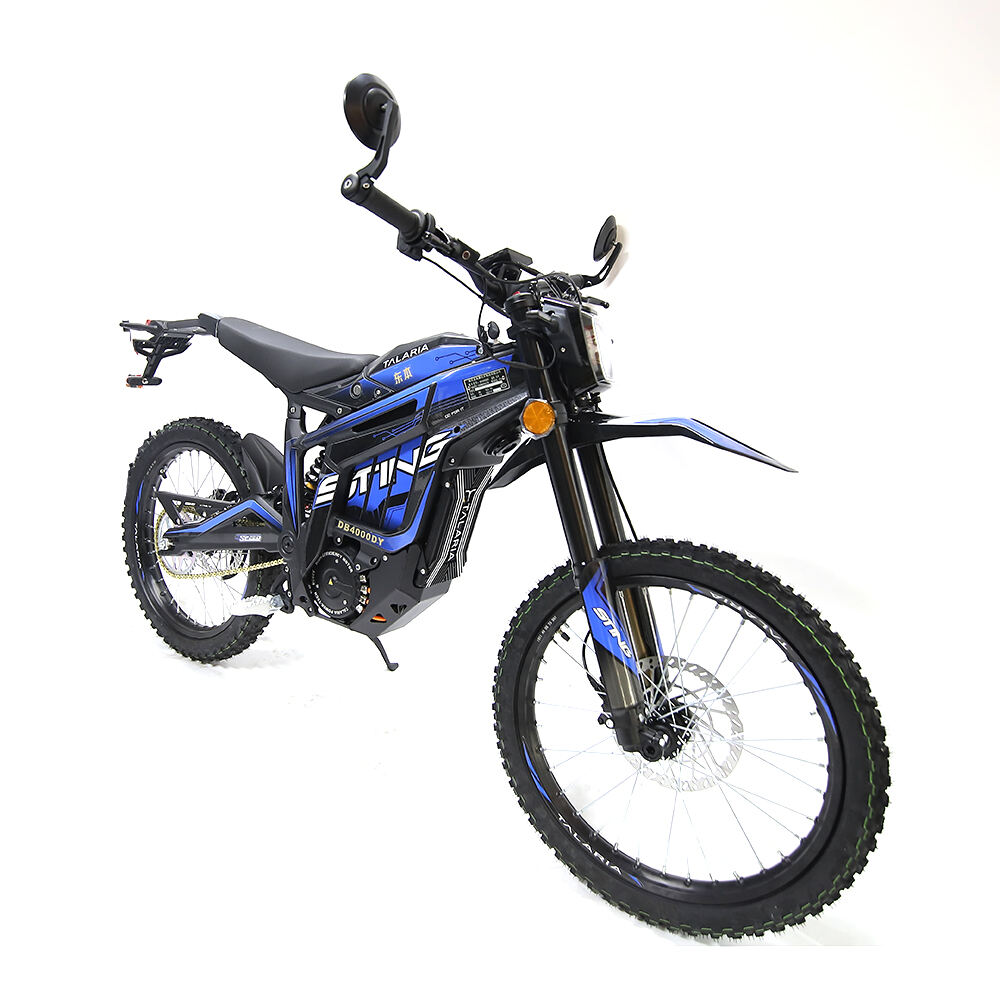
The popularity of electric dirt bikes has surged dramatically in recent years, with the surron electric bike leading the charge as one of the most sought-after models in the off-road motorcycle market. These high-performance electric vehicles have revolutionized how riders experience trail adventures, combining zero-emission technology with impressive power delivery and minimal maintenance requirements. Understanding proper battery maintenance for your surron electric bike is crucial for maximizing performance, extending battery life, and ensuring safe operation during every ride.
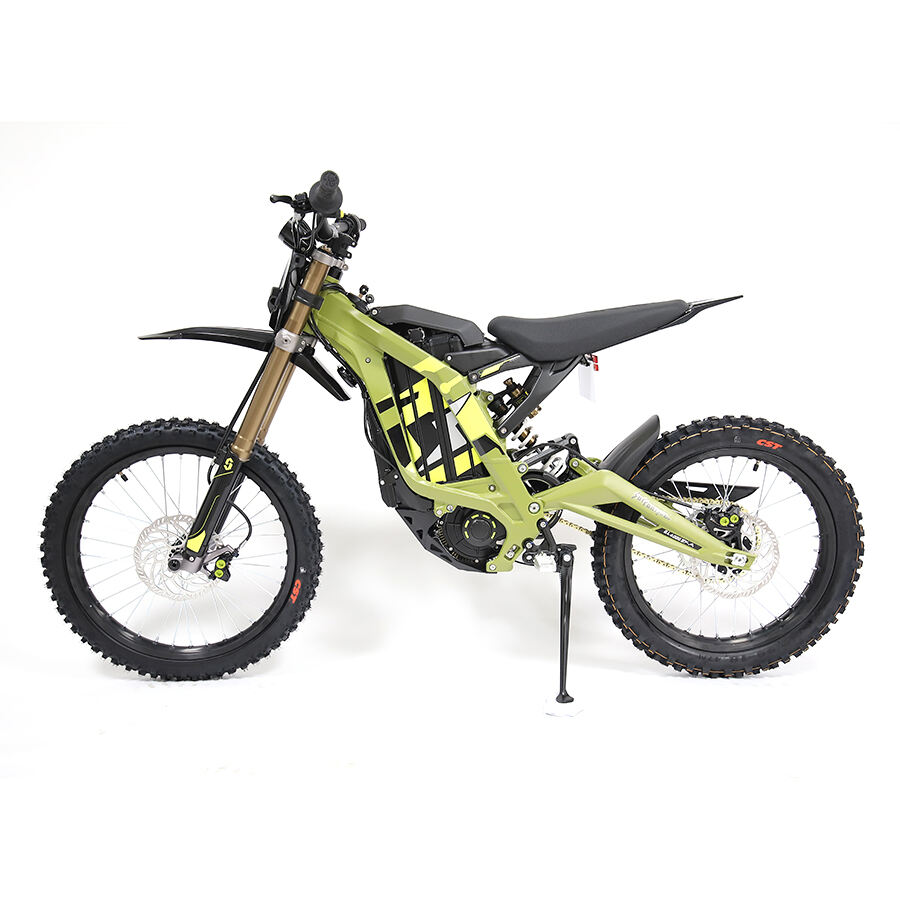
Battery maintenance represents the cornerstone of electric bike ownership, particularly for demanding applications like off-road riding where power consumption varies significantly based on terrain conditions and riding style. The surron electric bike features sophisticated lithium-ion battery technology that requires specific care protocols to maintain optimal performance throughout its operational lifespan. Proper maintenance not only preserves battery capacity but also prevents costly replacements and ensures consistent power delivery during challenging riding conditions.
Electric dirt bike enthusiasts must recognize that battery performance directly impacts every aspect of their riding experience, from acceleration and top speed to range and overall reliability. The advanced battery management systems integrated into modern surron electric bike models provide sophisticated monitoring capabilities, but riders still need to understand fundamental maintenance principles to maximize their investment and enjoy years of reliable performance.
Understanding Your Surron Electric Bike Battery System
Battery Chemistry and Construction
The surron electric bike utilizes advanced lithium-ion battery technology, specifically engineered for high-power applications and demanding off-road conditions. These battery packs typically feature 18650 or 21700 lithium-ion cells arranged in series and parallel configurations to achieve the desired voltage and capacity specifications. The battery chemistry employed in these systems offers excellent energy density, long cycle life, and stable discharge characteristics under varying load conditions.
Understanding the internal construction of your surron electric bike battery helps riders appreciate why specific maintenance procedures are necessary. Each individual cell within the battery pack must maintain balanced voltage levels to ensure optimal performance and prevent premature degradation. The battery management system continuously monitors cell voltages, temperatures, and current flow to protect the battery from potentially damaging conditions while maximizing available power output.
Modern surron electric bike battery packs incorporate sophisticated thermal management systems designed to maintain optimal operating temperatures during high-power discharge cycles. These systems include strategically placed temperature sensors, thermal interface materials, and sometimes active cooling components that work together to prevent overheating and maintain consistent performance across varying ambient conditions.
Battery Management System Functions
The battery management system represents the brain of your surron electric bike power system, continuously monitoring and controlling numerous parameters to ensure safe and efficient operation. This sophisticated electronic system tracks individual cell voltages, pack temperature, current flow, and state of charge while providing protection against overcharging, over-discharging, overcurrent, and thermal runaway conditions.
Advanced battery management systems in surron electric bike models feature cell balancing capabilities that automatically equalize voltage levels across all cells within the battery pack. This balancing function prevents individual cells from becoming overcharged or over-discharged, which can lead to capacity loss and premature battery failure. The system accomplishes this through either passive balancing using resistive circuits or active balancing using energy transfer methods.
Communication protocols integrated into the battery management system allow the surron electric bike controller to receive real-time information about battery status, enabling intelligent power management and providing riders with accurate range estimates and performance feedback. This bidirectional communication ensures optimal power delivery while protecting the battery from potentially damaging operating conditions.
Pre-Ride Battery Inspection Procedures
Visual Inspection Guidelines
Conducting thorough visual inspections before each ride ensures your surron electric bike battery remains in optimal condition and helps identify potential issues before they develop into serious problems. Begin by examining the battery pack exterior for any signs of physical damage, including cracks, dents, swelling, or corrosion around connection points. Any visible damage to the battery housing could indicate internal problems that require immediate attention from qualified technicians.
Inspect all electrical connections, charging ports, and mounting hardware for signs of wear, corrosion, or looseness that could affect battery performance or safety. Pay particular attention to the main power connectors, which handle significant current levels during acceleration and regenerative braking. Clean any corrosion using appropriate contact cleaners and ensure all connections are tight and properly seated.
Check the battery mounting system to verify the pack is securely fastened and properly aligned within the surron electric bike frame. Loose or misaligned battery packs can experience excessive vibration during off-road riding, potentially damaging internal components or creating dangerous electrical connections. Ensure all mounting bolts are tightened to manufacturer specifications and that vibration dampening materials remain in good condition.
Electrical Connection Verification
Proper electrical connections are critical for safe and efficient operation of your surron electric bike battery system. Before each ride, verify that all high-voltage connections are clean, tight, and free from corrosion or damage. Use a multimeter to check voltage levels at key connection points and compare readings to manufacturer specifications to ensure the battery management system is functioning correctly.
Examine the charging port for debris, moisture, or corrosion that could interfere with proper charging operations. Clean the charging port using appropriate solvents and ensure the protective cover is properly installed when not in use. Damaged charging ports can lead to inefficient charging cycles and potentially dangerous electrical conditions during charging operations.
Test the functionality of any battery disconnect switches or emergency shutdown systems integrated into your surron electric bike design. These safety systems must operate correctly to protect riders and equipment in emergency situations. Verify that all indicator lights and display systems are functioning properly and providing accurate battery status information.
Optimal Charging Practices
Charging Frequency and Timing
Establishing proper charging routines significantly impacts the longevity and performance of your surron electric bike battery system. Lithium-ion batteries perform best when maintained within specific state-of-charge ranges, typically between 20% and 80% for daily use. Avoiding complete discharge cycles and limiting time spent at 100% charge helps preserve battery capacity and extends overall service life.
Implement a charging schedule that aligns with your riding patterns while prioritizing battery health over convenience. For riders who use their surron electric bike daily, charging after each ride to approximately 80% capacity provides excellent performance while minimizing stress on the battery cells. Occasional full charges to 100% can help calibrate the battery management system and ensure accurate state-of-charge readings.
Long-term storage requires different charging strategies to maintain battery health during extended periods of inactivity. Store your surron electric bike battery at approximately 50% charge and implement monthly maintenance charging cycles to prevent excessive self-discharge and maintain cell balance. This approach minimizes chemical degradation while ensuring the battery remains ready for use when riding resumes.
Temperature Considerations During Charging
Temperature management during charging operations plays a crucial role in maintaining surron electric bike battery performance and safety. Lithium-ion batteries charge most efficiently within moderate temperature ranges, typically between 32°F and 95°F (0°C to 35°C). Charging outside these temperature ranges can reduce charging efficiency and potentially damage battery cells through thermal stress or lithium plating.
Monitor ambient temperatures in your charging area and relocate the surron electric bike if necessary to maintain optimal charging conditions. Cold temperatures significantly slow chemical reactions within battery cells, extending charging times and reducing capacity. Hot temperatures accelerate aging processes and can trigger thermal protection systems that interrupt charging cycles to prevent damage.
Allow your surron electric bike battery to reach moderate temperatures before initiating charging after extreme temperature exposure. This thermal conditioning period helps ensure uniform cell temperatures and optimal charging performance. Use insulated storage areas or climate-controlled environments when possible to maintain consistent charging conditions throughout seasonal temperature variations.
Storage and Environmental Considerations
Ideal Storage Conditions
Proper storage conditions significantly impact surron electric bike battery longevity and performance retention during periods of non-use. Maintain storage temperatures between 32°F and 77°F (0°C to 25°C) with relative humidity levels below 65% to minimize corrosion and chemical degradation. Extreme temperatures accelerate aging processes and can permanently reduce battery capacity through various degradation mechanisms.
Store your surron electric bike in a clean, dry environment that provides protection from moisture, dust, and temperature fluctuations. Basements, climate-controlled garages, or dedicated storage facilities offer ideal conditions for long-term battery preservation. Avoid storage areas prone to flooding, excessive humidity, or temperature extremes that could damage the battery pack or associated electrical systems.
Implement proper ventilation in storage areas to prevent accumulation of potentially harmful gases and maintain air circulation around the surron electric bike battery pack. While lithium-ion batteries rarely vent gases under normal conditions, proper ventilation provides an additional safety margin and helps maintain consistent environmental conditions throughout the storage period.
Seasonal Preparation Strategies
Seasonal transitions require specific preparation procedures to maintain surron electric bike battery performance and prevent weather-related damage. Before winter storage, thoroughly clean the battery pack exterior and connections to remove salt, mud, and debris that could promote corrosion during extended storage periods. Apply appropriate protective coatings to exposed metal surfaces and ensure all seals remain intact and functional.
Prepare for spring riding season by gradually conditioning the surron electric bike battery through progressive charging and discharging cycles. This conditioning process helps restore full capacity after extended storage and allows the battery management system to recalibrate state-of-charge algorithms. Monitor battery performance during initial spring rides and address any capacity or performance concerns promptly.
Summer preparation focuses on thermal management and protection from excessive heat exposure that can accelerate battery aging. Install sun shades or protective covers when parking outdoors and consider scheduling rides during cooler portions of the day to minimize thermal stress on the surron electric bike battery system. Monitor charging temperatures more closely during hot weather and extend cooling periods between rides if necessary.
Troubleshooting Common Battery Issues
Capacity Loss Diagnosis
Recognizing early signs of battery capacity loss helps surron electric bike owners address performance issues before they become severe enough to require expensive repairs or replacements. Gradual range reduction represents the most common indication of capacity degradation, typically manifesting as shorter riding distances between charging cycles or reduced power output during high-demand situations like hill climbing or acceleration.
Document battery performance metrics regularly to establish baseline measurements and track changes over time. Record range achievements under consistent riding conditions, charging times, and any unusual behavior during operation or charging cycles. This data helps identify patterns that might indicate specific types of battery degradation or system malfunctions requiring professional attention.
Utilize diagnostic tools and software applications designed for surron electric bike battery monitoring to access detailed performance data and system status information. Many modern battery management systems provide extensive diagnostic capabilities through smartphone applications or specialized diagnostic equipment that can reveal cell-level performance issues and system anomalies.
Charging Problem Resolution
Charging system problems can significantly impact surron electric bike usability and battery longevity if not addressed promptly and correctly. Common charging issues include slow charging speeds, incomplete charging cycles, charging interruptions, and complete charging failure. Begin troubleshooting by verifying proper connections between the charger, battery pack, and electrical supply systems.
Test charger output voltage and current using appropriate measuring equipment to ensure the charging system operates within manufacturer specifications. Faulty chargers can damage battery cells through overvoltage conditions or fail to provide adequate charging current for proper cell balancing operations. Replace defective chargers immediately and use only manufacturer-approved charging equipment designed specifically for your surron electric bike model.
Address thermal protection interventions that interrupt charging cycles by improving charging environment conditions and allowing adequate cooling time between riding and charging operations. Overheated batteries require extended cooling periods before charging systems will resume normal operation, and repeated thermal protection activation may indicate underlying system problems requiring professional diagnosis.
Professional Maintenance and Service
When to Seek Professional Help
Recognizing situations that require professional intervention helps surron electric bike owners maintain safety standards while protecting their investment in advanced electric vehicle technology. Any signs of physical battery damage, including swelling, cracks, or fluid leakage, warrant immediate professional evaluation and potential battery replacement. These conditions indicate serious internal problems that pose safety risks and cannot be resolved through standard maintenance procedures.
Electrical system anomalies such as unexpected shutdowns, error codes, or inconsistent power delivery require specialized diagnostic equipment and technical expertise to resolve safely. Professional technicians have access to manufacturer-specific diagnostic tools and technical documentation necessary to identify and correct complex electrical issues that could damage expensive components if improperly addressed.
Schedule annual professional inspections for your surron electric bike battery system to identify potential issues before they develop into serious problems. Qualified technicians can perform comprehensive testing procedures, update software systems, and verify proper operation of safety systems that protect both riders and equipment from hazardous conditions.
Maintenance Service Intervals
Establishing regular maintenance service intervals ensures your surron electric bike battery system receives proper professional attention throughout its operational lifespan. Most manufacturers recommend annual comprehensive inspections that include battery capacity testing, cell balance verification, connection torque checks, and software updates to maintain optimal performance and safety standards.
High-usage applications or severe operating conditions may require more frequent professional service intervals to address accelerated wear patterns and environmental exposure effects. Commercial users, rental operators, or riders who regularly operate in dusty, muddy, or extreme temperature conditions should consider semi-annual service appointments to maintain peak performance and prevent premature component failures.
Coordinate professional maintenance appointments with manufacturer warranty requirements to ensure coverage remains valid throughout the warranty period. Many surron electric bike warranties require documented professional maintenance performed by authorized service centers to maintain coverage for expensive electrical components and battery systems.
FAQ
How often should I charge my surron electric bike battery?
The optimal charging frequency depends on your usage patterns and riding habits. For daily riders, charging after each use to approximately 80% capacity provides excellent performance while maximizing battery longevity. Occasional riders should charge their surron electric bike battery when it reaches 20-30% remaining capacity, avoiding complete discharge cycles whenever possible. Long-term storage requires maintaining approximately 50% charge with monthly maintenance charging to prevent excessive self-discharge.
What temperature range is safe for surron electric bike battery operation?
Surron electric bike batteries operate safely within temperature ranges of approximately 14°F to 140°F (-10°C to 60°C), though performance optimization occurs between 32°F and 95°F (0°C to 35°C). Extreme cold reduces available capacity and power output, while excessive heat accelerates aging processes and can trigger thermal protection systems. Always allow the battery to reach moderate temperatures before charging and avoid extended exposure to temperature extremes.
How can I maximize the lifespan of my surron electric bike battery?
Maximizing battery lifespan requires consistent adherence to proper charging practices, environmental management, and regular maintenance procedures. Maintain charge levels between 20% and 80% for daily use, store at moderate temperatures with approximately 50% charge, and perform monthly maintenance charging during extended storage periods. Regular cleaning of connections, proper mounting verification, and annual professional inspections also contribute significantly to extended battery service life.
What are the warning signs that my surron electric bike battery needs professional attention?
Key warning signs requiring professional evaluation include significant range reduction, physical swelling or damage to the battery pack, unusual heating during charging or operation, persistent error codes, and charging system failures. Any visible fluid leakage, burning odors, or unexpected power shutdowns warrant immediate discontinuation of use and professional diagnosis. Additionally, batteries that fail to hold charge, exhibit rapid voltage drops under load, or show inconsistent performance patterns should receive prompt professional attention to prevent safety hazards and equipment damage.