 EN
EN

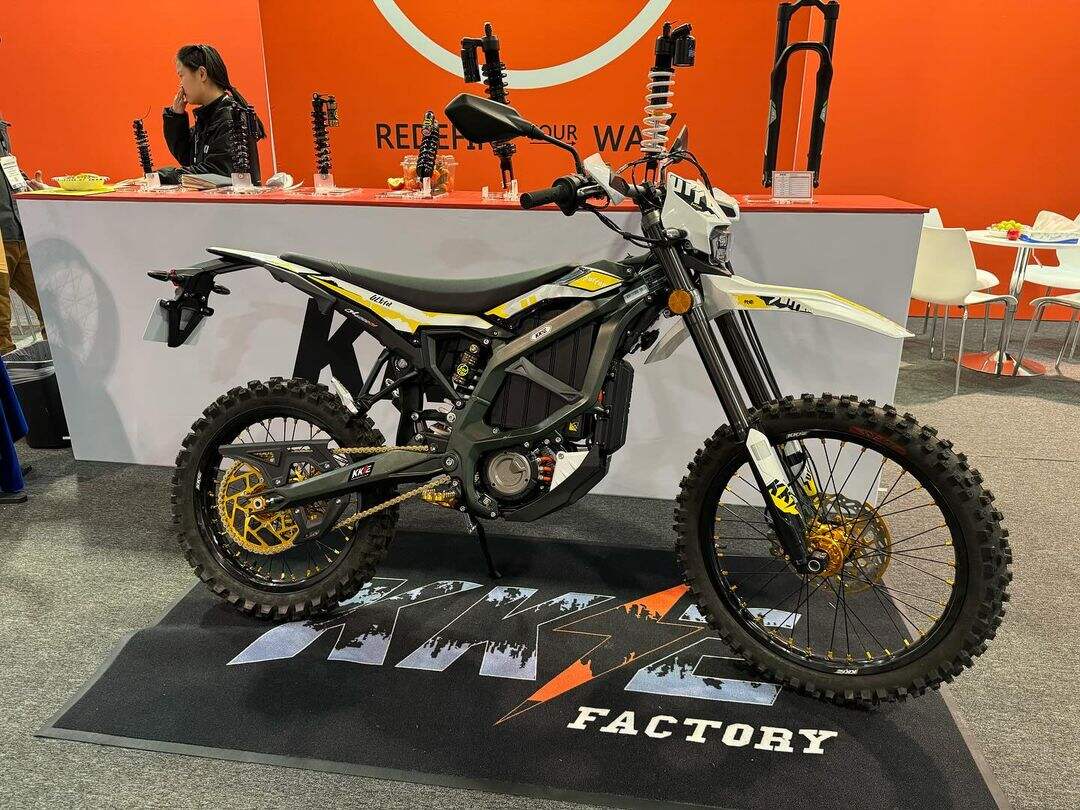
The growing demand for sustainable recreational vehicles has positioned the electric dirtbike as a revolutionary solution for off-road enthusiasts. Traditional gas-powered dirt bikes, while powerful and exciting, generate significant noise pollution that can disturb wildlife habitats, residential areas, and protected natural spaces. An electric dirtbike offers the same thrilling experience while operating with minimal acoustic impact, making it an ideal choice for riders who want to enjoy outdoor adventures without compromising environmental harmony or community relations.
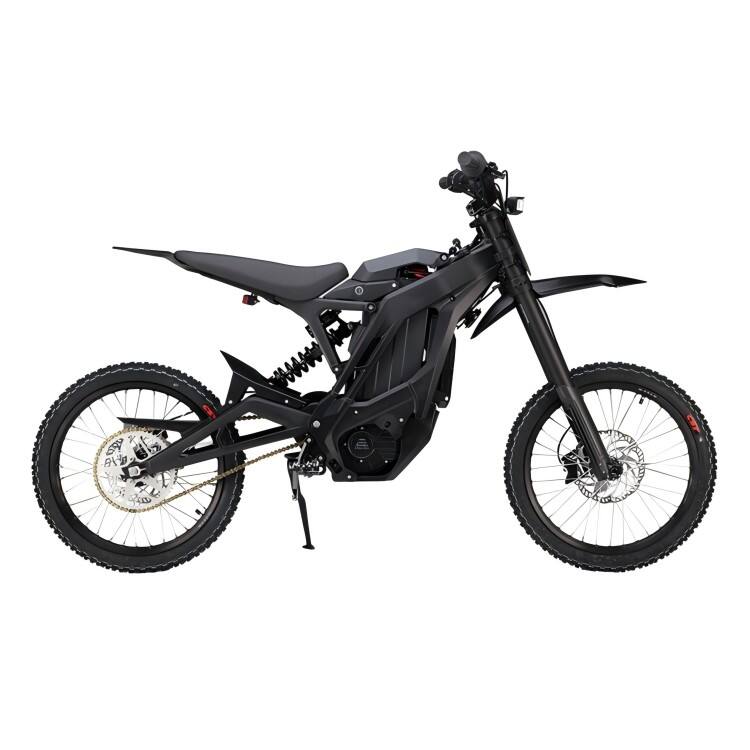
Understanding Noise-Sensitive Riding Environments
Residential and Suburban Areas
Many off-road enthusiasts live near suburban communities where traditional motorcycles can create significant disturbances. The electric dirtbike operates at sound levels typically ranging from 60-70 decibels, comparable to normal conversation, compared to gas-powered bikes that often exceed 90-100 decibels. This dramatic reduction in noise pollution allows riders to practice and enjoy their hobby without creating conflicts with neighbors or violating local noise ordinances that commonly restrict loud recreational vehicles during certain hours.
Suburban riding areas often have complex regulations regarding motorized vehicle use, particularly during early morning or evening hours. The quiet operation of an electric dirtbike enables riders to extend their riding windows and access trails that might otherwise be off-limits due to noise restrictions. This flexibility proves invaluable for working professionals who can only ride outside traditional daytime hours.
Protected Natural Reserves and Parks
National parks, state forests, and wildlife preserves increasingly restrict or ban gas-powered recreational vehicles due to their environmental impact, including noise pollution that disrupts animal behavior patterns. An electric dirtbike provides access to these pristine environments while respecting conservation efforts and wildlife protection protocols. Many park systems are beginning to recognize electric vehicles as environmentally responsible alternatives that align with their sustainability missions.
The reduced acoustic footprint of electric dirtbike technology allows riders to observe wildlife more naturally, as animals are less likely to be startled or displaced by the quiet motor operation. This creates unique opportunities for nature photography, wildlife observation, and educational experiences that would be impossible with louder traditional motorcycles. Rangers and park officials often view electric vehicle users more favorably due to their demonstrated environmental consciousness.
Technical Advantages of Electric Dirtbike Technology
Motor Efficiency and Sound Engineering
The fundamental design of electric motors contributes significantly to the quiet operation that makes an electric dirtbike suitable for sensitive environments. Unlike internal combustion engines that create noise through explosive fuel combustion, gear meshes, and exhaust systems, electric motors generate power through electromagnetic field interactions that produce minimal acoustic emissions. Advanced motor controllers and power management systems further optimize sound reduction through sophisticated algorithms that minimize electrical noise and vibration.
Modern electric dirtbike models incorporate sound dampening technologies such as motor housing insulation, vibration-absorbing mounting systems, and aerodynamic fairings that reduce wind noise at higher speeds. These engineering innovations ensure that the primary sound signatures come from tire contact with terrain rather than mechanical operation, creating a more natural riding experience that blends harmoniously with outdoor environments.
Battery Technology and Performance Balance
Contemporary lithium-ion battery systems in electric dirtbike applications deliver substantial power output while maintaining whisper-quiet operation throughout the entire charge cycle. Unlike gas engines that vary in noise output based on RPM and load conditions, electric systems provide consistent sound levels regardless of power demands. This predictable acoustic performance allows riders to plan activities around noise-sensitive situations with confidence.
The regenerative braking capabilities found in quality electric dirtbike systems actually contribute to noise reduction by reducing dependence on traditional friction braking systems that can create squealing or grinding sounds. This technology extends riding range while maintaining the quiet operation that makes these vehicles appropriate for sensitive environments.
Environmental and Community Benefits
Wildlife Preservation and Habitat Protection
Research consistently demonstrates that excessive noise pollution from recreational vehicles can cause chronic stress in wildlife populations, disrupt mating behaviors, and force animals to abandon preferred habitats. The electric dirtbike addresses these concerns by operating within sound levels that fall below the threshold for significant wildlife disturbance, allowing recreational activities to coexist with conservation efforts.
Bird populations, which are particularly sensitive to acoustic disruption during nesting seasons, show measurably less stress response to quiet electric vehicles compared to traditional gas-powered alternatives. This reduced impact enables responsible riders to enjoy trail systems throughout the year, including during critical breeding periods when loud vehicles would typically be prohibited or heavily restricted.
Community Relations and Access Expansion
The adoption of electric dirtbike technology often leads to improved relationships between riding communities and local stakeholders, including residents, environmental groups, and land management agencies. The demonstrated commitment to noise reduction signals environmental responsibility and community consideration, often resulting in expanded access to previously restricted areas and longer permitted riding hours.
Many municipalities and private landowners are more willing to accommodate electric dirtbike activities due to the reduced complaints and conflict potential associated with quiet operation. This expanding acceptance creates new opportunities for organized riding events, training programs, and recreational facility development that would face significant opposition if traditional loud motorcycles were involved.
Practical Applications and Use Cases
Professional Training and Instruction
Riding schools and professional training facilities increasingly recognize the advantages of electric dirtbike platforms for instruction purposes. The quiet operation allows instructors to communicate effectively with students without shouting over engine noise, improving safety outcomes and learning effectiveness. Students can focus on technique development and safety protocols without the distraction and fatigue associated with prolonged exposure to loud engine noise.
Training facilities located near residential areas can extend operating hours and offer more flexible scheduling when using electric dirtbike fleets. This operational flexibility translates to increased revenue potential and better service offerings for customers who may have work or family commitments that limit their availability during traditional daytime hours when noise restrictions are less stringent.
Therapeutic and Adaptive Riding Programs
Healthcare facilities and therapeutic riding programs benefit significantly from electric dirtbike technology due to the reduced sensory overload compared to gas-powered alternatives. Patients with sensory processing disorders, autism spectrum conditions, or anxiety disorders often find the quiet operation less overwhelming and more conducive to therapeutic goals. The smooth power delivery and consistent operation characteristics also provide better control options for adaptive riding applications.
Veterans' therapy programs and physical rehabilitation facilities can utilize electric dirtbike platforms in settings where traditional motorcycles would be prohibited due to noise concerns. This expands treatment options and recreational therapy opportunities while maintaining compliance with healthcare facility noise standards and patient comfort requirements.
Economic Considerations and Cost Benefits
Operational Cost Advantages
The total cost of ownership for an electric dirtbike typically proves favorable compared to gas-powered alternatives when factoring in fuel, maintenance, and operational expenses. Electric systems require minimal routine maintenance since they lack complex mechanical components like carburetors, oil systems, air filters, and exhaust components that require regular service and replacement in traditional motorcycles.
Electricity costs for charging represent a fraction of gasoline expenses, particularly when utilizing off-peak charging rates or renewable energy sources. Many electric dirtbike owners report operational costs that are 60-80% lower than equivalent gas-powered vehicles over typical ownership periods, making the technology financially attractive beyond its environmental benefits.
Regulatory Compliance and Insurance Benefits
Insurance companies increasingly offer premium discounts for electric recreational vehicles due to their lower risk profiles and reduced environmental liability exposure. The quiet operation of electric dirtbike systems reduces the likelihood of noise-related complaints and legal issues that can affect insurance claims and coverage costs. Additionally, compliance with evolving emissions regulations becomes automatic with electric technology, avoiding potential future retrofit costs or usage restrictions.
Many jurisdictions offer tax incentives, rebates, or reduced registration fees for electric vehicles, including recreational motorcycles and off-road vehicles. These financial benefits can significantly offset initial purchase costs while supporting broader environmental policy objectives that encourage sustainable transportation adoption across all vehicle categories.
Future Developments and Technology Trends
Advanced Battery and Charging Technologies
Emerging battery technologies promise to extend electric dirtbike range and performance while maintaining the quiet operation characteristics that make them suitable for sensitive environments. Solid-state batteries, graphene-enhanced systems, and improved energy density formulations will enable longer riding sessions and faster charging cycles, addressing the primary limitations that some riders associate with current electric platforms.
Wireless charging systems and solar-powered charging stations are becoming viable options for remote riding areas, enabling sustainable energy loops that completely eliminate fossil fuel dependence. These developments will further enhance the appeal of electric dirtbike technology for environmentally conscious riders and expand access to remote locations where traditional fuel supplies might be limited or prohibited.
Integration with Smart Technology and Environmental Monitoring
Next-generation electric dirtbike systems incorporate GPS tracking, environmental sensors, and connectivity features that can monitor and report environmental impact metrics in real-time. These smart technologies enable riders to document their minimal ecological footprint while providing data for land management agencies to make informed decisions about recreational vehicle access and usage policies.
Integration with smartphone applications and cloud-based platforms allows electric dirtbike users to share trail conditions, coordinate group rides, and participate in citizen science initiatives that contribute to environmental monitoring and conservation efforts. This technological convergence positions electric recreational vehicles as tools for environmental stewardship rather than sources of ecological concern.
FAQ
What is the typical noise level of an electric dirtbike compared to gas-powered models?
An electric dirtbike typically operates at 60-70 decibels, which is comparable to normal conversation levels, while gas-powered dirt bikes often exceed 90-100 decibels. This significant reduction in noise pollution makes electric models suitable for use in residential areas, wildlife habitats, and other noise-sensitive environments where traditional motorcycles would be disruptive or prohibited.
Can electric dirtbikes provide sufficient power for serious off-road riding?
Modern electric dirtbike technology delivers impressive torque and power output that often exceeds gas-powered equivalents, particularly in low-end acceleration where electric motors excel. High-performance models can provide 12000W of power or more, offering excellent climbing ability, acceleration, and overall performance while maintaining whisper-quiet operation throughout all power levels and riding conditions.
How do charging requirements affect riding in remote locations?
Current electric dirtbike models typically offer 40-80 miles of range depending on terrain and riding style, which covers most day-trip scenarios. Portable charging solutions, solar panels, and emerging fast-charging technologies are expanding options for extended remote adventures. Many riders find that the quiet operation opens access to previously restricted areas, compensating for any range limitations with new riding opportunities.
Are there specific regulations or incentives for electric dirtbikes in noise-sensitive areas?
Many jurisdictions offer expanded access, extended riding hours, and reduced restrictions for electric recreational vehicles due to their minimal noise impact. Some areas provide tax incentives, rebates, or reduced permit fees for electric vehicle users. Additionally, private landowners and park systems increasingly welcome electric dirtbike users while restricting or banning gas-powered alternatives, creating unique access opportunities for electric vehicle enthusiasts.
Table of Contents
- Understanding Noise-Sensitive Riding Environments
- Technical Advantages of Electric Dirtbike Technology
- Environmental and Community Benefits
- Practical Applications and Use Cases
- Economic Considerations and Cost Benefits
- Future Developments and Technology Trends
-
FAQ
- What is the typical noise level of an electric dirtbike compared to gas-powered models?
- Can electric dirtbikes provide sufficient power for serious off-road riding?
- How do charging requirements affect riding in remote locations?
- Are there specific regulations or incentives for electric dirtbikes in noise-sensitive areas?